
Beloved, gaze in thine own heart,
The holy tree is growing there
W.B. Yeats, Irish Poet, The Two Trees
Happy Saint Patrick’s Day
Beloved, gaze in thine own heart,
The holy tree is growing there
W.B. Yeats, Irish Poet, The Two Trees
Happy Saint Patrick’s Day
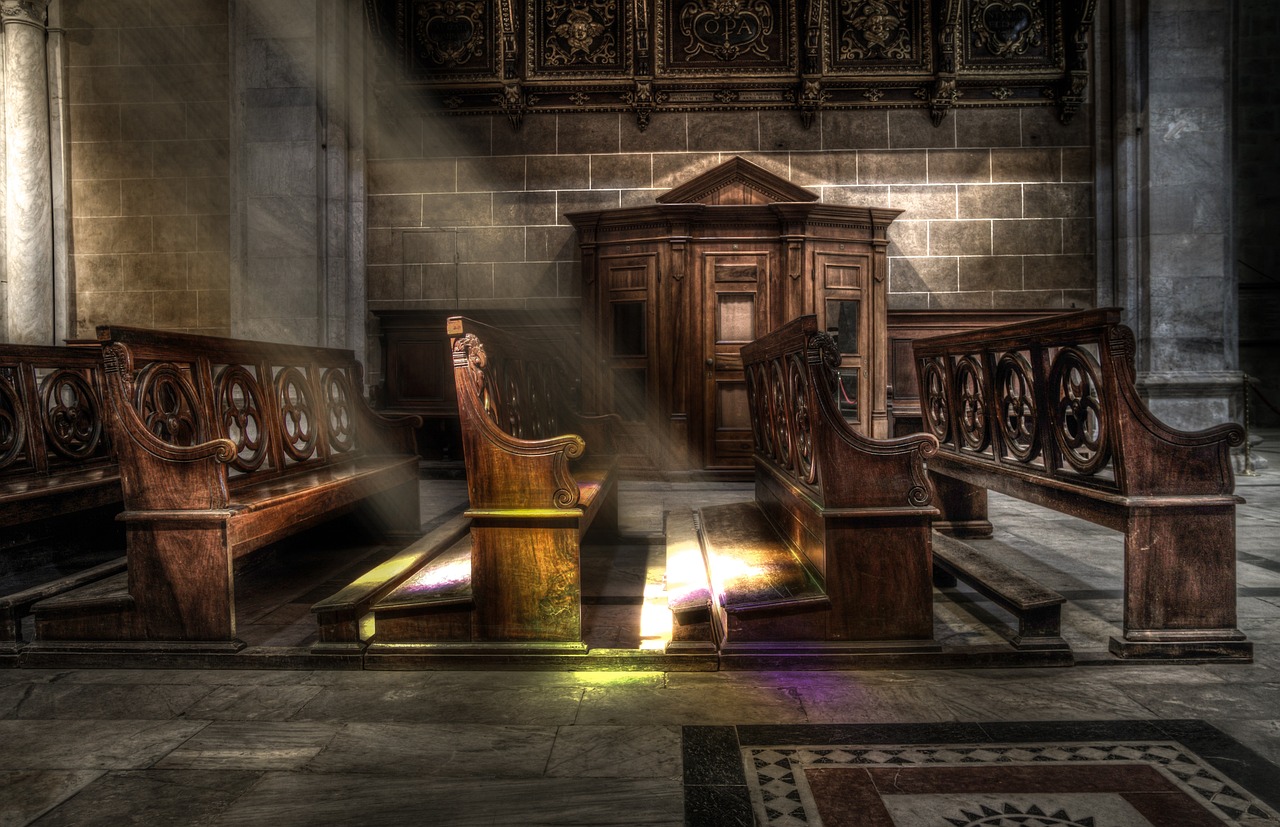
In the Middle Ages, anyone could gain protection from other people – even the legal authorities – by simply running into a sacred building and saying the word “Sanctuary!” This ritual triggered a system of safety respected by everyone in the society.
Simple rituals like saying “Sanctuary!” signal to our bodies and minds that we’ve entered a sacred recovery space. By creating your own small rituals, you can teach your mind and body to drop into this healing state.
Once you have a place, a time, and a ritual, you can touch in with the peaceful energy of sanctuary any time you feel especially vulnerable. We can all recover a bit of peace, confidence, and hope whenever we need it. The door inside us – the state of mind that leads to peace – is real. It opens to an infinite sacred space in our own hearts, minds, and souls. And that is real as well. If we go there and ask for sanctuary, we can always find it. Little by little, breath by breath, our spirits can recover from anything.
Martha Beck Blog, How to seek sanctuary in a Time of Chaos
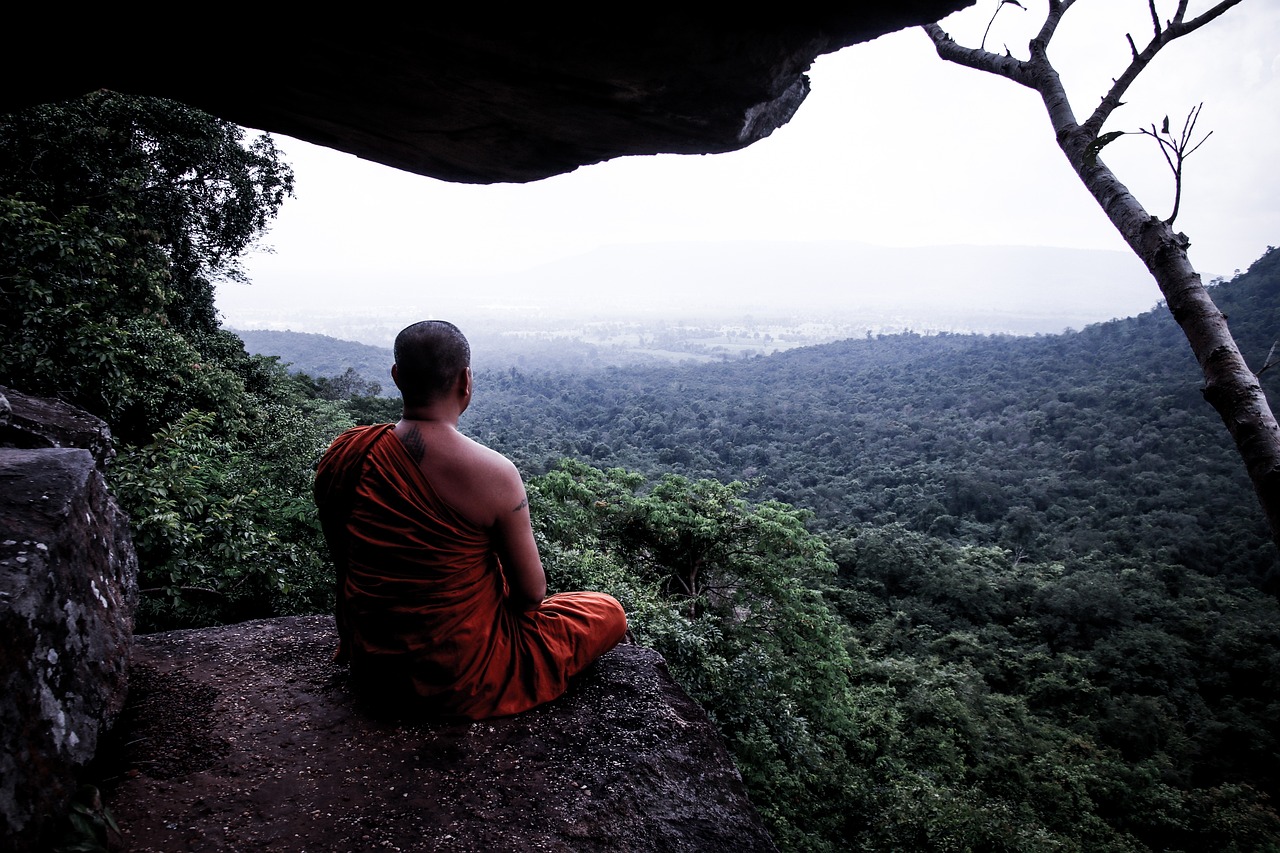
Some people think that it always takes time
for the mind to arrive in the space of silence.
How about simply dropping this idea,
simply feeling how you are sitting right now,
in contact with the ground and thus with the earth
in this earth contact that knows neither here nor there.
Simply letting yourself feel how you are sitting right now
in contact with the space above your head and thus with the sky
in this sky contact which knows neither yesterday not today.
Silvia Ostertag, It Takes No Time [extract]
A new month begins….
We are daily forced to choose between depression and anxiety. Depression results from the wounding of the individuation imperative; anxiety results from moving forward into the unknown.
That path of anxiety is necessary because therein lies the hope of the person to more nearly become an individual. My analyst once said to me, “You must make your fears your agenda.” When we do take on that agenda, for all the anxiety engendered, we feel better because we know we are living in ‘bonne foi’ [good faith] with ourselves.
Courage is not the absence of fear. It is the perception that some things are more important to us than what we fear.
James Hollis, Jungian Analyst, Swamplands of the Soul: New Life in Dismal Places
You must decide for yourself to whom and when you give access to your interior life. For years you have permitted others to walk in and out of your life according to their needs and desires. Thus you were no longer master in your own house, and you felt increasingly used. So, too, you quickly became tired, irritated, angry, and resentful.
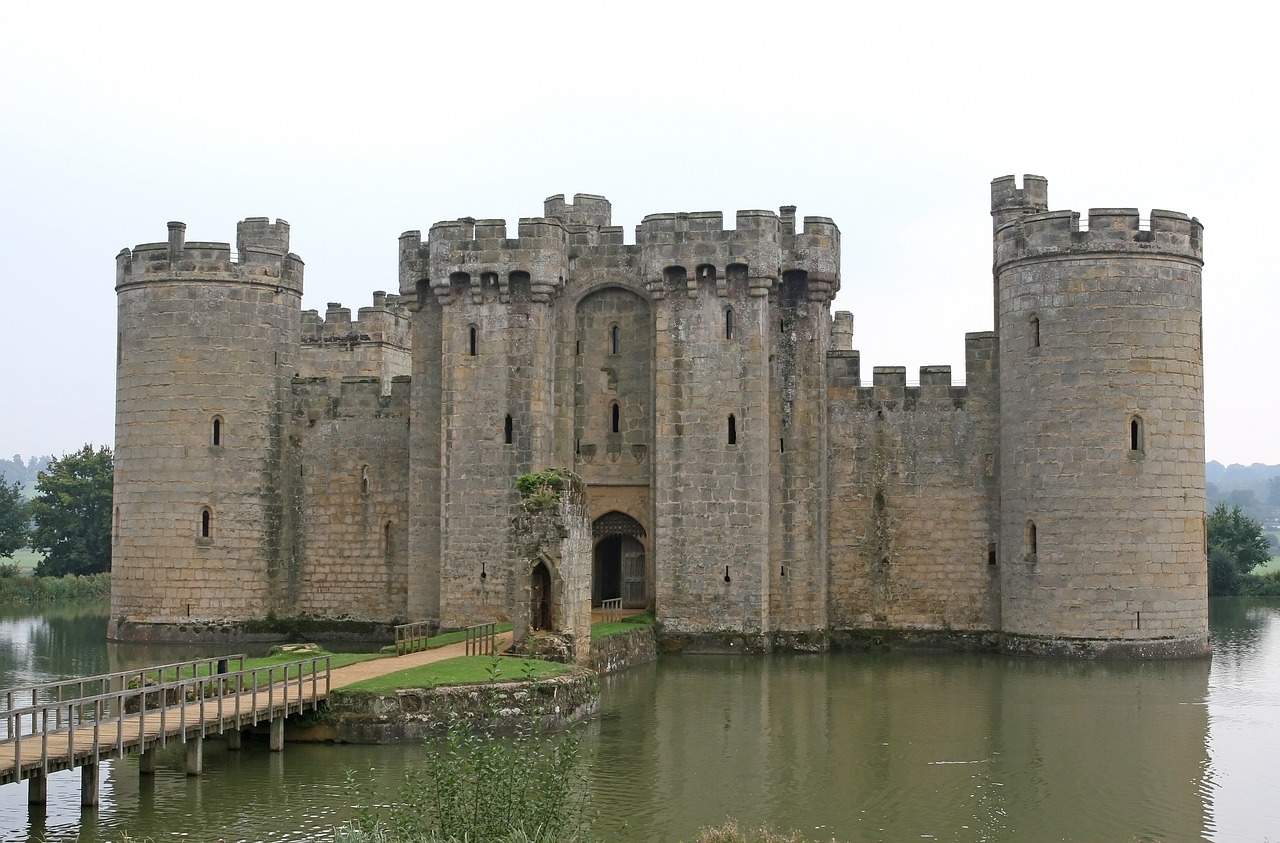
Think of a medieval castle surrounded by a moat. The drawbridge is the only access to the interior of the castle. The lord of the castle must have the power to decide when to draw the bridge and when to let it down. Without such power, he can become the victim of enemies, strangers, and wanderers. He will never feel at peace in his own castle.
It is important for you to control your own drawbridge. There must be times when you keep your bridge drawn and have the opportunity to be alone or only with those to whom you feel close. Never allow yourself to become public property, where anyone can walk in and out at will. You might think that you are being generous in giving access to anyone who wants to enter or leave, but you will soon find yourself losing your soul.
Henri Nouwen, The Inner Voice of Love

For years and years I struggled
just to love my life. And then
the butterfly
rose, weightless, in the wind.
“don’t love your life
too much,” it said,
and vanished into the world.
Mary Oliver, One or Two Things
 Mindfulbalance