
People are in every way prevented from getting inside themselves.
Our greatest problem is a fear of depth
Thomas Merton
photo anjali.verma999
People are in every way prevented from getting inside themselves.
Our greatest problem is a fear of depth
Thomas Merton
photo anjali.verma999

Our entire life has been training. The question is: training in what? This question means: training in which direction? If we train ourselves to reach for a snack or pick up the phone to text-message whenever we feel frightened or bored, this is definitely training. The next time we feel uncomfortable we will also tend to reach for some comfort outside ourselves, eventually establishing a deeply ingrained habit, another brick in the wall of our mental prison. Are we training in how to distract ourselves from inner discomfort or anxiety? Are we training in numbing ourselves in the face of fear, or training in waking up? Training in opening the heart, or training in shutting down?
Gaylon Ferguson, Fruitless Labor
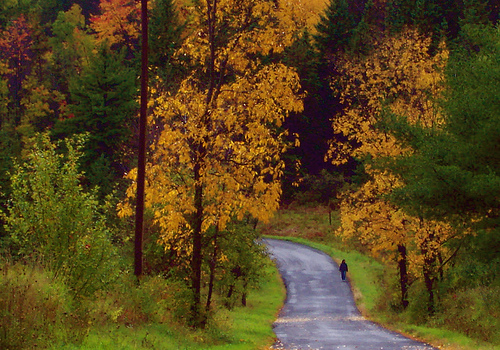
We are a “first-half-of-life-culture”, largely concerned with surviving successfully. We all try to do what seems like the task that life first hands to us: establishing an identity, a home, relationships, a family, community, security and building a proper platform for our only life. But it takes us much longer to discover “the task within the task” as I like to call it: what we are really doing when we are doing what we are doing.
Richard Rohr, Falling Upward.

Our life’s work is to use what we have been given to wake up. If there were two people who were exactly the same – same body, same speech, same mind, same mother, same father, same house, same food, everything the same – one of them could use what he has to wake up, and the other could use it to become more resentful, more bitter, and sour….whatever you’re given can wake you up or put you to sleep. That’s the challenge of now: what are you going to do with what you have already – your body, your speech, your mind.
Pema Chodron, The Wisdom of No Escape

Yesterday was a long rainy day here in Ireland and a sense of autumn approaching has settled into the days. So I will post for the next few days some reflections on maturing and deepening, and the meaning of fruitfulness in life, as opposed to just indicators of “success”.
The central paradox of our current feel-good culture is that we grow progressively more and more uncertain and less and less persuaded that our lives really mean something. Feeling good is a poor measure of a life, but living meaningfully is a good one, for then we are living a developmental rather than regressive agenda. We never get it all worked out anyway. Life is ragged, and truth is still more raggedy. The ego will do whatever it can to make itself more comfortable; but the soul is about wholeness, and this fact makes the ego even more uncomfortable. Wholeness is not about comfort, or goodness, or consensus — it means drinking this brief, unique, deeply rooted vintage to its dregs.
James Hollis, Finding Meaning in the Second Half of LIfe
photo Scmtb49

Look at every path closely and deliberately. Try it as many times as you think necessary. Then ask yourself and yourself alone one question. This question is one that only a very old man asks. My benefactor told me about it once when I was Young. And my blood was too vigorous for me to understand it. Now I do understand it. I will tell you what it is: “Does this path have a heart? If it does, the path is good. If it doesn’t, it is of no use.”
Carlos Casteneda.

