
Happiness is like a butterfly:
the more you chase it, the more it will elude you.
But if you turn your attention to other things,
it will come and sit softly on your shoulder
Thoreau
Happiness is like a butterfly:
the more you chase it, the more it will elude you.
But if you turn your attention to other things,
it will come and sit softly on your shoulder
Thoreau
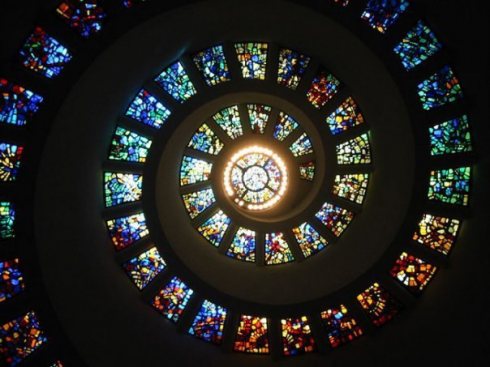 The quality in our life is related to where we place our attention. We go of all the things that are cluttering our minds, and free up space and time to live each moment and each encounter with others more fully. This is true for each moment, but also sets the tone for the values which we choose, the direction we are going.
For where your treasure is, there your heart will be also.
Matthew 6:21
What is important is not what someone is
but what they are waiting for.
Not the events of life, but its possibilities.
Dorothee Solle

Mindfulness means paying attention in a particular way
— on purpose, in the present moment,
and without judgment.
Jon Kabat Zinn
 Normally, fantasies are spinning out , one after another, usually about being someplace else or being different from what we are right now. What about a moment of stopping and checking whether this is going on right now? Simply waking up this moment to what is taking place right now, opening up to……nothing special. Just wind blowing, windows rattling, birds calling, breath flowing in and out, bright sunlight flowing through the shades making patterns on the floor. When that happens it is clear that no wishing has brought it about! Being here and now in unadorned simplicity is our true state – whole and inseparable from anything else.
Toni Parker, The Silent Question
 As other posts this week have already discussed, true human development comes from relaxing with, accepting and integrating aspects of our personality that make us fearful and insecure. As Jung said, our journey in life is not towards some kind of perfection, but towards wholeness.
If it comes to a neurosis, we invariably have to deal with a considerably intensified shadow.
And if such a person wants to be cured it is necessary to find a way
in which his conscious personality and his shadow can live together.
Jung
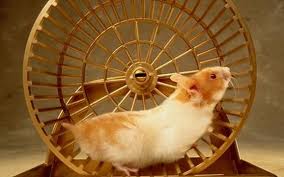
Understanding how our emotions have the power to run us around in circles helps us discover how we increase our pain, how we cause harm to ourselves. Because of mindfulness we see things when they arise…we can stop harming ourselves and harming others. We don’t buy into the chain reaction that makes things grow from minute to expansive – we leave things minute.
Pema Chodron

