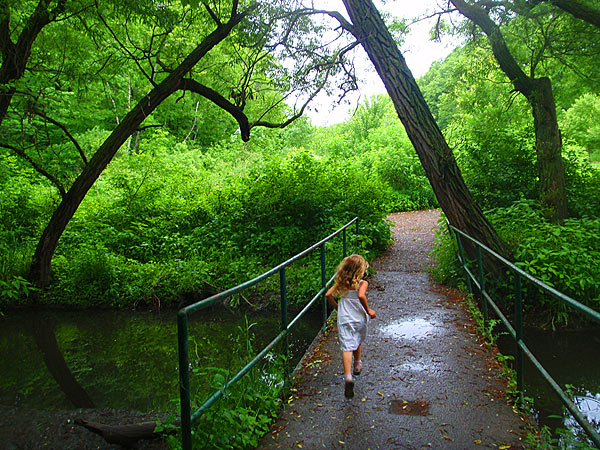
Mindfulness is simply being who you are

The complete teaching …… is how to rediscover who we are. We are continuously distracted from coming to our natural state, our natural being. Throughout our day everything pulls us away from natural mindfulness, from being on the spot. We’re either too scared or too embarrassed or too proud, or just too crazy, to be who we are. This is what we call the journey or the path: continuously trying to recognize that we can actually relax and be who we are. 

So practicing meditation begins by simplifying everything. We sit on the cushion, follow our breath and watch our thoughts. We simplify our whole situation. What we’re doing is taming our mind. We’re trying to overcome all sorts of anxieties and agitation, all sorts of habitual thought patterns, so we are able to sit with ourselves. Life is difficult, we may have tremendous responsibilities, but the odd thing, the twisted logic, is that the way we relate to the basic flow of our life is to sit completely still. It might seem more logical to speed up, but here we are reducing everything to a very basic level.

Sakyong Mipham Rinpoche
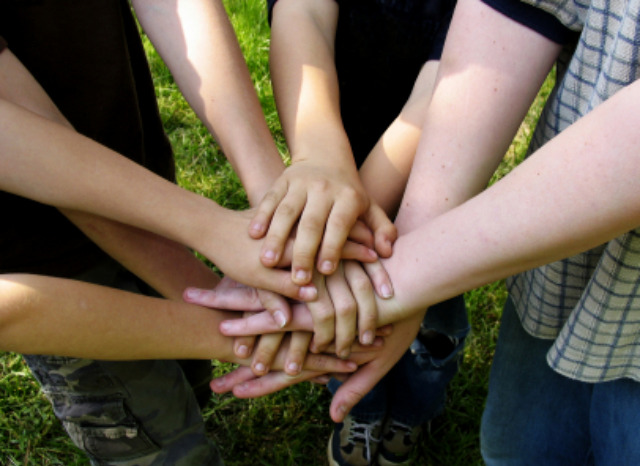
Accepting yourself as you are….

Both our upbringing and our culture provide the immediate breeding ground for this contemporary epidemic of feeling deficient and unworthy. Many of us have grown up with parents who gave us messages about where we fell short and how we should be different from the way we are. We were told to be special, to look a certain way, to act a certain way, to work harder, to win, to succeed, to make a difference, and not to be too demanding, shy or loud. An indirect but insidious message for many has been “Don’t be needy.” Because our culture so values independence, self-reliance and strength, even the word “needy” evokes shame. To be considered as needy is utterly demeaning, contemptible. And yet, we all have needs – physical, sexual, emotional, spiritual.  So the basic message is, “Your natural way of being is not okay. To be acceptable you must be different from the way you are.”

Tara Brach

Running away from parts of ourselves

If there are whole parts of yourself that you are always running from, that you even feel justified in running from, then you’re going to run from anything that brings you into contact with your feelings of insecurity. Have you noticed how often these parts of ourselves get touched? The closer you get to a situation or a person, the more these feelings arise. Often when you’re in a relationship it starts off great, but when it gets intimate and begins to bring out your neurosis, you just want to get out of there.

So I’m here to tell you that the path to peace is right there, when you want to get away. You can cruise through life not letting anything touch you, but if you really want to live fully, if you want to enter into life, enter into genuine relationships with other people, with animals, with the world situation, you’re definitely going to have the experience of feeling provoked, of getting hooked. You’re not just going to feel bliss. The message is that when those feelings emerge, this is not a failure. This is the chance to cultivate unconditional friendliness toward your perfect and imperfect self.

Pema Chodron

Being courageous today

Courage is like –  it’s a habitus, a habit, a virtue:

you get it by courageous acts.

It’s like you learn to swim by swimming.

You learn courage by couraging.

Mary Daly

Relationships as one way

When we have achieved the stature of solitude, namely achieving a conscious relationship with ourselves, then we are freer to share with others, freer to receive their gifts in return and not be infantalized by the mutual archaic agenda of childhood, the agenda that covertly uses the other to provide for us….Intimate relationship, when it is in service of the summons of the soul, is only one of the many engagements we have with the mystery. Relying on it to replace the many other realms we, as spiritual beings, are meant to travel will not only burden the other with our unlived life, but will keep us from the appointment which the soul consistently solicits for us.

James Hollis, Finding Meaning in the Second Half of Life

What matters

Each morning we are born again.

What we do today

is what matters most


Buddha