
The past is already past — don’t try to regain it.
The present does not stay, don’t try to touch it from moment to moment.
The future is not come, don’t think about it beforehand.
Layman Pang, 740 – 808, Chinese Chan layman.
The past is already past — don’t try to regain it.
The present does not stay, don’t try to touch it from moment to moment.
The future is not come, don’t think about it beforehand.
Layman Pang, 740 – 808, Chinese Chan layman.
So far, the days keep coming.
Seize the day gently as if you loved her
Jim Harrison, 1937 – 2016, American poet and writer

We bundle up but trees go naked in winter.
Diane Ackerman, American poet and essayist
Harry Roberts was one of my teachers when I lived at the San Francisco Zen Center’s Green Gulch Farm. Harry liked to boil almost any instruction down to 3 essential tasks:
The first, and not necessarily most important task, is to quiet the busyness in your mind.
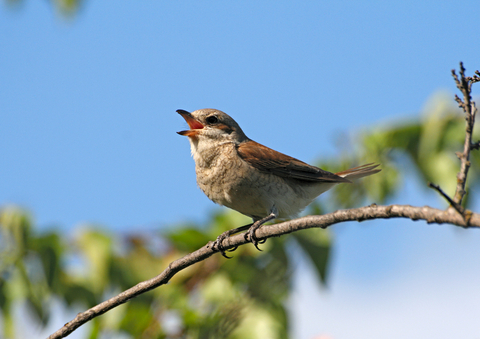
The second is to find your song.
The third is to sing that song.
Finding your song describes your ability to access your deep power — which is your appreciation for being alive. This embraces both who you are and all that you have right now as well as the greater possibilities you imagine and envision for the future. We can hear our song more easily when our minds are quiet, when we can reflect on what is truly engaging and important to us — what brings us the greatest sense of belonging and of accomplishment. Finding our song means discovering our fierce and tender heart, where we feel deeply connected to all that surrounds us.
Mark Lesser, 3 Practices for Simplifying Your Life
The emotions that sting most, are those that are absurd: longing for impossible things, precisely because they are impossible; nostalgia for what never was; the desire for what could have been; regret over not being someone else; dissatisfaction with the world’s existence.
Fernando Pessoa, Portuguese poet, writer and philosopher, The Book of Disquiet

Freedom from form means holding forms lightly in the midst of form.
Freedom from thought means having no thought in the midst of thought.
Huineng, 638–713, Sixth Patriarch of Zen
 Mindfulbalance