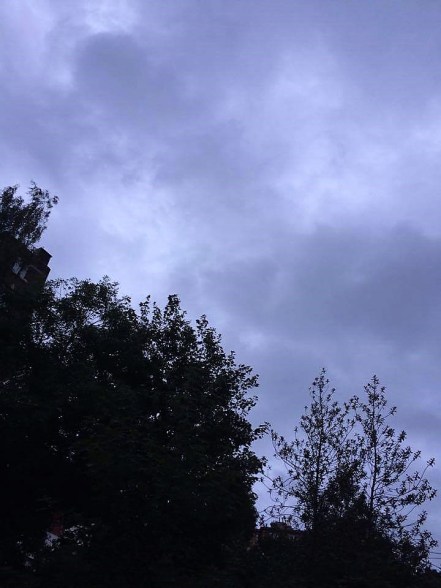
In face of our fears

If we realize that our greatest enemy is fear

and what it does to us,  and how much it launches these automatic protective programs, 

then we realize that there’s a kind of daily summons to stand up in face of our fears

and risk being who we are and risk potential loss of our comfort zones

and the consensual approval that every child needs, 

but which becomes a kind of constrictive burden for the adult

James Hollis  

A good attitude for the week

If you don’t like something, change it.

If you can’t change it, change your attitude.

Don’t complain.

Maya Angelou

Not listening to outside voices


Childhood events and interactions can cause wounds which manifest later in the form of an inner  critic, making us feel smaller when faced with stressful situations. It is good to practice resting in our inner innate goodness – the light that comes from within – and not give other persons power over our moods or thoughts.

The object of this learning
is to remove outside authority
from your inner life.
Eliminate the old habit of
listening to others about your
own comfort and convenience

Moshe Feldenkrais

Sunday Quote: The truth deep down


Your up and down emotions are like clouds in the sky;

beyond them, the real, basic human nature is clear and pure.

Lama Zopa Rinpoche

Practices that stretch us


There is nothing I dislike

Linji, died 866, founder of the Rinzai school of Zen

In Zen,  koans or phrases such as this are taken on and allowed sink into consciousness to challenge and stretch us and provoke responses other than our habitual ones. Two commentaries by different authors might be useful:

What does that mean, to dislike? Dislike could mean that you are feeling a strain between how things really are and your story about how things are.

John Tarrant, Bring me the Rhinoceros (and other koans to bring you joy).

‘There is nothing I dislike’ rearranges us profoundly, when we offer ourselves to its energy, its scrutiny, its disturbance in us. This practice is not about tidying up the world and making it clean and bright; it’s about recognizing the world as it is and finding right there the radical freedom of being. The alternative is a kind of carefully scaled-down life. One that is still extravagantly rich in detail and variety and shot through with beauty despite all our efforts, since we live on the blue-green planet, but a scaled-down view of what it was we really wanted while we were here, so very briefly.

Susan Murphy, Upside-Down Zen
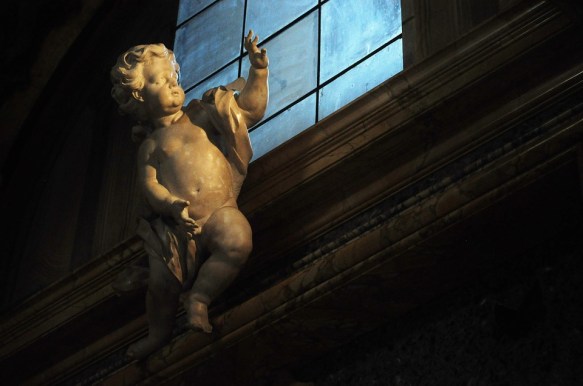
Like a blank sheet on a coffee table

The aim of meditation then, is to let go of the conditions of the mind. This doesn’t mean denying, getting rid of, or judging them. It means not believing them or following them. Instead we listen to them as conditions of the mind that arise and cease. We learn to trust in just being the listener, the watcher, with an attitude of awakened, attentive awareness, rather than be somebody trying to meditate to get some kind of result. Then through mindfulness we are able to get beyond the conditioning of the mind to the pure consciousness that isn’t conditioned, but which is like the background, the emptiness, the blank sheet on which words are written. Our perceptions arise and cease on that blank sheet, that emptiness.

Ajahn Sumedho, True but not right, Right but not true