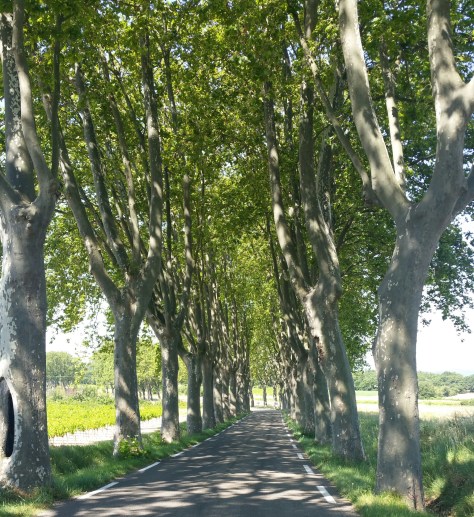
We like to think that we are in control and directing things…
Let go of all your assumptions
And the world will make perfect sense
Chuang-tzu.
We like to think that we are in control and directing things…
Let go of all your assumptions
And the world will make perfect sense
Chuang-tzu.

The one who learns to live with his incapacity has learned a great deal. This will lead us to the valuation of the smallest things, and to wise limitation, which the greater height demands… . The heroic in you is the fact that you are ruled by the thought that this or that is good, that this or that performance is indispensable, … this or that goal must be attained in headlong striving work, this or that pleasure should be ruthlessly repressed at all costs. Consequently you sin against incapacity. But incapacity exists. No one should deny it, find fault with it, or shout it down.
Carl Jung, The Red Book

You will be shown the way
when your wagon is overturned
Babylonian proverb
(with thanks to alive on all channels.com)

Life has told me that it knows better plans than we can imagine,
so that I try to submerge my own desires…into a calm willingness
to accept whatever comes,
to make the most of it,
then wait again.
Julia Seton, By a Thousand Fires:
Nature notes and extracts from the life and unpublished journals of Ernest Thompson Seton

In the course of a day, certain events or how people behave can annoy or disturb us, leading us to consider them as “enemies”, working against our happiness. However, as the Buddha reminds us, it is not the things in themselves which are the problem, but how we react to them:
Your worst enemy can not harm you
as much as your own unfiltered thoughts.
Dhammapada, ch. 3
photo mike peel

February has begun rainy and very wild and windy here in Ireland. I am reminded of how Ryokan worked with the mental energies, thoughts, feelings and moods which passed through his body-mind. We can learn a lot from these monks on how to work in a practical way with our daily experience:
Not being so attached to our facts, or even our “alternative facts”, and how to let go of certain types of thoughts which are just not important.
If someone asks about
the mind of this monk,
say it is no more than a passage of wind
in the vast sky.
Ryokan, 1758 – 1831, Buddhist monk, hermit and poet.

