
When all thoughts
Are exhausted
I slip into the woods
And gather
A bunch of shepherd’s purse.
Like the little stream
Making its way
Through the mossy crevices
I, too, quietly
Turn clear and transparent.
Ryoken
When all thoughts
Are exhausted
I slip into the woods
And gather
A bunch of shepherd’s purse.
Like the little stream
Making its way
Through the mossy crevices
I, too, quietly
Turn clear and transparent.
Ryoken
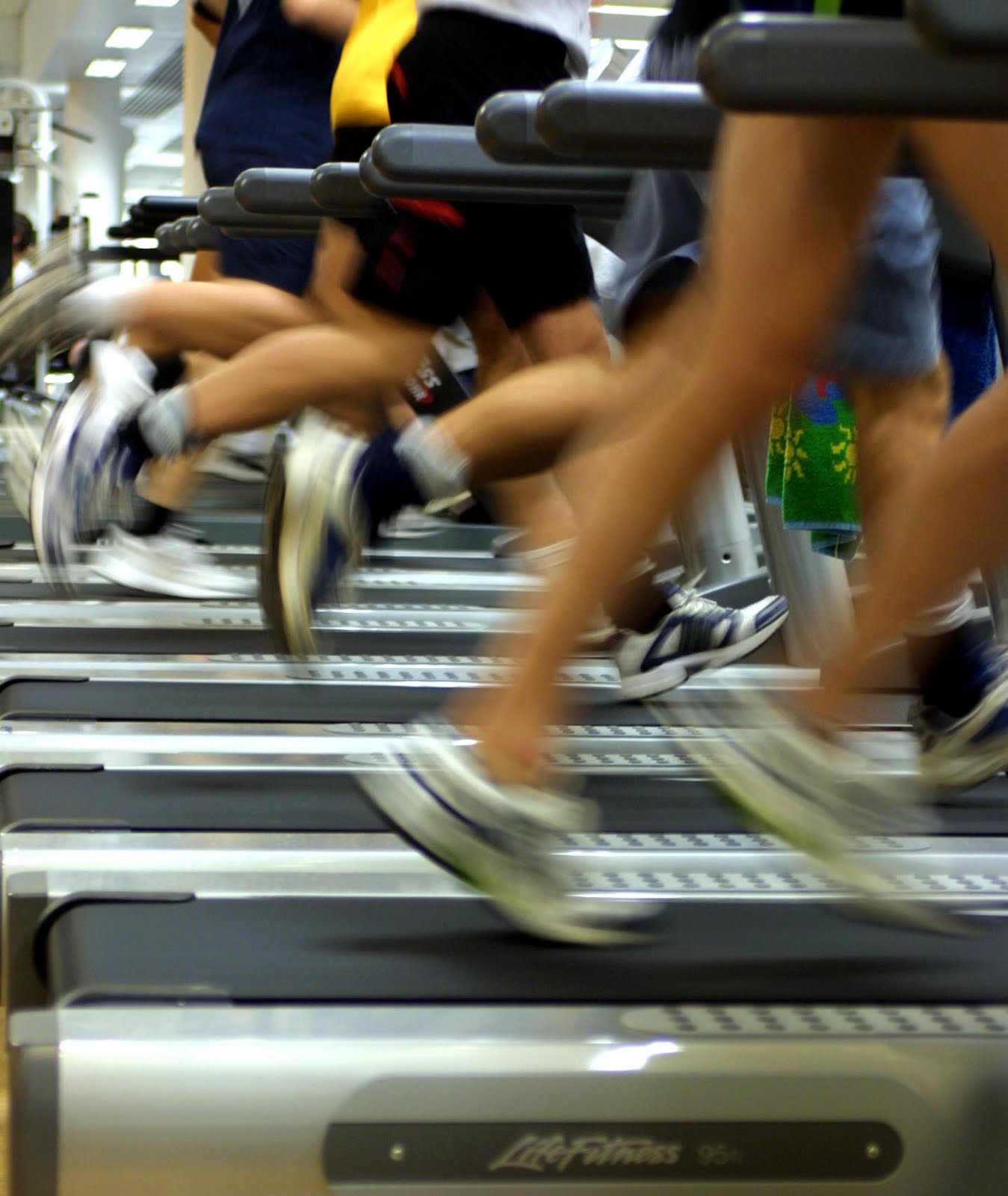
The practice of meditation does not involve discontinuing one’s relationship with oneself and looking for a better person or searching for the possibility of reforming oneself and becoming a better person. The practice of meditation is a way of continuing one’s confusion, chaos, aggression and passion – but working with it, seeing it from the enlightened point of view
Chogyam Trungpa, The Path is the Goal

When the underlying causes that produced and perpetuated an experience of happiness change, most people end up blaming either external conditions or themselves. However, because it reflects a loss of confidence in oneself, or in the things we’re taught to believe should bring us happiness, blame only makes the search for happiness more difficult.
Yongey Mingyur Rinpoche.
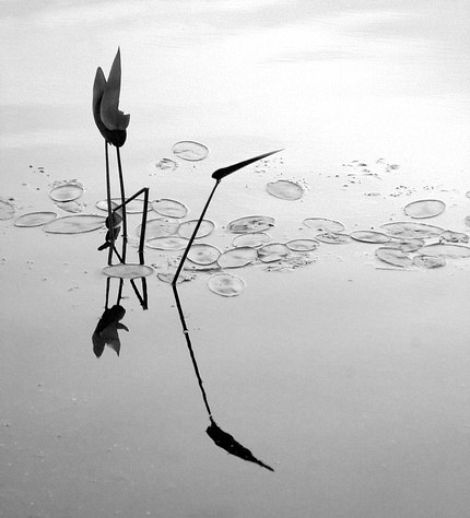
It is completely natural that thoughts keep on arising. The point is not to try to stop them, but to liberate them. This is done by remaining in a state of simplicity, which lets thoughts arise and vanish again without stringing onto them any further thoughts. When you no longer perpetuate the movement of thoughts, they dissolve by themselves without leaving any trace. When you no longer spoil the state of stillness with mental fabrications, you can maintain the natural serenity of mind without any effort. Sometimes, let your thoughts flow and watch the unchanging nature behind them.
Dilgo Khyentse Rinpoche
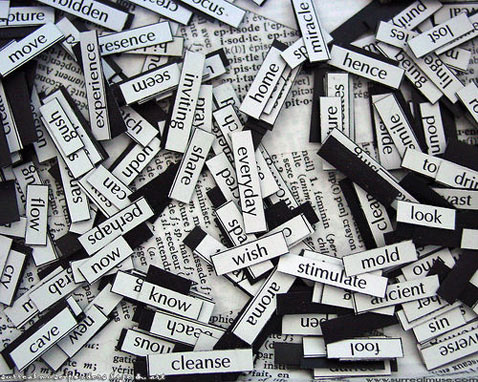
We rarely take a breath without making a judgment.
Don’t mistake naming for knowing.
Ezra Bayda, Saying Yes to Life

Life’s face is never the same
though we may look at it for all eternity.
Kolbein Falkeid, Norwegian poet, 1933 –
photo paula rey
 Mindfulbalance