Come down from the mountain

Meditators face a very real danger of coming to prefer the view from the top of the pole to their real life on the ground. But such peak moments, no matter how profound, always end, leaving us with the problem of how to live in accord with the perspective they provide. Unless we learn to step off the pole, our practice will devolve into mere addiction to the highs of peak experience.

Barry Magid, Ordinary Mind

Forever begin

In Memory of my Father, born this day 1920.

Begin to the loneliness that cannot end, since it perhaps is what makes us begin,
begin to wonder at unknown faces
at crying birds in the sudden rain
at branches stark in the willing sunlight
at seagulls foraging for bread
at couples sharing a sunny secret
alone together while making good.

Though we live in a world that dreams of ending
that always seems about to give in
something that will not acknowledge conclusion
insists that we forever begin.

Brendan Kennelly,  Begin

Not everything goes to plan 1: Wait

It is the height of arrogance to prescribe a moral code or health regime or spiritual practice as an amulet to keep things from falling apart. Things do fall apart. It is in their nature to do so. When we try to protect ourselves from the inevitability of change, we are not listening to the soul. We are listening to our fear of life and death, our lack of faith, our smaller ego’s will to prevail. To listen to your soul is to stop fighting with life–to stop fighting when things fall apart; when they don’t go our away, when we get sick, when we are betrayed or mistreated or misunderstood. To listen to the soul is to slow down, to feel deeply, to see ourselves clearly, to surrender to discomfort and uncertainty and to wait.

Elisabeth Lesser

The seasons of the heart

Even as the stone of the fruit must break, that its heart may stand in the sun, so must you know pain.

And could you keep in your heart the miracles of your life, your pain would not seem less wondrous than your joy;

And you would accept the seasons of your heart, even as you have always accepted the seasons that pass over your fields.

And you would watch with serenity through the winters of your grief.

Kahil Gibran The Prophet

Stay awake!

It is the acceptance of death that has finally allowed me to choose life. Elizabeth Lesser

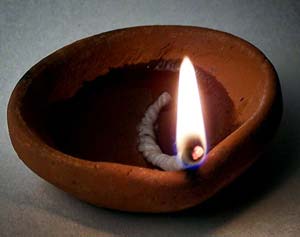
The gospel in this morning’s  liturgy is a well known one, reminding us of the need to be always on the alert for the return of the Master. It advises us to “stay awake, for you do not know the day or the hour“. We are urged to “always keep the lamps lit“. Initially understood as a reference to the immanent return of Christ,  it became applied to the awareness that life itself is precarious and that sickness and death can strike when we least expect.

This awareness of death can be very real when someone close to us is ill. However, it is also common in different wisdom traditions, including in Catholic and Buddhist practice,  to consciously reflect on death and on what legacy we would like to leave behind. The Dalai Lama recommends this as an ongoing practice, reminding us that death is part of life itself and is not bad in itself. He states that his daily meditation includes preparation for death: “Thinking about death not only serves as a preparation for dying and prompts actions that benefit future lives, but it also dramatically affects your mental perspective”

There is another way this morning’s text can be applied to our practice, not referring to the future or to our death. It simply reminds us to be awake , at every moment, to the different ways in which life presents itself, second by second. It is only in the present moment that we can fully be alive, as recent quotes on the blog remind us. We miss so much of life’s richness by not being present, or wishing to be elsewhere. We can often prefer the jabber in our heads or dreaming about some imagined future to the real life that is before us. Our minds love to be busy, running outward toward something they see and want, and then in the the next moment, turning inward toward some thought that feels good or planning for the future. The problem with this busyness, even when we are concerned with important things, is that we are not aware. We are thinking. The wisdom in this gospel text is lost if we use it just to prepare for death. We are called to be fully alert to all the ways that we can love life in each moment by being aware of what is going on.

All things come to an end

One of the more frequently quoted phrases coming from different wisdom traditions is “This too will pass” It is a reminder that we can find contentment in whatever circumstance if we glimpse the truth that all things will not last forever. Change is constant, events, people, health and sickness come and go in our lives, difficult situations will end. It allows us create space between ourselves and the situation and focus instead on why the situation has been presented to us and what we can learn from it.

It’s not always easy to stay balanced but it helps me when I look at the things happening in my life as due to many causes coming together. The wisest way I can respond to them is by working with them and  not struggling with them. This does not mean that I should not fight for the things that I can change or refuse to accept it when others treat me badly. However, at times, there are things that I cannot change. “This too will pass” helps me see that all things have an ending. And when I see that endings can lead to new beginnings, I can endure difficulties more easily and let go of good things without resentment.