
Nothing outside yourself can cause any trouble.
You yourself make the waves in your mind.
If you leave your mind as it is, it will become calm.
Shunryu Suzuki Roshi
Nothing outside yourself can cause any trouble.
You yourself make the waves in your mind.
If you leave your mind as it is, it will become calm.
Shunryu Suzuki Roshi
 My work is loving the world.
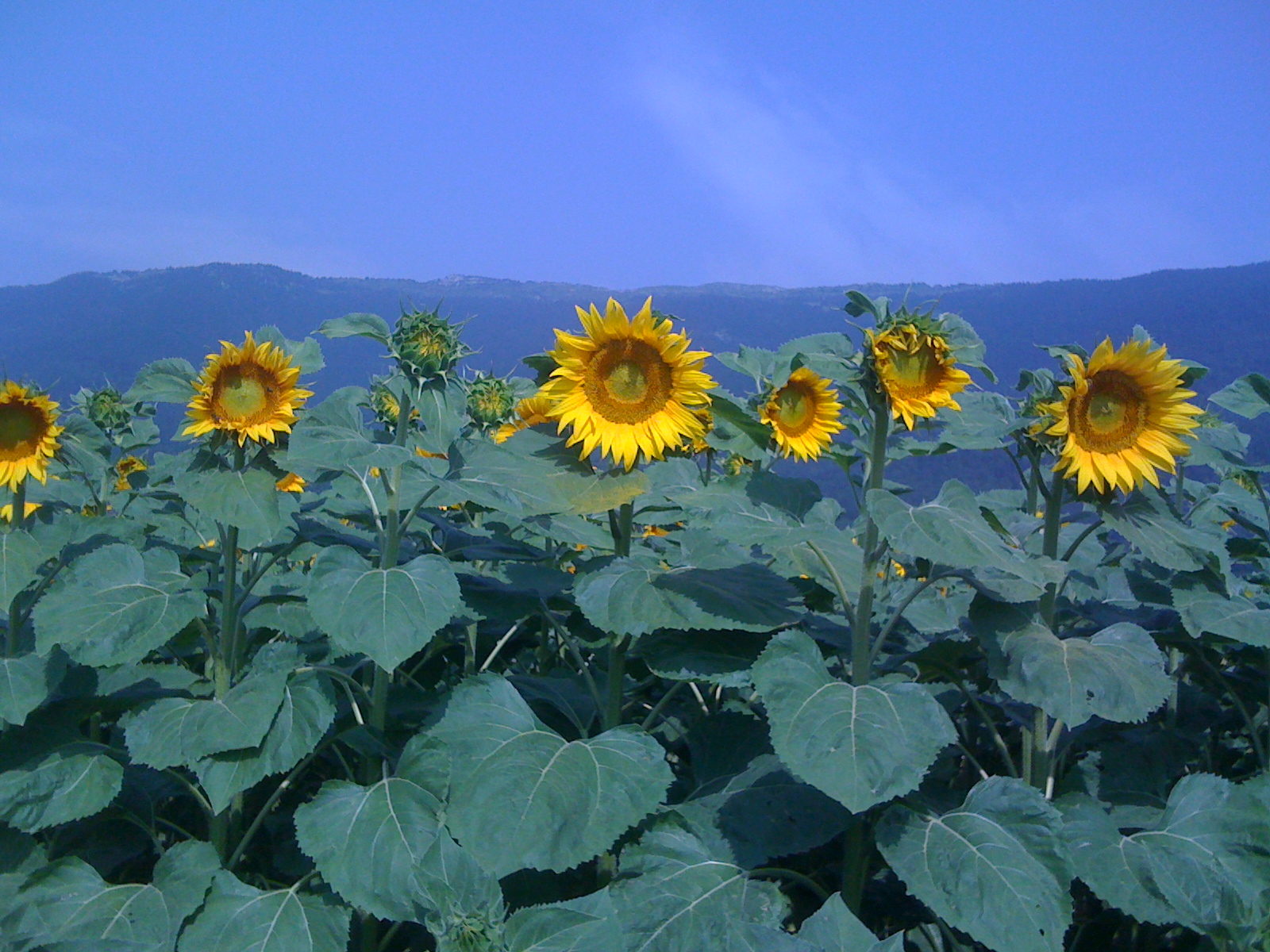
Here the sunflowers, there the hummingbird—
equal seekers of sweetness.
Here the quickening yeast; there the blue plums.
Here the clam deep in the speckled sand.
Are my boots old? Is my coat torn?
Am I no longer young, and still half-perfect? Let me
keep my mind on what matters,
which is my work,
which is mostly standing still and learning to be
astonished.
Mary Oliver, Messenger
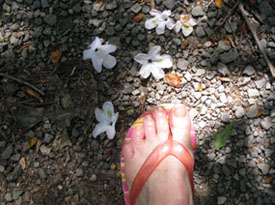 We shall not cease from exploration and the end of all our exploring will be to arrive where we started… and know the place for the first time.
T.S. Eliot, The Waste Land
Salvation, if we can talk about it at all, is the end of ambition, which is when you become completely one with your experience. Knowledge becomes one with wisdom…. You realize that you never needed to make the journey at all, because the journey and the goal are there already. It’s not so much that you are achieving liberation, but it is more that you realize that liberation is right there and that you needn’t have sought for it.
Chögyam Trungpa, Transcending Madness: The Experience of the Six Bardos
We are dust and to dust return.
In the end we’re
neither air, nor fire, nor water,
just
dirt,
neither more nor less, just dirt,
and maybe
some yellow flowers.
Pablo Neruda, Ode to Some Yellow Flowers

Wisdom emerges in the space around words
as much as from language itself.
Mark Epstein
 Learning to live from genuine happiness requires first seeing what blocks it. One of the major blocks is our deeply rooted sense of entitlement. In fact, this is a big part of the “problem” of happiness: we firmly believe that we should be happy. We think it’s our right, and consequently, we feel entitled to it, even if we’re not clear what happiness is, except to feel good. This expectation can have many faces. For example, we often feel entitled to good health, expecting that we can and should be able to stay youthful and physically fit. When life comes along to greet us with illness or injury we can easily sink into a stupor of frustration and even despair. Sometimes just getting a cold will trigger our anxieties over losing control and feeling powerless. This sense of entitlement — which basically says that life should go the way we want and expect it to go — even tells us we shouldn’t have to experience discomfort. Then, when we do experience discomfort, we feel that something is wrong; we might get angry and feel it’s unfair, or we may feel sorry for ourselves.
Ezra Bayda, Beyond Happiness
 Mindfulbalance