 Following on the poem this morning, some thoughts on the blessings we have received and the place of gratitude in our lives. It is interesting that in loving kindness meditation we always begin with blessings directed towards ourselves. So an ongoing good practice is to reflect on all who have touched us in our lives, or just at the end of each day – to see what blessings have come our way, to take them in and be grateful for them. It seems to me that a lot of the time most of us feel as if we are looking for something, and we live our days or weeks more or less happy or unhappy, but mostly not really paying attention to what is actually going on each day. Having space to notice and then be grateful for the small blessings of each day and the larger blessings of our life and history allows us to celebrate our life, come what may, moments of sadness and joy, being close or far away.
Blessing is a very concrete reality. The word “blessing” is related in English to the word “blood.” Blessing is like the spiritual bloodstream that flows through the universe. When we bless something we are returning what we have received to its source. We know we receive life and breath from a source which is beyond us. We haven’t bought it or earned it. We are just put here and life comes to us from some mysterious source, and we can give it back. That is like the blood coming from the heart and going back to the heart. That blood keeps on flowing and if we tune in to the bloodstream of blessing the world comes alive. The same thing happens if we cut off the bloodstream or drain the sap from a tree; life withers. The gifts or blessings of life are always there but if we are not aware of them, they don’t do much for us. That is where gratefulness comes in. Gratefulness makes us aware of the gift and makes us happy. As long as we take things for granted they don’t make us happy. Gratefulness is the key to happiness.
David Steindl-Rast.
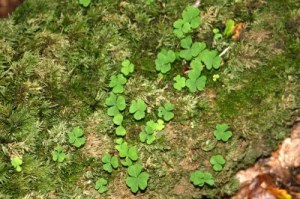
Beannachtai na Féile Padraig oraibh go léir! The blessings of Saint Patrick’s Day to you all.
 One of the signs of work that’s debilitating is when you feel constantly besieged by time, when you are constantly trying to fit your work into a schedule. Now there’s no work that is immune to the sense of deadline or of being limited. But if you don’t have a cyclical visitation of the timeless in your endeavours, I’d say that’s a pretty good sign it’s not your conversation, it’s not your work and you should be elsewhere. Or you should move on from something that perhaps once brought that into your life but no longer does. The whole idea of pilgrimage is not necessarily moving on from a particular form of conversation, but finding – and I do think work is a kind of out loud, visible conversation – it’s keeping that conversation real, and in order to do that, finding new forms appropriate to it.