 Even after all this time
The sun never says to the earth,
“You owe Me.”
Look what happens
With a love like that,
It lights the
Whole Sky.
Hafiz
Even after all this time
The sun never says to the earth,
“You owe Me.”
Look what happens
With a love like that,
It lights the
Whole Sky.
Hafiz
 We do not have to create joy. It is an innate quality already within us, however hidden or dormant it may be. As innocent babies we all have a natural joy. We all can still squeal with delight given the right circumstances. When we’re not overwhelmed with stress or suffering, this natural state becomes revealed.
James Baraz
Once you have insight, then you find you enjoy and delight in the beauty and goodness of things. Truth, beauty, and goodness delight us; in them we find joy.
Ajahn Sumedho
A ll experience is preceded by mind
led by mind, made by mind.
Speak or act with a troubled mind, and suffering will follow, Like the cart-wheel follows the hoof of the ox
Speak or act with a peaceful mind,
and happiness will follow, Like a never departing shadow.
Dhammapada, The Way of Truth, I, 1 – 6
 May you be present in what you do.
May you never become lost in the bland absences.
May the day never burden you.
May dawn find you awake and alert, approaching your new day with dreams,
Possibilities and promises.
May evening find you gracious and fulfilled.
May you go into the night blessed, sheltered and protected.
May your soul calm, console and renew you.
John O’Donoghue, May the light of your soul gude you
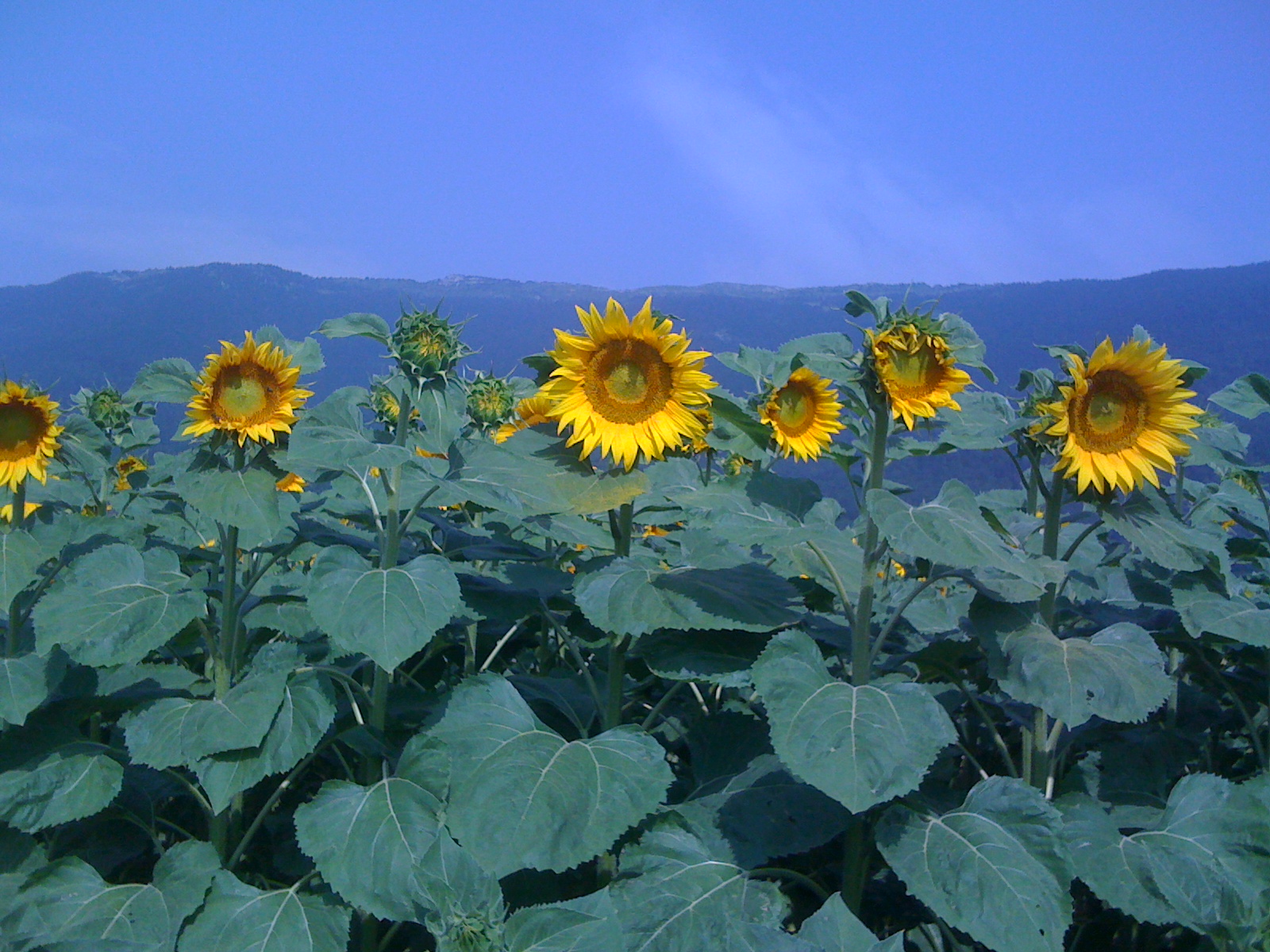 In every walk with nature, one receives far more than one seeks.
John Muir
Nature does not hurry, yet everything is accomplished.
Lao Tzu
 I am at home in Ireland and have been struck by the welcome, ease and friendliness of people, in shops, taxis and at a football match. Early Celtic spirituality placed a huge emphasis on hospitality, and some of that has persisted to this day.
The focus of hospitality was especially directed toward strangers and the poor, and that still challenges us today, especially in our self-obsessed society. However, another reflection on openness and welcome which can be looked at, in the light of the last few posts, is how we offer hospitality to ourselves, to our fears, to the people and situations that scare us? We are sometimes easier on others than we are on ourselves. Can we turn towards those emotions that frighten us, rather than turn away?
May the blessing of light be on you – light without and light within.
May the blessed sunlight shine on you like a great fire,
so that stranger and friend may come and warm himself at it.
And may light shine out of your eyes,
like a candle set in the window of a house,
bidding the wanderer to come in out of the storm.
Early Scottish Prayer

