When things are dark in our lives

File:Candle burning.jpg

In Buddhism, a definition of faith is the ability to keep our hearts open in the darkness of the unknown. The root of the word patience is a Latin verb for “suffer,” which in the ancient sense meant to hold, not to grasp but to bear, to tolerate without pushing away. Being patient doesn’t mean being passive. It means being attentive, willing to be available to what is happening, going on seeing, noticing how things change. When we aren’t wishing for something to be over, or when we aren’t freezing around an idea about what it is we are seeing, we see and hear more. We notice that nature has cycles, that each day is not the same length and quality, and that darkness passes. The meaning of life, the real purpose of our presence here, is being attentive, being willing to go on seeing and keeping our hearts open — not just for our sake but for the sake of others. We make ourselves available to life, opening our hearts to the passing flow of it, knowing we will blunder and get it wrong but sometimes right.

Tracy Cochran (with thanks to make believe boutique) 

photo NCCo
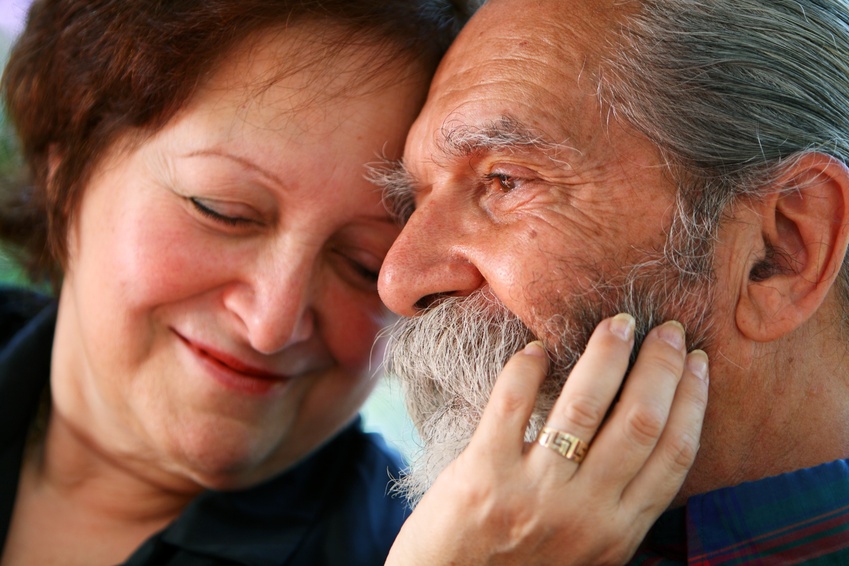
The gift of presence

File:Old couple in love.jpg

Some reflections on love, for the day that is in it…

The human soul doesn’t want to be advised or fixed or saved.

It simply wants to be witnessed — to be seen, heard and companioned exactly as it is.

When we make that kind of deep bow to the soul of a suffering person, our respect reinforces the soul’s healing resources, the only resources that can help the sufferer make it through.

Parker Palmer, The Gift of Presence, The Perils of Advice

There is no way into presence except through a love exchange.

Rumi

photo Ian McKenzie

Sunday Quote: On not being blind to what is around us

daff

If your daily life seems poor, do not blame it;

blame yourself,

tell yourself that you are not poet enough to call forth its riches;

for to the creator there is no poverty

Rainer Maria Rilke

The importance of knowing that we are not capable of everything

File:Flat Tyre.jpg

The one who learns to live with his incapacity has learned a great deal. This will lead us to the valuation of the smallest things, and to wise limitation, which the greater height demands… . The heroic in you is the fact that you are ruled by the thought that this or that is good, that this or that performance is indispensable, … this or that goal must be attained in headlong striving work, this or that pleasure should be ruthlessly repressed at all costs. Consequently you sin against incapacity. But incapacity exists. No one should deny it, find fault with it, or shout it down.

Carl Jung,  The Red Book

Life knows better than we do

File:FlyAnglerEastGallatinRiverMontanaAtDawn.jpg

Life has told me that it knows better plans than we can imagine,

so that I try to submerge my own desires…into a calm willingness

to accept whatever comes,

to make the most of it,

then wait again.

Julia Seton, By a Thousand Fires:

Nature notes and extracts from the life and unpublished journals of Ernest Thompson Seton

What we consider enemies

File:WMUK board meeting November 2011.jpg

In the course of a day, certain events or how people behave can annoy or disturb us, leading us to consider them as “enemies”, working against our happiness. However, as the Buddha reminds us, it is not the things in themselves which are  the problem,  but how we react to them: 

Your worst enemy can not harm you

as much as your own unfiltered thoughts.

Dhammapada, ch. 3

photo mike peel