 In the south of Kildare there is the small town of Castledermot, the Gaelic name of which is Diseart Diarmad. I was struck by this name as we passed it the other day, as the word diseart means “desert”. This refers to the monastery founded around 800 by the father of St. Diarmuid, after which the town takes its name. So the space where the monks lived was called a desert, even though, as you can imagine, dry deserts are somewhat hard to find in Ireland. However, in most religious traditions we find references to the desert. So what does it mean and is it relevant to us today?
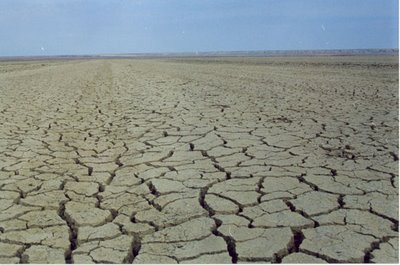
The first obvious meaning of the word desert refers to a place where nothing grows and conditions are simple, even harsh. This absence of growth means that a person is removed from normal distractions and encouraged them to focus on what was really necessary. Familiar patterns and habits no longer apply. So for example in the Old Testament, the Prophet Hosea says that “The desert will lead you to your heart where I will speak”. I find it interesting that people found the need to create deserts in eight century Ireland when things were very quiet and remote compared to today. In a hectic pace of life, like todays, some creation in our schedules of a similar uncluttered space, both externally and internally, is even more necessary.
However, the desert can also be a metaphor for periods in our lives, as all of us can pass through moments when nothing seems to be moving or growing in us, when things seem barren and dry, or when familiar ways no longer seem to work. It can be said that at such times we enter our own “desert” where we are forced to re-evaluate what is important and simplify things down to what is really needed. Periods of change and difficulty – when we are faced with the removal of our usual points of reference or with no sustenance – can be somewhat frightening and confusing. We can no longer follow our old habits of fantasy, escape or distraction. When this happens it is hard to believe that our own empty and desolate moments can be in any way positive or moments of growth. And yet, one theme which we find in both eastern and western writers on meditation is that our problems become the very places where we can discover greater wisdom and depth. Sometimes we are encouraged to make “difficulties into the path”.
Not always easy. However, the word desert, and the name of the town remind me to hold difficulties in a different light. They may not be all negative. It would seem that the secret of the desert is learning to lose, to let things go, to simplify. Periods of dryness or confusion or doubt are challenges to stay with ourselves, to observe, to learn gentleness and allowing. The frequently found theme of the desert teaches us the importance of slowing down, of being patient and waiting for the meaning or the growth to appear in its own time. Difficult periods can be, as the Prophet says, a time for journeying deeper into our own heart.
 One of the mighty illusions that is constructed in the dailiness of life in our culture