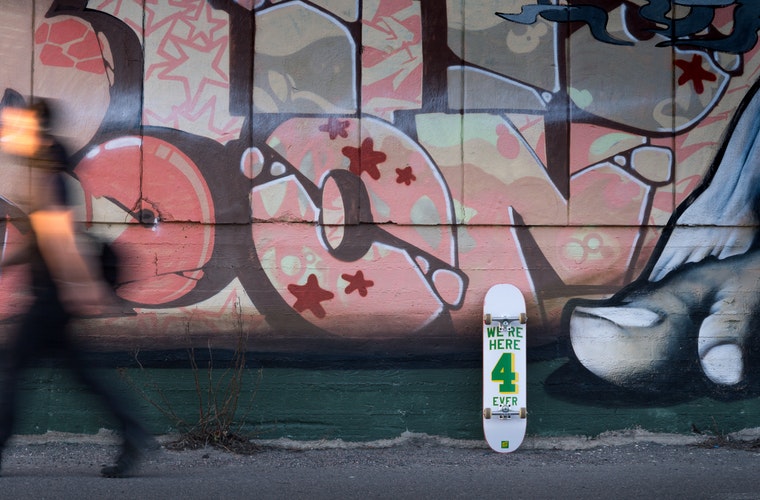
It is not an easy or automatic thing to be fully at ease in the place or moment we are in our lives….
My favorite poem from David Wagoner is “Lost” :
Stand still, the trees ahead and bushes beside you
Are not lost. Wherever you are is called Here
And you must treat it as a powerful stranger.
The truth of this poem is an old truth. There are the places you wish to go, there are the places you desperately wish you never left, there are the places you imagine you should be, and there is the place called here. In the world of Wagoner’s poem, it is the rooted things – trees and bushes – that tell the truth to the person who is lost, the person with legs and fear who wishes to be elsewhere. The person must stand still, feel their body on the ground where they are, in order to learn the wisdom. This is not easy wisdom, it is frightening wisdom.
In Irish, there is a phrase “ar eagla na heaglab” that translates as “for fear of fear.” It is true that there are some things that we fear, but that there is, even deeper, a fear of fear. So we are prevented from being here not only by being frightened of certain places but by the fear of being frightened of certain places. So “stand still” the poet advises. Learn from the things that are already in the place where you wish you were not.
Hello to the fear of fear
Hello to here ..
Padraig O’Tuama, in his lovely book, In the Shelter: Finding a Home in the World