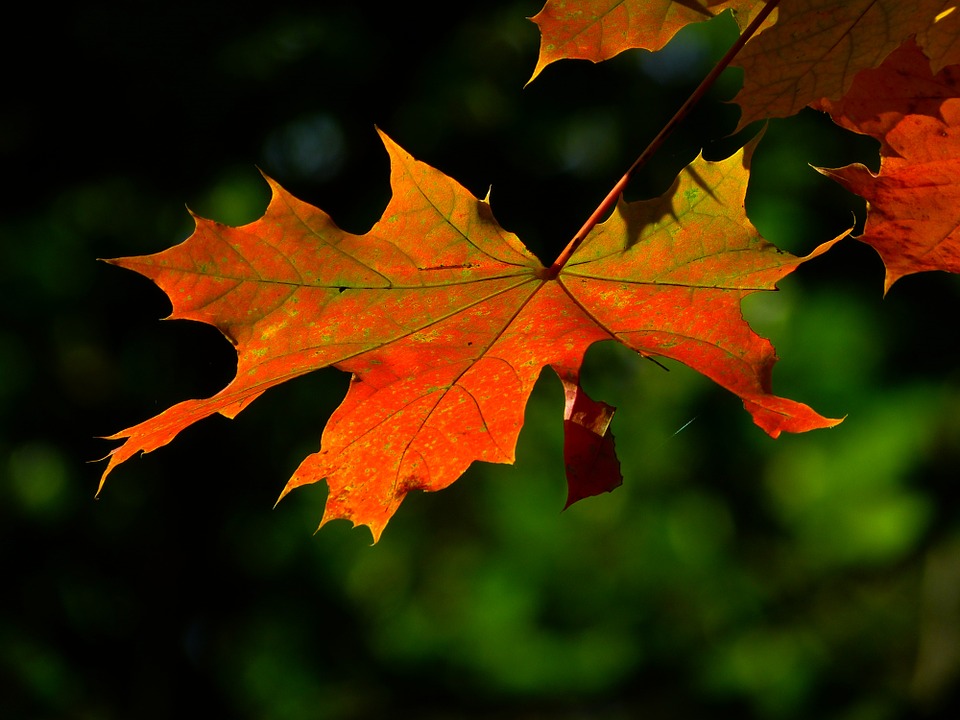
Signs of Autumn all around….
It is not our job to remain whole.
We came to lose our leaves
Like the trees, and be born again,
Drawing up from the great roots.
Robert Bly
Signs of Autumn all around….
It is not our job to remain whole.
We came to lose our leaves
Like the trees, and be born again,
Drawing up from the great roots.
Robert Bly
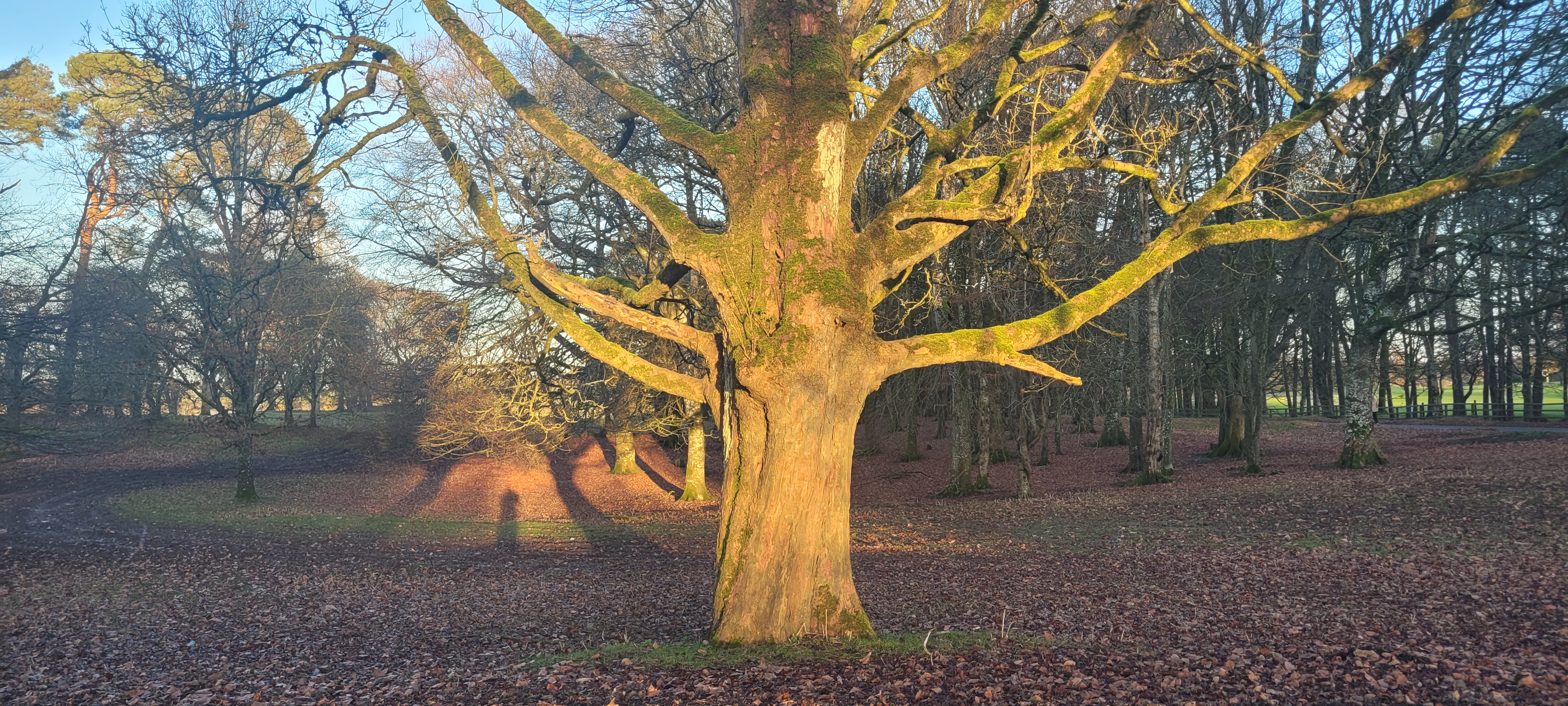
A tree says: A kernel is hidden in me, a spark, a thought, I am life from eternal life. The attempt and the risk that the eternal mother took with me is unique, unique the form and veins of my skin, unique the smallest play of leaves in my branches and smallest scar on my bark. I was born to form and reveal the eternal in my smallest special detail.
A tree says: My strength is trust. I know nothing about my fathers. I know nothing about the thousand children that every year spring out of me. I live out the secret of my seed to the very end, and I care for nothing else. I trust that God is in me. I trust that my labour is holy. Out of this trust I live
Hermann Hesse, Trees: Reflections and Poems

After an old Hasidic master died, his followers sat around, talking about his life.
One person wondered aloud, “What was the most important thing in the world for the master?” They all thought about it. Another responded, after a time, “Whatever he happened to be doing at the time.“
Susan Murphy

Indeed you have a majestic, sublime nature.
Qur’an, Surah Qalam, Aya 4.
These words were firstly directly to Mohammad, the Prophet, but in the tradition are also addressed to each person who reads them

The human adventure is a wandering through the vale of the world for the sake of making soul.
Our life is psychological, and the purpose of life is to make psyche of it, to find connections between life and soul
James Hillman

Everything is a gift. The degree to which we are awake to this truth is a measure of our gratefulness. Day and night, gifts keep pelting down on us. If we were aware of this, gratefulness would overwhelm us. But we go through life in a daze.
A power failure makes us aware of what a gift electricity is; a sprained ankle lets us appreciate walking as a gift, a sleepless night, sleep. How much we are missing in life by noticing gifts only when we are suddenly deprived of them.
Eyes see only light, ears hear only sound, but a listening heart perceives meaning. Everything is a gift.
Gratefulness is the key to a happy life, because if we are not grateful, then no matter how much we have we will not be happy – because we will always want to have something else or something more.
David Steindl-Rast

