
Whether success or failure: the truth of a life really has little to do with its quality.
The quality of life is in proportion, always, to the capacity for delight.
The capacity for delight is the gift of paying attention.
May Sarton
Whether success or failure: the truth of a life really has little to do with its quality.
The quality of life is in proportion, always, to the capacity for delight.
The capacity for delight is the gift of paying attention.
May Sarton

There is an internal landscape, a geography of the soul; we search for its outlines all our lives. Some find it in the place of their birth; others may leave a seaside town, parched, and find themselves refreshed in the desert. There are those born in rolling countryside who are really only at ease in the intense and busy loneliness of the city. For some, the search is for the imprint of another; a child or a mother, a grandfather or a brother, a lover, a husband, a wife, or a foe. We may go through our lives happy or unhappy, successful or unfulfilled, loved or unloved, without ever standing cold with the shock of recognition, without ever feeling the agony as the twisted iron in our soul unlocks itself and we slip at last into place.
Josephine Hart, Damage

Spiritual practice is not about accomplishing anything — not about winning or losing — but about ceasing to struggle and relaxing as it is.
Pema Chodron

Our life is a constant journey, from birth to death. The landscape changes, the people change, our needs change, but the train keeps moving.
Life is the train, not the station.
Paulo Coelho

While sitting on the floor of a room in Japan and looking out on a small garden with flowers blooming and dragon flies hovering in space, I sensed that this small world, almost underfoot, shall I say, had a validity all its own, but must be realized and appreciated from its own level in space.
I suddenly felt I had too long been exclusively above my boots.
Mark George Tobey, 1890 – 1976, American painted, strongly influenced by Asian calligraphy.
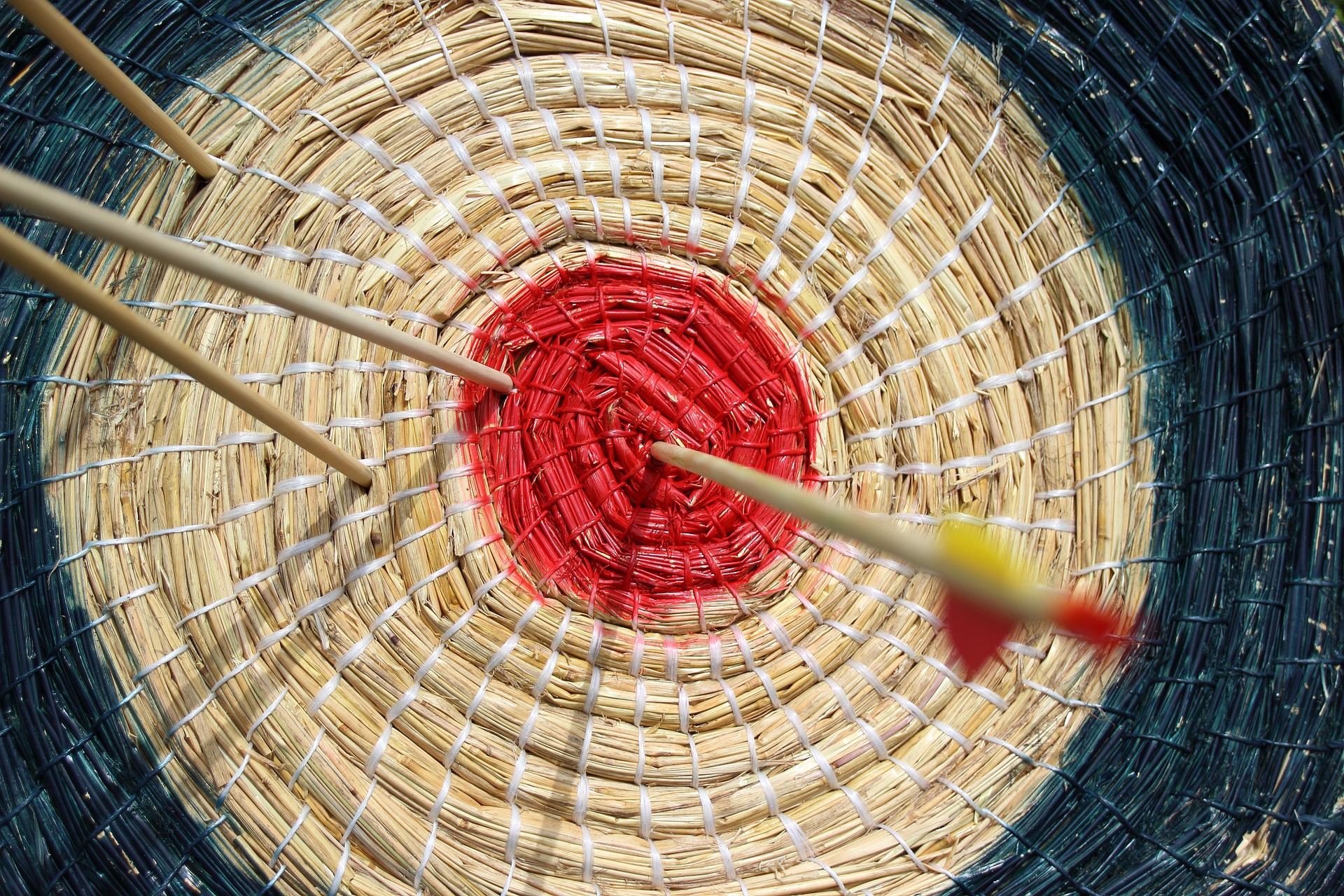
Not adding to our inevitable difficulties by lamenting, resisting, feeling sorry for ourselves, or making them into the story of our lives. One of the Buddhas most useful teachings: how we speak to ourselves about our challenges reduces our suffering.
Now a well-instructed person, when touched with a feeling of pain, does not sorrow, grieve, or lament, does not beat his breast or become distraught. So he feels one pain: physical, but not mental. As they are touched by that painful feeling, they are not resistant. No resistance-obsession with regard to that painful feeling consumes them.
Just as if they were to shoot a person with an arrow and, right afterward, did not shoot them with another one, so that they would feel the pain of only one arrow. In the same way, when touched with a feeling of pain, the well-instructed person does not sorrow, grieve, or lament, does not beat his breast or become distraught. They feels one pain: physical, but not mental
Their accepting or rejecting are scattered, gone to their end, do not exist. Knowing the dustless, sorrowless state, they discern rightly, are beyond becoming, have gone to the Further Shore.
The Buddha, The Sallatha Sutta

