Creating ourselves by our choices

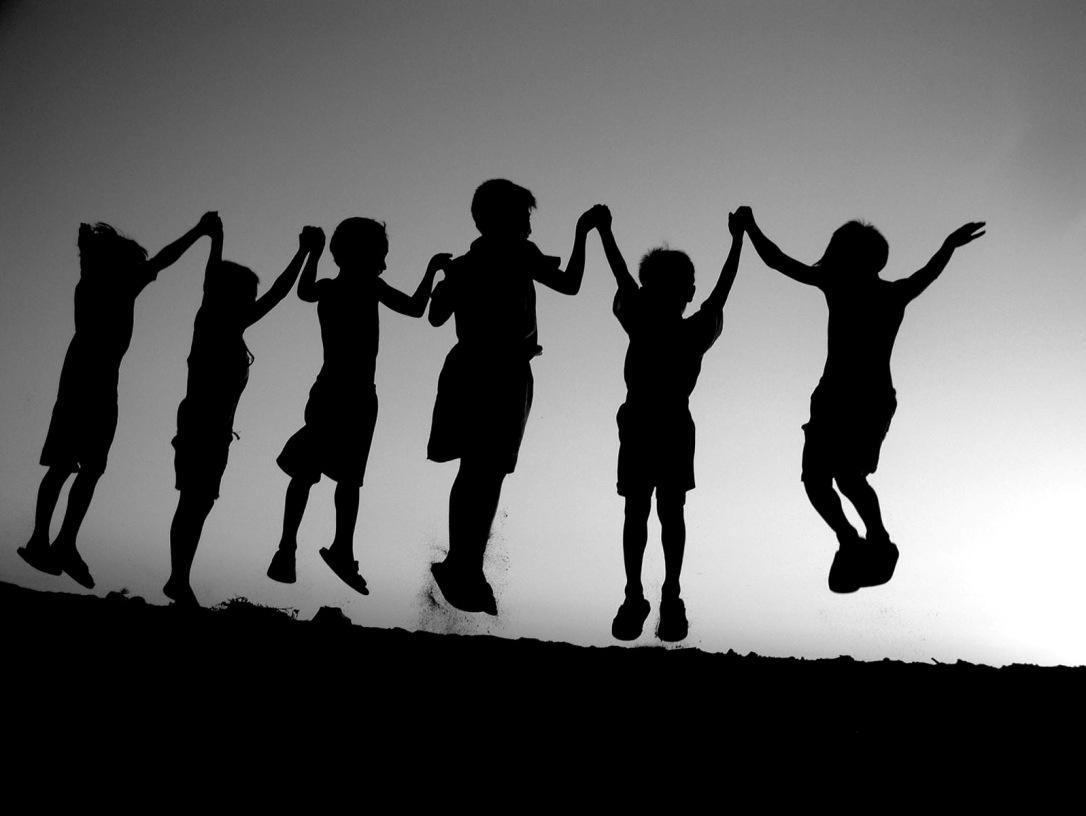
Michelangelo stated that his sculptures were already present in the stone and all he had to do was carve away everything else. Our understanding of identity is often similar: Beneath the many layers of shoulds and shouldn’ts that cover us, there lies a constant single true self that is just waiting to be discovered. We think of the process as a personal excavation. We dig deep, getting under the surface, throwing away the extraneous, to reveal our everlasting self. And the tool by which we unearth this piece de resistance is none other than choice. Your choices of which clothes to wear or which soda to drink, where you live, which school to attend or what to study, and of course your profession all say something about you, and its your job to make sure that they are an accurate reflection of who you are.

Shena Iyengar, The Art of Choosing
Genuine happiness comes from gently working with the mind

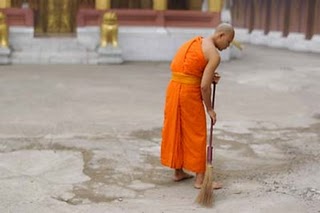
If we could put as much effort into cleaning up our minds as we do sweeping our houses, washing our clothes and doing the dishes, we would likely be at ease. But when we talk about cleaning like this, people don’t know what we are getting at…I’ve come to think it’s because people don’t seek their own dwelling place. We scrub and sweep elsewhere. We don’t make our minds clean, so there is always confusion. We are always looking outside.

…These days there is only force and hurry. Mangoes are never sweet now. They are forced. Before they are ripe they picked and artificially ripened. This is done because people want to get them in a hurry. So when you eat them you find they are sour. To get something good, you have to allow it be sour first, according to its own natural way. But we pick them early and then complain that they are sour. For the most part things are imitations. We grasp the things that are false and uncertain as real…If the mind does not see and realize, there is no path to clarity. 

Ajahn Chah, Being Dharma

…and create room for joy

We create room for joy as we move beyond “shoulds” and “musts” to an expansive state where we accept our capacity to be both powerful and gentle, expansive and reclusive, delighted and bored, wise and confused, passive and assertive, giving and receptive, generous and withholding, frightened and adventuresome, angry and loving. As we become accepting of ourselves we are more able to reach inside and speak our truths: Yes, No, I want, I can, I feel, I believe, I see, I love. This is a form of self-love that creates unity and peacefulness within because we are living at one with our wisest self.

Charlotte Kasl, Finding Joy

How to get peace of mind

A lot of the time much of our sense of inner worth is based on feelings related to others’ perceptions of us  or their achievements.  However, it is a basic tenet of mindfulness that happiness and peace of mind do not comes from things outside of us – when certain conditions are right – such as from a relationship, or what we possess or from our status in society –  but rather comes from working with our mind and heart. It is ironically from not seeking some things that they are found:

Looking for peace is like looking for a turtle with a mustache:

You won’t be able to find it.

But when your heart is ready,

peace will come looking for you.

Ajahn Chah

The body needs a song, a soul….

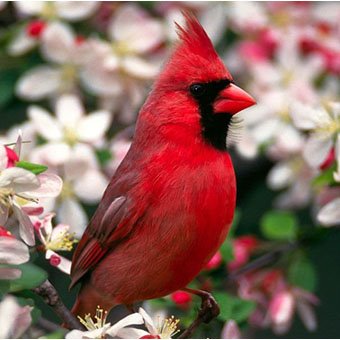
Have posted this poem before, but I saw this bird – the American Northern Cardinal – for the first time last week. Although, unlike Mary Oliver, I did not hear it sing, its bright colour still taught something about life, the heart, and the relationship between the body and the mind .

And this was my true task, to be the
music of the body
.
Do you understa
nd? for truly the body needs a song, a spirit, a soul.
And no less, to make this work,
the soul has need
of a body,
and I am both of the earth and I am of the inexplicable beauty of heaven where I fly so easily, so welcome, yes,

and this is why I have been sent,
to teach this to your heart.

Mary Oliver,  Red Bird

Training with perseverence

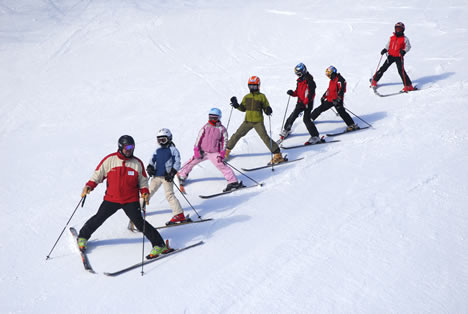
We all well know, as the contemporary Tibetan master Jogme Khyentse Rinpoche reminds us, that ” we don’t need to train our minds to improve our ability to get upset or jealous. We don’t need an anger accelerator or a pride amplifier”. By contrast, training the mind is crucial if we want to refine and sharpen our attention, develop emotional balance, inner peace and wisdom, and cultivate dedication to the welfare of others. We have within ourselves the potential to develop these qualities, bit they will not develop by themselves or just because we want them to. They require training. And all training requires perseverance and enthusiasm. We won’t learn to ski by practising one or two moments a month.

Matthieu Ricard, The Art of Meditation