
Treat every moment as your last.
It is not preparation for something else.
Shunryu Suzuki roshi, 1904 – 1971
Treat every moment as your last.
It is not preparation for something else.
Shunryu Suzuki roshi, 1904 – 1971

You understand so little of what is around you
because you do not use what is within you
Hildegard of Bingen, 1098 – 1179, German Benedictine abbess and polymath, writer, composer, philosopher and medical practitioner
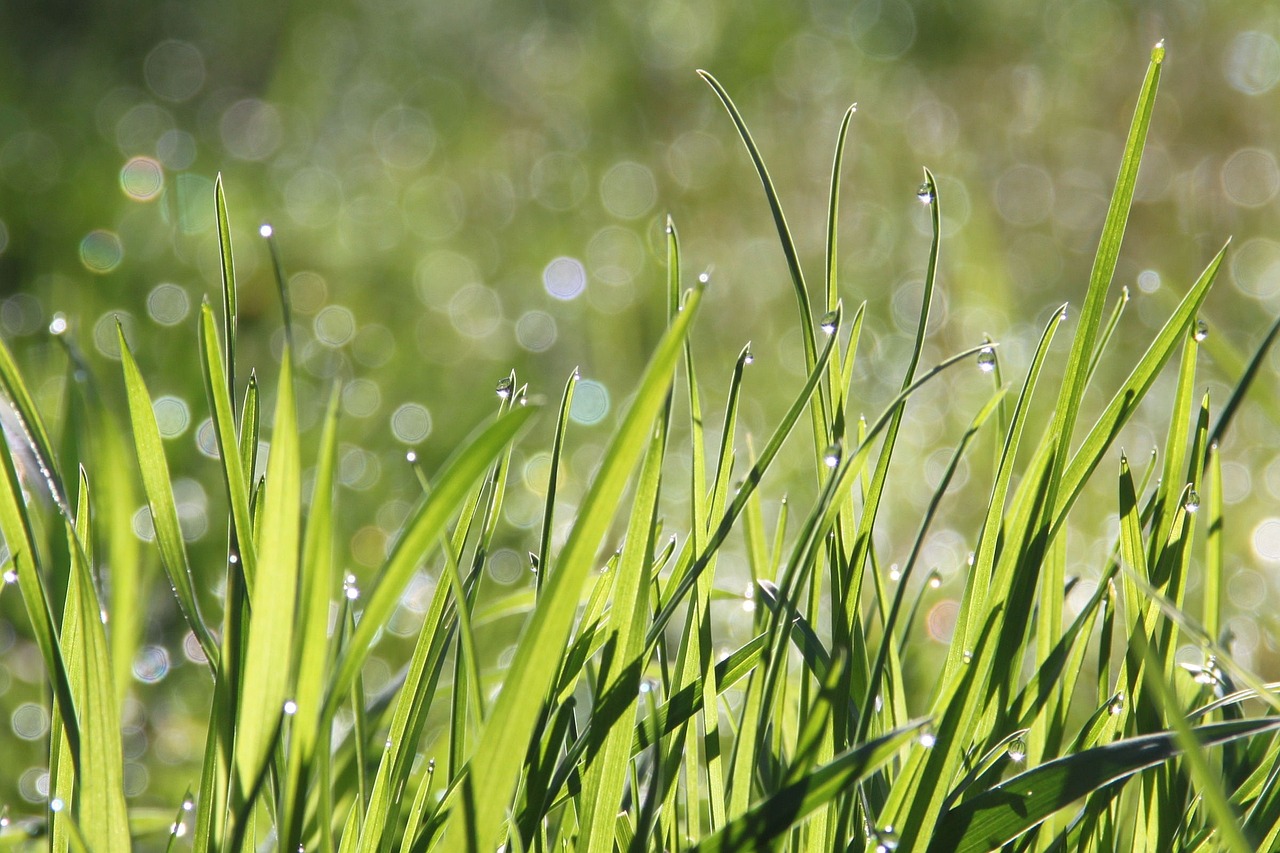
Layman Pang’s daughter said:
“The hundred grass tips:
The teachings of the ancestors
Are shining from them”
Wherever you look, whatever you see, think, feel…the teachings are shining from them
This is the invitation to come back into our life
Henry Shukman, Zen teacher, Mountain Cloud Zen Center
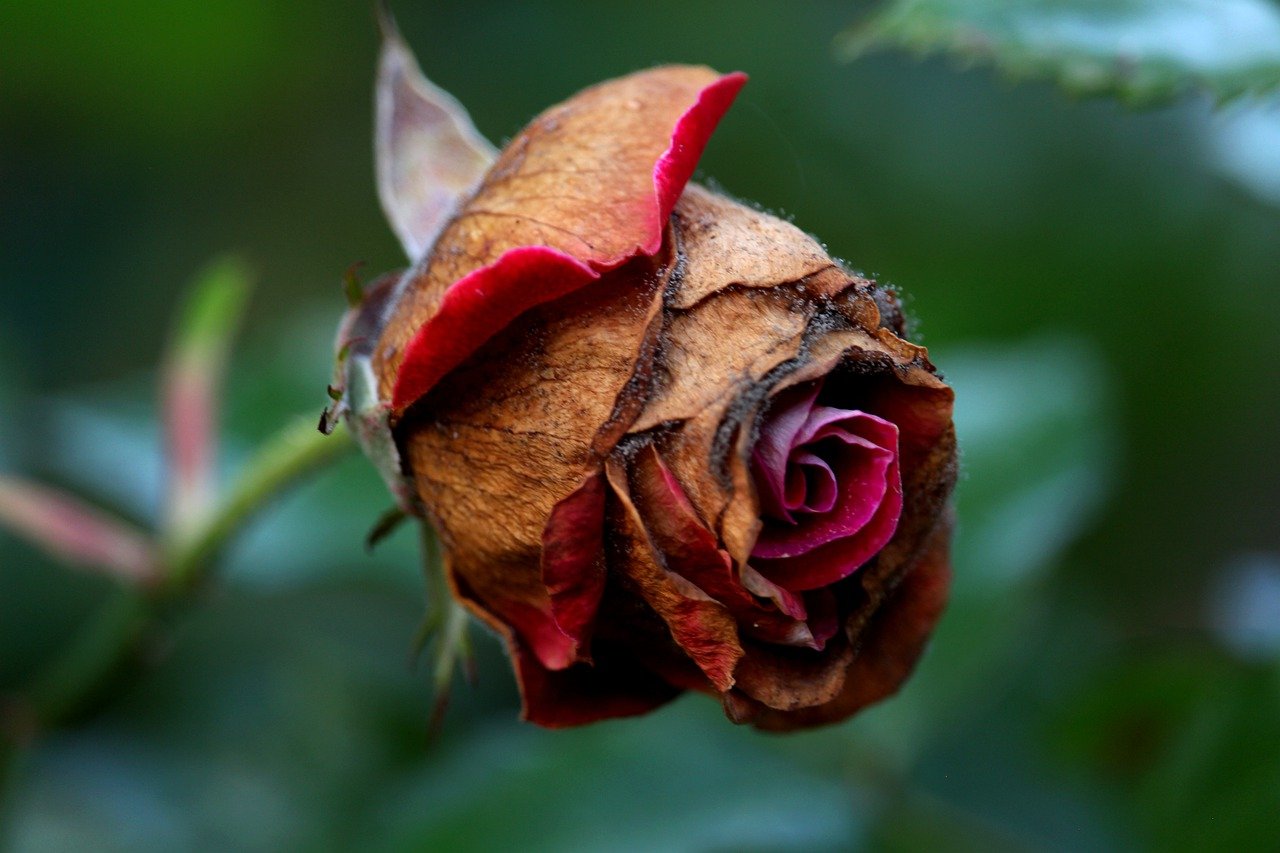
Though nothing can bring back the hour of splendour in the grass, of glory in the flower,
We will grieve not, rather find strength in what remains behind
In the primal sympathy which, having been, must ever be.
William Wordsworth, Splendour in the Grass

I thought of happiness how it is woven
Out of the silence in the empty house each day,
And how it is not sudden and it is not given
But is creation itself like the growth of a tree.
No one has seen it happen, but inside the bark
Another circle is growing in the expanding ring.
No one has heard the root go deeper in the dark,
But the tree is lifted by this inward work,
And its plumes shine, and its leaves are glittering.
So happiness is woven out of the peace of hours,
And strikes its roots deep in the house alone.
May Sarton, The work of Happiness [extract]

The Celts believed that the feast of Samhain, November 1st – halfway between the autumn equinox and the winter solstice – marked the start of the second, darker half of the year, where different energies and themes predominate.
In order to arrive at the second half of life, one has to realize there is an incurable wound at the heart of everything. Much of the conflict from the age of twenty-five to sixty-five is just trying to figure this out and then to truly accept it.
A Swiss theologian, Hans Urs Von Balthasar, said toward the end of his life: “All great thought springs from a conflict between two eventual insights: 1) The wound which we find at the heart of everything is finally incurable. 2) Yet we are necessarily and still driven to try.”
Our largely unsuccessful efforts of the first half of life are themselves the training ground for all virtue . This “wound at the heart of life” shows itself in many ways, but your holding and “suffering” of this tragic wound, your persistent but failed attempts to heal it, your final surrender to it, will ironically make you into a wise and holy person. It will make you patient, loving, hopeful, expansive, faithful, and compassionate – which is precisely the second half of life wisdom.
Richard Rohr, Loving the Two Halves of Life: The Further Journey
 Mindfulbalance