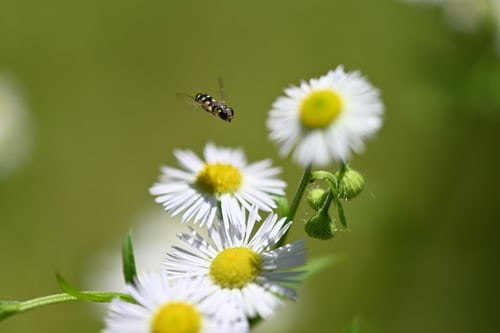
For lack of attention a thousand forms of loveliness elude us every day
Evelyn Underhill, 1875 – 1941, English writer on mysticism
For lack of attention a thousand forms of loveliness elude us every day
Evelyn Underhill, 1875 – 1941, English writer on mysticism

To live in the present moment requires a change in our inner posture. Instead of expanding or shoring up our fortress of “I” – the ego – which culture and often therapy try to help us do, contemplation waits to discover what this “I” consists of. What is this “I” that I take so seriously?…
Thomas Keating teaches a beautifully simple exercise to use in contemplation. Imagine yourself sitting on the bank of a river. Observe each of your thoughts coming along as if they’re saying, “Think me, think me.” Watch your feelings come by saying, “Feel me, feel me.” Acknowledge that you’re having the feeling; acknowledge that you’re having the thought. Don’t hate it, don’t judge it, don’t critique it, don’t, in any way, move against it. Simply name it: “resentment toward so and so,” “a thought about such and such.” Admit that you’re having it, then place it on a boat and let it go down the river. The river is your stream of consciousness.
Richard Rohr Watching the River, Centre for Action and Contemplation, May 10, 2016
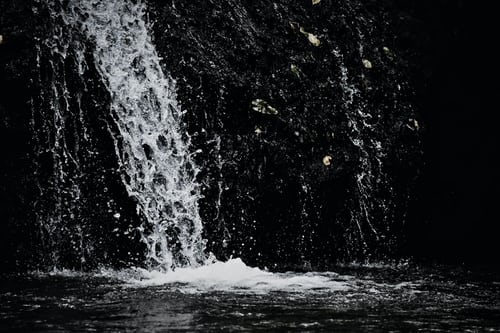
How can you follow the course of your life
if you do not let it flow
Lao Tzu quoted in Mark Nepo, The Book of Awakening

In Tibetan Buddhism there’s a set of teachings for cultivating compassion called mind training, or lojong. One of the lojong teachings is, “Whichever of the two occurs, be patient.” This means if a painful situation occurs, be patient, and if a pleasant situation occurs, be patient.
This is an interesting point. Usually, we jump all the time; whether it’s pain or pleasure, we want resolution. So if we’re happy and something is great, we could also be patient then, and not fill up the space, going a million miles an hour —impulse shopping, impulse talking, impulse acting out.
Pema Chodron

When we find ourselves at a crossroads it is often better to stop, wait a while at the lights and check the map. After all, movement isn’t progress if we are heading in the wrong direction.
Matt Haig, The Comfort Book

Everyone gets sick sometimes,
feels bad sometimes.
This is not a hindrance to Dhamma practice.
The hindrance is to take it personally.
Ajahn Sucitto

