The basic practice

The basic practice is how to enjoy — how to enjoy walking and sitting and eating and showering. It’s possible to enjoy every one, but our society is organized in such a way that we don’t have time to enjoy. We have to do everything too quickly…. There are two things: to be and to do. Don’t think too much about to do — to be is first. To be peace. To be joy. To be happiness. And then to do joy, to do happiness — on the basis of being. So first you have to focus on the practice of being. Being fresh. Being peaceful. Being attentive. Being generous. Being compassionate. This is the basic practice.

Thich Nhat Hahn

This will never come again

That it will never come again, Is what makes life so sweet. Emily Dickenson

What exactly is Emily Dickenson writing about. She’s writing about just this.  This wonderful, clear, bright, blue day. It won’t come again. There will be other, very similar days, no doubt. But this day will not return. And you sitting here reading this, you will not sit down in this same way, with these same thoughts and feelings. None of this will be the same again. Even as you set down this book and leave the room, you’ll not be the person who walked in. This will never come again. This is always the case. That this will never come again is what it actually means to be born again and again. We and indeed the whole world are born repeatedly, over and over, in each new moment…What makes human life – which is inseparable from this moment – so precious, is its fleeting nature.

Steve Hagan, Buddhism is Not what You Think

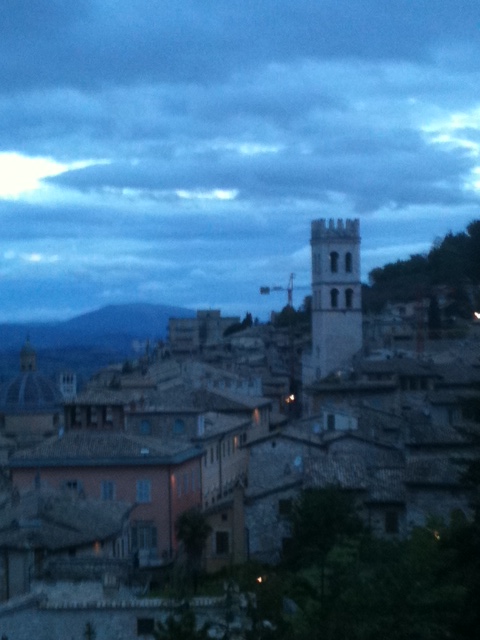
Photo : Assisi, Early Morning, Easter

One time, one meeting

There is a phrase which is associated  with the Japanese tea ceremony  –  Ichigo ichie  – which means something like “one time, one encounter.” . It is a nice motto to take for today. It reminds us to treasure every moment, because each moment and each  meeting will happen only once and never recur again. So whether having a simple cup of tea or coffee, or meeting someone we know well, or going a familiar way,  let us try to keep the phrase in mind. We will not pass this way again.


Walking right beside us

In Italy, today –  the Monday after Easter Sunday – is known as La Pasquetta (“Little Easter”) or Lunedì dell’Angelo (“The Monday of the Angel”). Ir is a day for relaxing outside, for going for a walk and having a picnic. It probably has it roots in ancient Spring festivals, when people would gather outdoors to celebrate. It was a day when a journey, a walk, or even a drive in the car had to be made. The religious meaning given to it, at least as it was explained to me, was to remember the journey made by Jesus’ two disciples on the road to Emmaus on Easter Day.

These two disciples set out on Sunday for the village of Emmaus, a walk of a few days. As they were going along, Jesus joined them. They did not recognize him. They were replaying the events of the past – the days of the Crucifixion – and were worrying about what was to happen to them. Their concerns and chatter, their fear-driven desire to run away, did not allow them recognize that God was actually walking with them. In this way, they are just like us, caught in worries about the past, or running away or basing our view of the future on fears. Like us, we often fail to recognize the richness of our life lies in the present moment, when all we can experience is right with us. Often, to be fully alive, all we have to do is see what is being offered to us, right in this moment, rather than thinking our joy lies somewhere else, sometime else. It is sad if we are so focused on getting to a destination, we do not notice what is right beside us now.

The present moment
contains past and future.
The secret of transformation,
is in the way we handle this very moment.

Thich Nhat Hahn, Understanding Our Mind
More on eyes being opened.

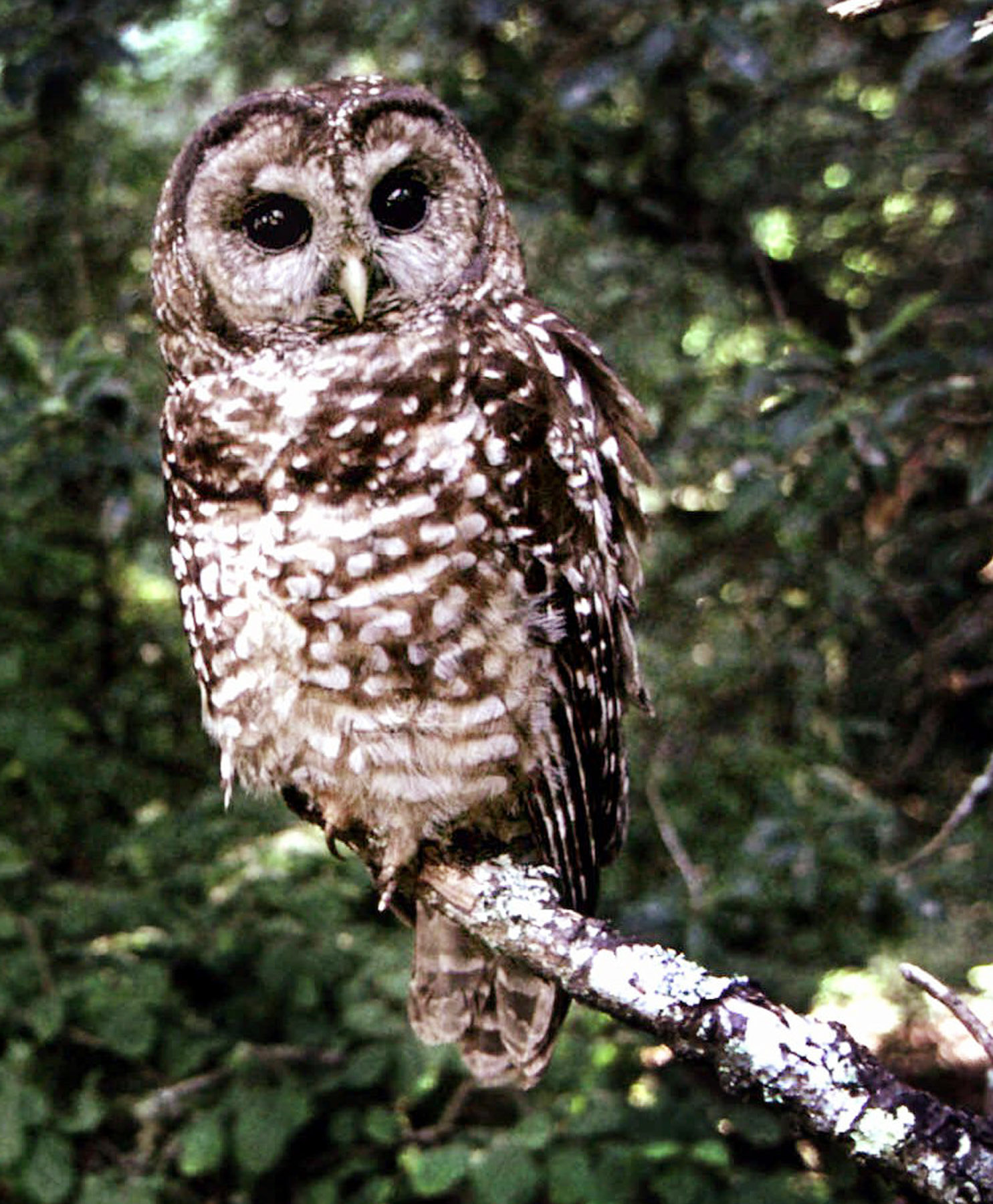
The present moment, like the spotted owl or the sea turtle, has become an endangered species. Yet more and more I find that dwelling in the present moment, in the face of everything that would call us out of it, is our highest spiritual discipline. More boldly, I would say that our very presentness is our salvation; the present moment, entered into fully, is our gateway to eternal life.

Philip Simmons,  Learning to Fall

Contemplation is related to art, to worship, to charity: all these reach out by intuition and self-dedication into the realms that transcend the material conduct of everyday life. Or rather, in the midst of ordinary life itself they seek and find a new and transcendent meaning. And by this meaning, they transfigure the whole of life.

Thomas Merton.

Allowing ourselves be surprised …

In this poem e.e Cummings pushes  the English language in an attempt to capture the life he feels, so much so that the words almost seem to have difficulty fitting in. He sees the vibrancy of growth and life all around in nature and expresses this in lines which rush from one  into the next. The last two lines well express the richness that we feel when we start to pay greater attention to all the things which surround us each day.

i thank You God for most this amazing
day: for the leaping greenly spirits of trees
and a blue true dream of sky; and for everything
which is natural which is infinite which is yes

(i who have died am alive again today,
and this is the sun’s birthday; this is the birth
day of life and of love and wings: and of the gay
great happening illimitably earth)

how should tasting touching hearing seeing
breathing any – lifted from the no
of all nothing – human merely being
doubt unimaginable You?

(now the ears of my ears awake and
now the eyes of my eyes are opened)

e.e.cummings