Keeping our attention firm, no matter what experiences we have

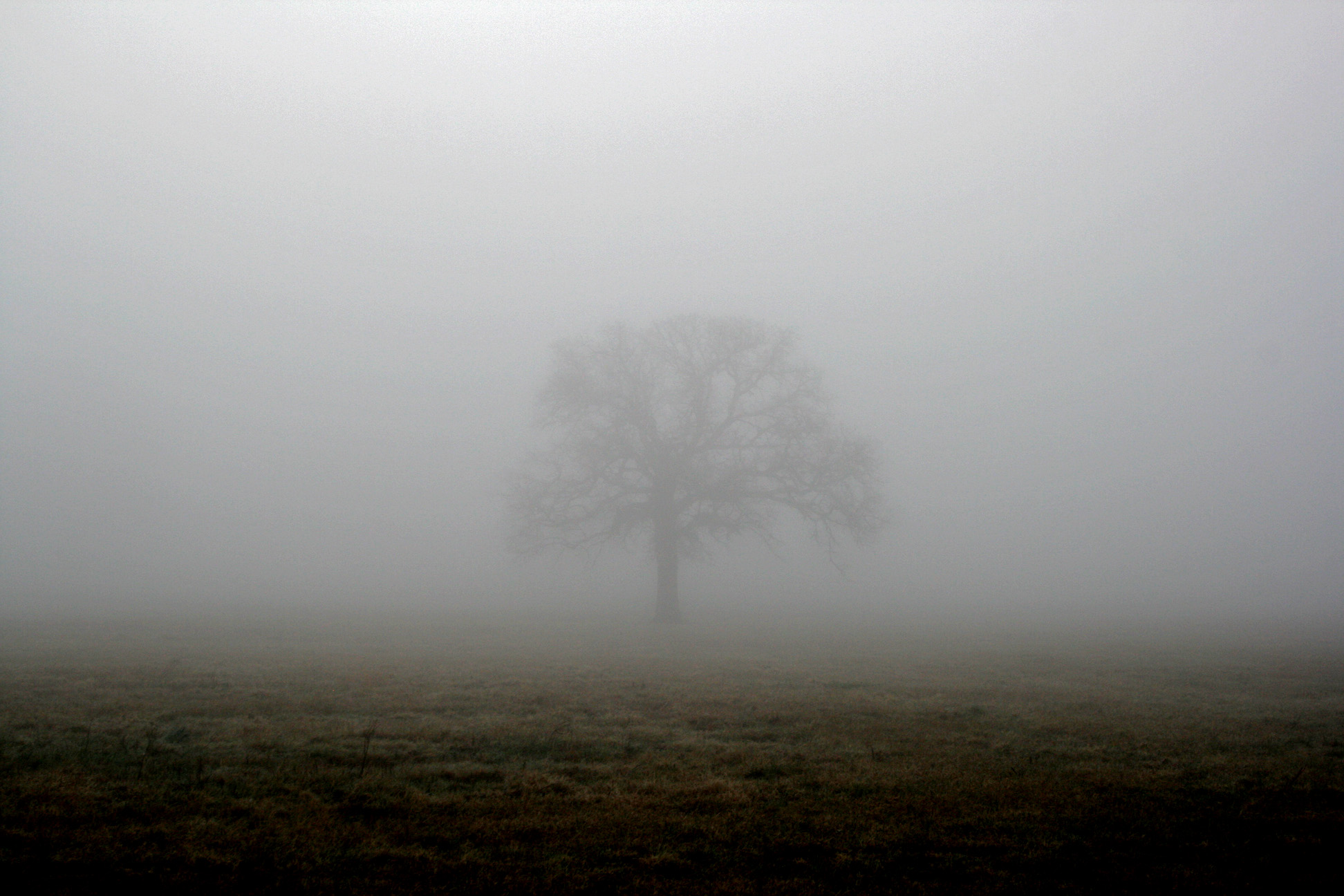
Sometimes you may feel that you have amazing, tremendous meditation, and at other times you may feel that you have no meditation at all. This characterizes experience, which fluctuates a great deal. Realization, which is distinct from experience, does not change, but experiences can fluctuate a great deal or alternate between good and bad. There will still be times when you will have what you regard as good experiences and, in contrast, what you regard as bad experiences. When that occurs, just keep on looking. Don’t get distracted or sidetracked by the experience. Whatever meditation experience arises, you should recognize that it is transitory. As is said, “meditation experience is like mist, it will surely vanish.”

Khenchen Thrangu Rinpoche
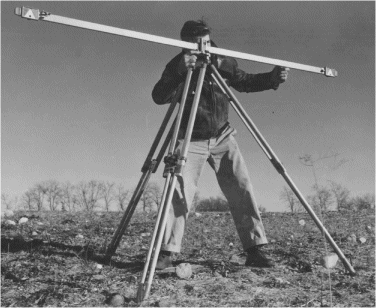
Which angle will you take this afternoon, this weekend?

What is life but an angle of vision?    A person is measured by the angle at which he looks at objects. Ralph Waldo Emerson

The basis for equanimity is called “wise attention”, namely,  recognizing the power of our own attention and the crucial importance of how we relate to events. Wise attention is the antidote to the delusional thinking that replaces our direct experiences with projections and interpretations. Equanimity is central to this state of non-delusion, because it does not resist the truth of what is happening. It’s spacious enough to see happiness as happiness and suffering as suffering, without judgments or attempts to control them

Sharon Salzberg, Equanimity

Taking today as it is, how it is

Meditation is not about trying to get anywhere else.

It is about allowing yourself to be exactly where you are and as you are,

and the world exactly as it is in this moment , as well

Jon Kabat Zinn

Bare Attention

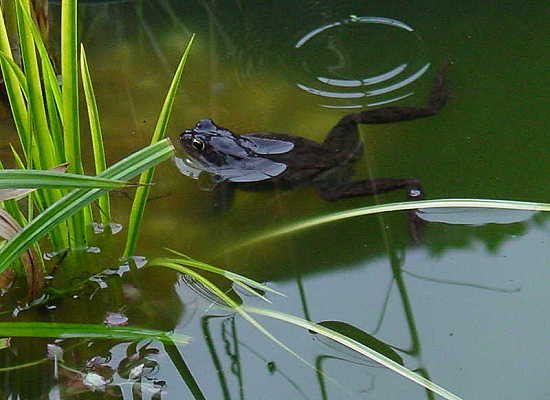
The Old Pond. A Frog jumps in. Plop. Matsuo Bash0, 1644 – 1694

How do we tame our minds? How do we train ourselves to stay open to our experience from moment to moment? The answer lies in the mind state called  “bare attention”. “Bare” means simple, direct, without trappings of judgment or interpretation. “Attention” means mindfulness, awareness; not forgetting to be present. A famous Zen haiku reads: “The old Pond. A Frog jumps in. Plop”

This is a wonderful description of bare attention. The old pond is not necessarily beautiful or covered with lily pods or green or blue. The poet, Basho, goes directly to the essence of his experience: the pond, frog, plop. We can say that in meditation we are developing “plop mind”. We are stripping away everything that is extraneous to our immediate experience and simply being present with what is happening. This is bare attention: direct, essential, noninterfering.

Joseph Goldstein, Bare Attention

Remember, when stressed today…

 
Sometimes the most important thing
in a whole day
is the rest we take between two deep breaths.
 
Etty Hillesum
 

Creating ourselves by our choices

Michelangelo stated that his sculptures were already present in the stone and all he had to do was carve away everything else. Our understanding of identity is often similar: Beneath the many layers of shoulds and shouldn’ts that cover us, there lies a constant single true self that is just waiting to be discovered. We think of the process as a personal excavation. We dig deep, getting under the surface, throwing away the extraneous, to reveal our everlasting self. And the tool by which we unearth this piece de resistance is none other than choice. Your choices of which clothes to wear or which soda to drink, where you live, which school to attend or what to study, and of course your profession all say something about you, and its your job to make sure that they are an accurate reflection of who you are.

Shena Iyengar, The Art of Choosing