
True meditation is making everything — coughing, swallowing, waving, movement and stillness, speaking and acting, good and evil, fame and shame, loss and gain, right and wrong — into one single koan.
Hakuin, Zen teacher, 1685 – 1768.
photo russavia
True meditation is making everything — coughing, swallowing, waving, movement and stillness, speaking and acting, good and evil, fame and shame, loss and gain, right and wrong — into one single koan.
Hakuin, Zen teacher, 1685 – 1768.
photo russavia


Every day of your life, every morning of your life, you could ask yourself, “As I go into this day, what is the most important thing? What is the best use of this day?” At my age, it’s kind of scary when I go to bed at night and I look back at the day, and it seems like it passed in the snap of a finger. That was a whole day? What did I do with it? Did I move any closer to being more compassionate, loving, and caring — to being fully awake? Is my mind more open? What did I actually do? I feel how little time there is and how important it is how we spend our time. What is the best use of each day of our lives? In one very short day, each of us could become more sane, more compassionate, more tender, more in touch with the dream-like quality of reality. Or we could bury all these qualities and get more in touch with solid mind, retreating more into our own cocoon.
Pema Chodron, Waking up to your World
photo of sun rising over the Corrib river, Galway, by tom murphy
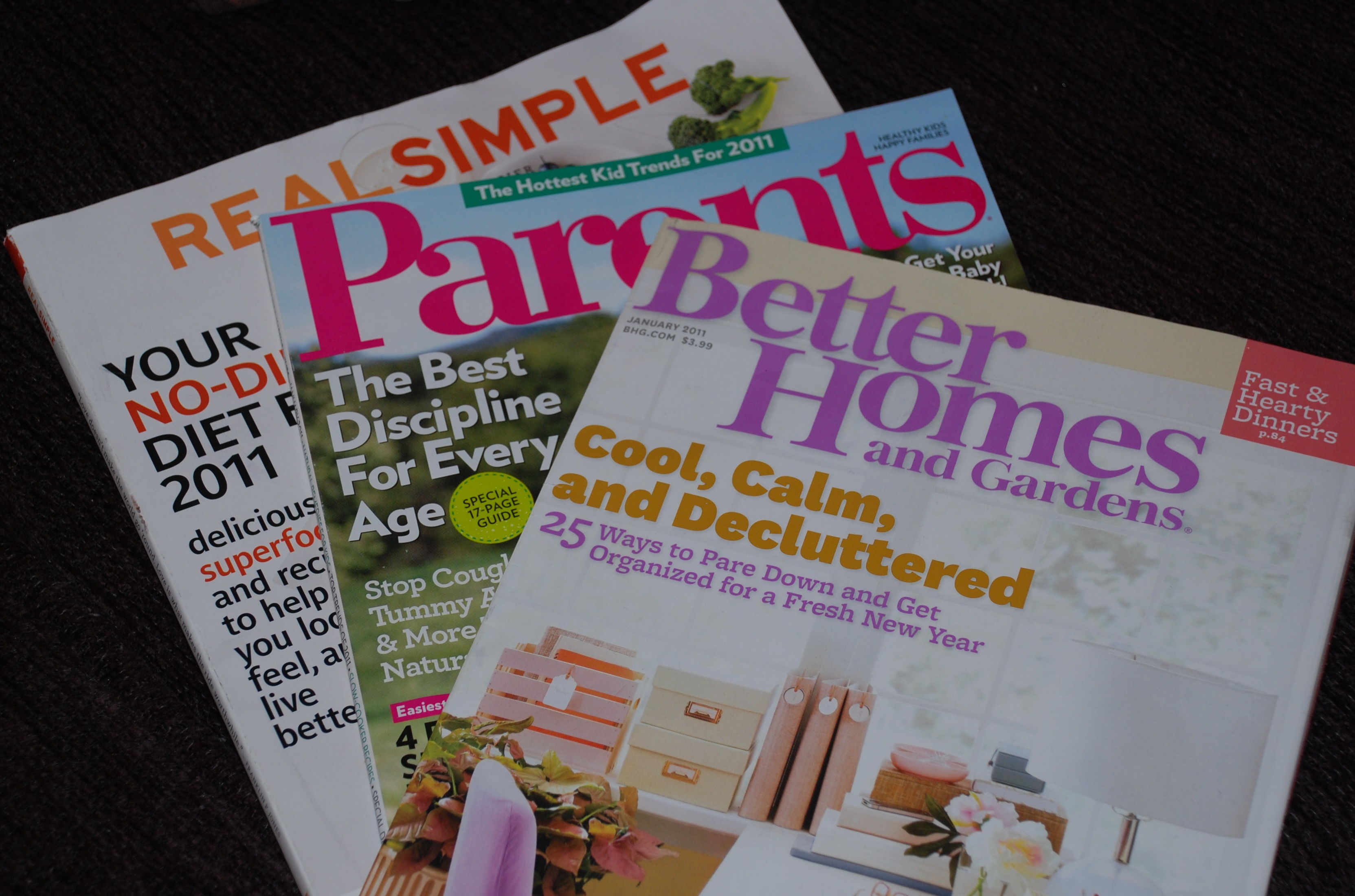
A new home decoration show starts on the Irish television channel this evening. The popularity of shows like this at the moment – or ones which look at houses abroad or down the country – and which start when people are a bit down after the Summer holidays, can fuel the anxious, comparing mind. Even how you decorate your home becomes a sign of how well you are doing, or another way to feel that you do not match up:
The need to be normal is the predominant anxiety disorder
in modern life.
Thomas Moore, Original Self

The simple practice of sitting still or steady walking bring you to a firmer place in yourself, your still centre. This is because “mind” is a mixture of heart and brain functions, in which the heart is predominantly involved with the steady receptivity we call mindfulness and clear comprehension. The heart is not just a metaphor for emotions and perceptions. So when we “tune in” to a still body or to the rhythm of breathing, the message we receive is that things are fine and the brain quietens down. This is the often overlooked function of the heart: it is a major contributor to direct experience (rather than figured out, learned or abstract knowledge).
Ajahn Sucitto, Meditation, A Way of Awakening

When you say “I think,” it is often not you who think, but “they” –
it is the anonymous authority of the collectivity speaking through your mask.
Thomas Merton
 Mindfulbalance