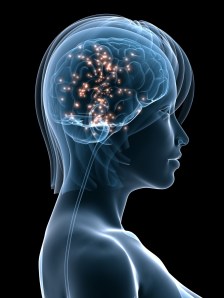
 Meditation appears to be a powerful mental exercise with the potential to change the physical structure of the brain at large. Eileen Luders, UCLA
There is a lot of anecdotal evidence where people say that meditation helps them feel more relaxed, peaceful, and focused. However, it is good to find clinical research which backs up some of this evidence with studies on physical changes to the brain. I posted recently on the ongoing work of Sara Lazar and her lab at Harvard who have documented changes in the brain’s gray matter after just the 8 weeks of mindfulness meditation in the MBSR Course. Now a new study has been published in UCLA which suggests that people who meditate have stronger connections between brain regions and show less age-related brain atrophy.
Two years ago, the research team, led by Eileen Luders, visiting assistant professor at the UCLA Laboratory of Neuro Imaging, found that specific regions in the brains of long-term meditators were larger and had more gray matter than the brains of individuals in a control group. This suggested that meditation may indeed be good for all of us since brains shrink naturally with age. Now, in a follow-up study, published in the current edition of the journal NeuroImage, they have found that meditation strengthen brain connections , which influences the ability to rapidly relay electrical signals in the brain. And significantly, these effects are evident throughout the entire brain, not just in specific areas.
Luders used a new type of brain imaging known as diffusion tensor imaging, ( DTI), that allows insights into the structural connectivity of the brain. They found that the differences between meditators and controls are not confined to a particular core region of the brain but involve large-scale networks that include the frontal, temporal, parietal and occipital lobes and the anterior corpus callosum, as well as limbic structures and the brain stem. They looked at 27 active meditation practitioners, men and women, (average age 52), who were matched by age and sex with 27 non-meditators. The meditators had been practicing for a number of years, anywhere between 5 to 46.
The results led Luders to state: Our results suggest that long-term meditators have white-matter fibers that are either more numerous, more dense or more insulated throughout the brain. We also found that the normal age-related decline of white-matter tissue is considerably reduced in active meditation practitioners. [Therefore]…. It is possible that actively meditating, especially over a long period of time, can induce changes on a micro-anatomical level.
It is, of course possible, that the brains of meditators were already different to begin with, even before they started practice. However, the fact that 100% of the trial group showed the same characteristics suggests that it is statistically unlikely that this condition was an antecedent fact. Indeed, Luders work suggests that meditation acts as a type of mental fitness, causing alterations to the structure as well as the functioning of the brain, and slowing down the aging decay that occurs there.
 “Wanting” is a universal phenomenon, and our mental list of what we want is seemingly endless. We wake up in the morning and ask “What do I want today? What do I want to eat, what do I want to buy, how much do I want” Wanting, when it goes beyond our basic, ordinary needs, is an expression of a longing for something either more than or different from what we already have,. There is a sense of being fundamentally unfulfilled. It is well worth looking more deeply into the nature of wanting, recognizing how you know wanting is there, and naming it. When you become familiar with recognizing and naming wanting, then it will become easier to notice when are captured, and therefore you will more likely be able to free yourself. The practice fo mindfulness is a fundamental way of becoming more familiar with your mind, and getting used to observing how mind states arise, are noted, and then dissolve. With practice you can become better at noticing the “I want” state of mind, letting it arise, and letting it go.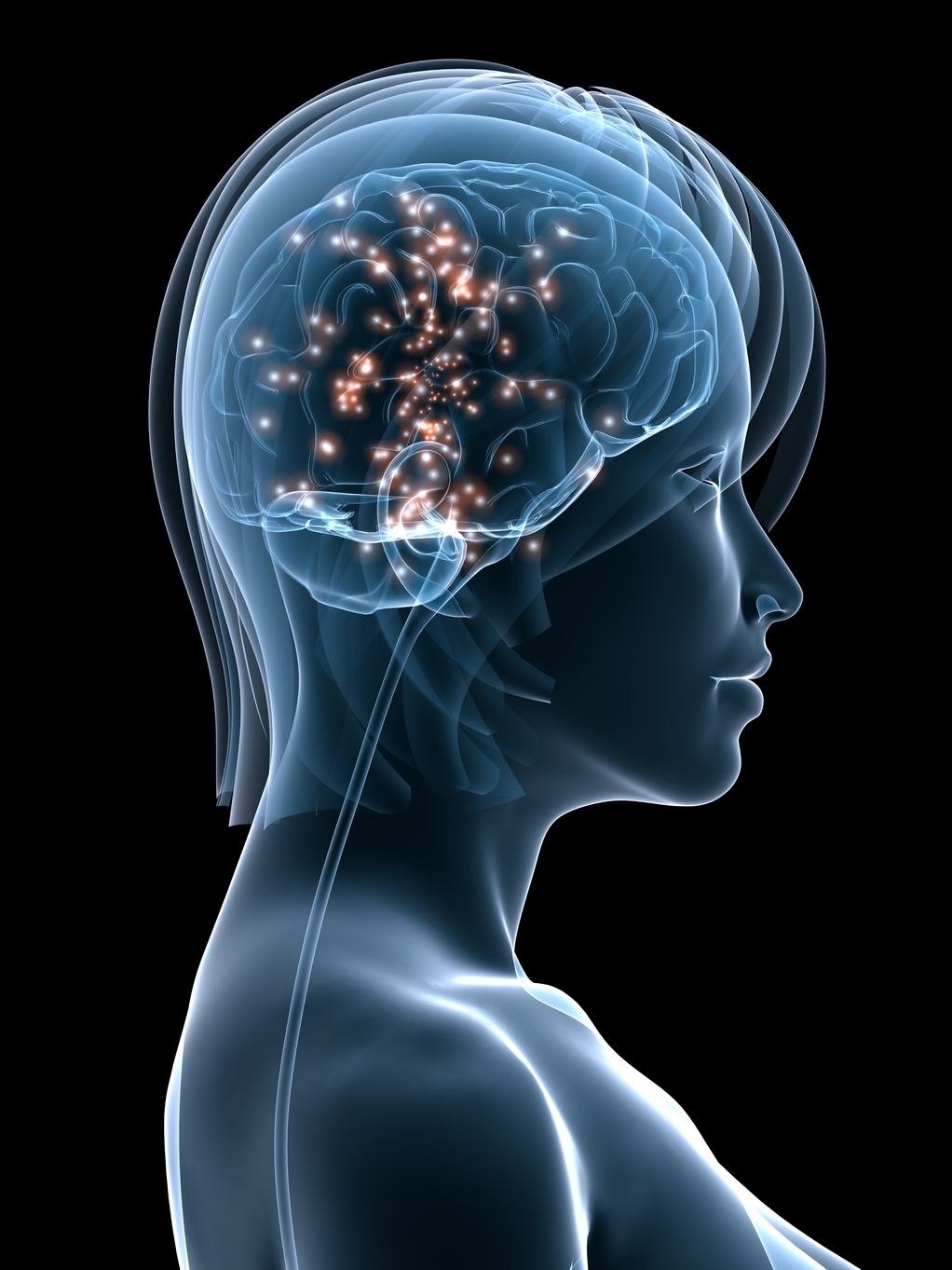



 Mindfulbalance