Getting to know you

Meditation, whatever method you are using, is simply getting to know your mind. It is not about meditating ‘on’ something or getting into a zone where you are blissfully removed from your mind’s contents.

Instead, the actual meaning of meditation is more like getting used to being with your own mind.

Dzogchen Ponlop Rinpoche

Always commenting, observing, judging

It continually strikes me how difficult it is just to allow things be, and not add on a layer of commentary or anticipation about them. Maybe it is because our brains are disposed toward negative experiences and are always vigilant for possible threats, as Rick Hanson’s excellent book, The Buddha’s Brain tells us. So we are disposed to have a background hum of anxiety, and find it hard to just relax.  This means we create scenarios about potential futures, some of which never actually happen. Whatever the reason,  I was made aware of it this morning in a phonecall which left me troubled.

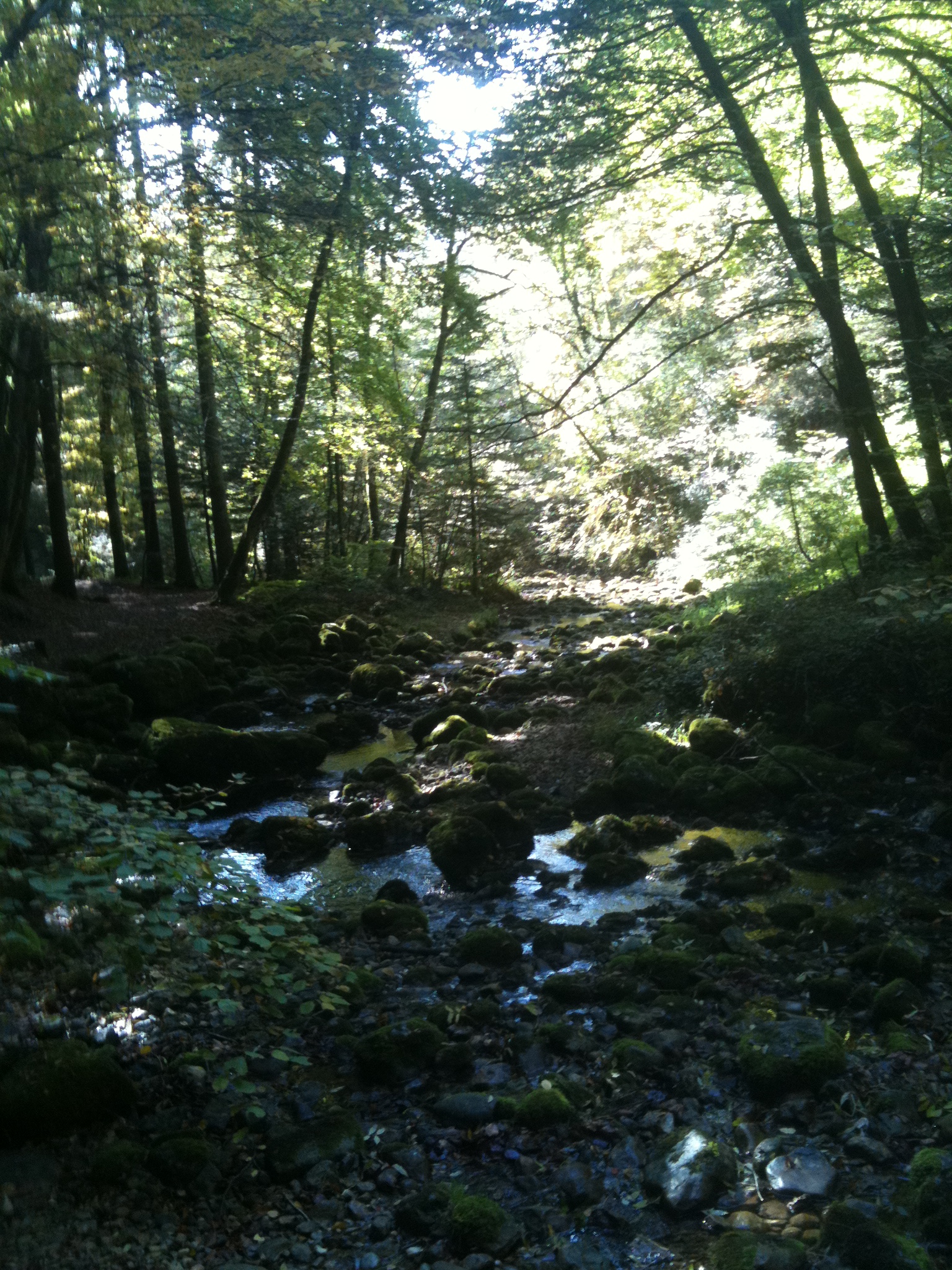
Afterwards I went for a walk in the beautiful woods near the source of the Allondon river. As I sat and listened to the sound of the water I was struck by how nature just does not worry about the meaning of life or the implications of its actions. It is not continually analyzing or counting. It is just faithful to its being. The river flows, the leaves fall, the seasons pass without the need to stand outside and observe their action. It is harder for us. Our minds are continually seeking active involvement with something. One instant, they run outward toward something, the next moment, they turn inward and away. Our practice is to try and develop stability and constancy in the mind, our capacity to simply be with life, and not always to think about it. As Pema Chodron reminds us, we cannot be in the present moment and run our storylines at the same time.

We tend to run our whole life trying to avoid all that hurts or displeases us, noticing the objects, people, or situations that we think will give us pain or pleasure, avoiding one and pursuing the other. Without exception, we all do this. We remain separate from our life, looking at it, analyzing it, judging it, seeking to answer the questions, ‘What am I going to get out of it? Is it going to give me pleasure or comfort or should I run away from it?” We do this from morning until night.

Charlotte Joko Beck

Exaggerating or denying

A similar quote on meditation to yesterday morning’s one, noticing the tendency of the mind to use different strategies for avoiding simple, direct contact with life as it actually is. We prefer exaggerating our stories about life, often, to how things actually are. The mind likes to produce simulations of future or current events in our life, often making the anticipated difficulty seem bigger than it actually is:

Meditation practice provides  provides the perfect context for observing our beliefs and recognizing the tug-of-war we have with our experience. Just sit quietly for five minutes and watch what happens. Unless we have some accomplishment in meditation, we won’t know what to do with all the activity. We become overwhelmed by the energetic play of the mind, pummeled by our own thoughts and emotions, bewildered by our inability to sit in peace. We will want to do something. And we really only have two means of escape from all this mayhem: we can either spin out into thought, which is an exaggeration of reality, or we can suppress or deny it.

Exaggeration and denial describe the dilemma we have with mind, and not just in meditation. Exaggeration and denial operate in conjunction with all our fantasies, hopes, and fears. When we exaggerate experience, we see what isn’t there. And when we deny it, we don’t see what is. Both exaggeration and denial are extraneous to the true nature of things, the nature we experience when we can just stay present.

Elizabeth Mattis-Namgyel, The Power of an Open Question

As close to real as we can be

Things that are real pose no danger to the mind. The real dangers in the mind are our delusions, the things we make up, the things we use to cover up reality, the stories, the preconceived notions we impose on things. When we’re trying to live in those stories and notions, reality is threatening. It’s always exposing the cracks in our ideas, the cracks in our ignorance, the cracks in our desires. As long as we identify with those make-believe desires, we find that threatening. But if we learn to become real people ourselves, then reality poses no dangers.

This is what the meditation is for, teaching yourself how to be real, to get in touch with what’s really going on, to look at your sense of who you are and take it apart in terms of what it really is, to look at the things that you find threatening in your life and see what they really are. When you really look, you see the truth. If you’re true in your looking, the truth appears.

Thanissaro Bhikkhu

Allowing ourselves some quiet in our busy lives

Finding quiet time isn’t a luxury; it’s essential for protecting our health.  It allows us to rest the body and the mind in a world that increasingly values speed and distraction.

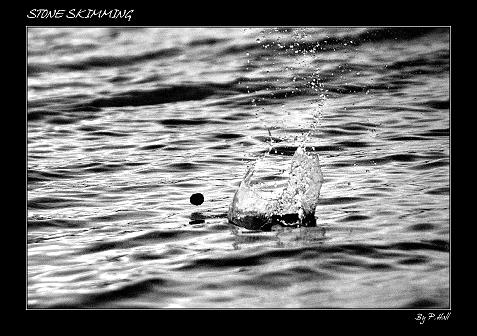
After a pebble touches the surface of the river, it allows itself to sink slowly. It will reach the bed of the river without any effort. Once the pebble is at the bottom of the river, it continues to rest. It allows the water to pass by.

I think the pebble reaches the bed of the river by the shortest path because
it allows itself to fall without making any effort. During our sitting meditation we can allow ourselves to rest like a pebble. We can allow ourselves to sink naturally without
effort to the position of sitting, the position of resting.

Resting is a very important practice; we have to learn the art of resting. Resting is the first part of meditation. You should allow your body and your mind to rest. Our mind as well as our body needs to rest. The problem is that not many of us know how to allow our body and mind to rest. We are always struggling; struggling has
become a kind of habit.

When an animal in the jungle is wounded, it knows how to find a quiet place, lie down and do nothing. The animal knows that is the only way to get healed-to lay down and just rest, not thinking of anything, including hunting and eating.  What it needs is to rest, to do nothing, and that is why its health is restored.  In our consciousness there are wounds also, lots of pains. Our consciousness also needs to rest in order to restore itself. Our consciousness is just like our body. Our body knows how to heal itself if we allow it the chance to do so.

Thich Nhat Hahn

Looking forward

Hope is a dimension of the soul … an orientation of the spirit, an orientation of the heart. It transcends the world that is immediately experienced and is anchored somewhere beyond its horizons. … It is not the conviction that something will turn out well, but the certainty that something makes sense regardless of how it turns out.

Vaclav Havel