On change and constancy

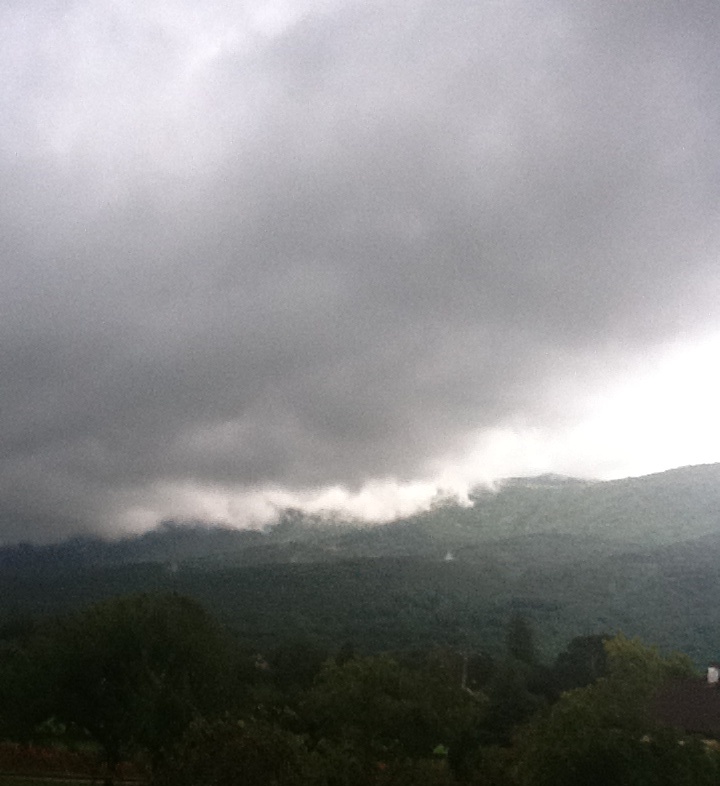
There has been very changeable, even cold, weather these past few weeks, and, as the photo shows, this morning stayed faithful to that, dawning grey and stormy on the Jura. As I have written before, looking at the weather is good practice, especially when it turns unpredictable, as it has been this Summer. Firstly, it helps us remember that there are many things which  happen in our lives – the weather, the behaviour of others, or  illness, for example—that we cannot  control. Thus we place our focus on the things which are within our control –  in the areas where we can train stability and constancy –  and do not waste energy on what we cannot influence. Setting aside some time in the day and in the week when we can rest and deepen our capacity to be focused is one way of doing that. The second lesson we can learn on a morning like this is somewhat the opposite – how to keep ourselves fluid in the areas that we do not want to make solid. Thus, whenever we notice that we are making certain emotions or judgments fixed and unchanging, we let go of them. Especially when we notice firm negative thoughts about ourselves – which normally flag themselves by beginning with words such as  “I always…” or “I am never able to”… – we can go back to the impermanence of the weather and remind ourselves that all things change. Then we can be kind to ourselves by realizing that this applies to us as well. We can let such thoughts pass through, just being aware of them, or hold fearful emotions more lightly, knowing they do not define us or how we are doing in our life.


Sunday Quote: Becoming what we repeatedly do


We become just by performing just actions,

temperate by performing temperate actions,

brave by performing brave actions.

Aristotle

Not believing our fears

Fear is so fundamental to the human condition that all the great spiritual traditions originate in an effort to overcome its effects on our lives. With different words, they all proclaim the same core message: “Be not afraid.” . . . . It is important to note with care what that core teaching does and does not say. “Be not afraid” does not say that we should not have fears — and if it did, we could dismiss it as an impossible counsel of perfection. Instead, it says that we do not need to be our fears, quite a different proposition.

Parker Palmer.

Seeing thoughts as less substantial…

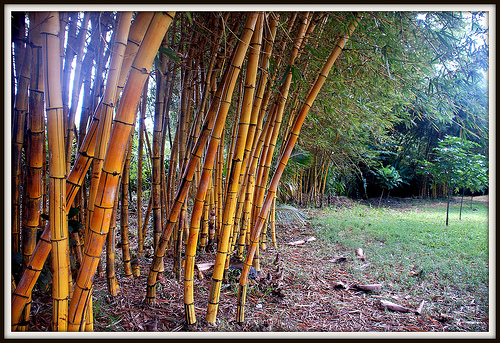
The wind whistles in the bamboo and the bamboo dances.

When the wind stops, the bamboo grows still.

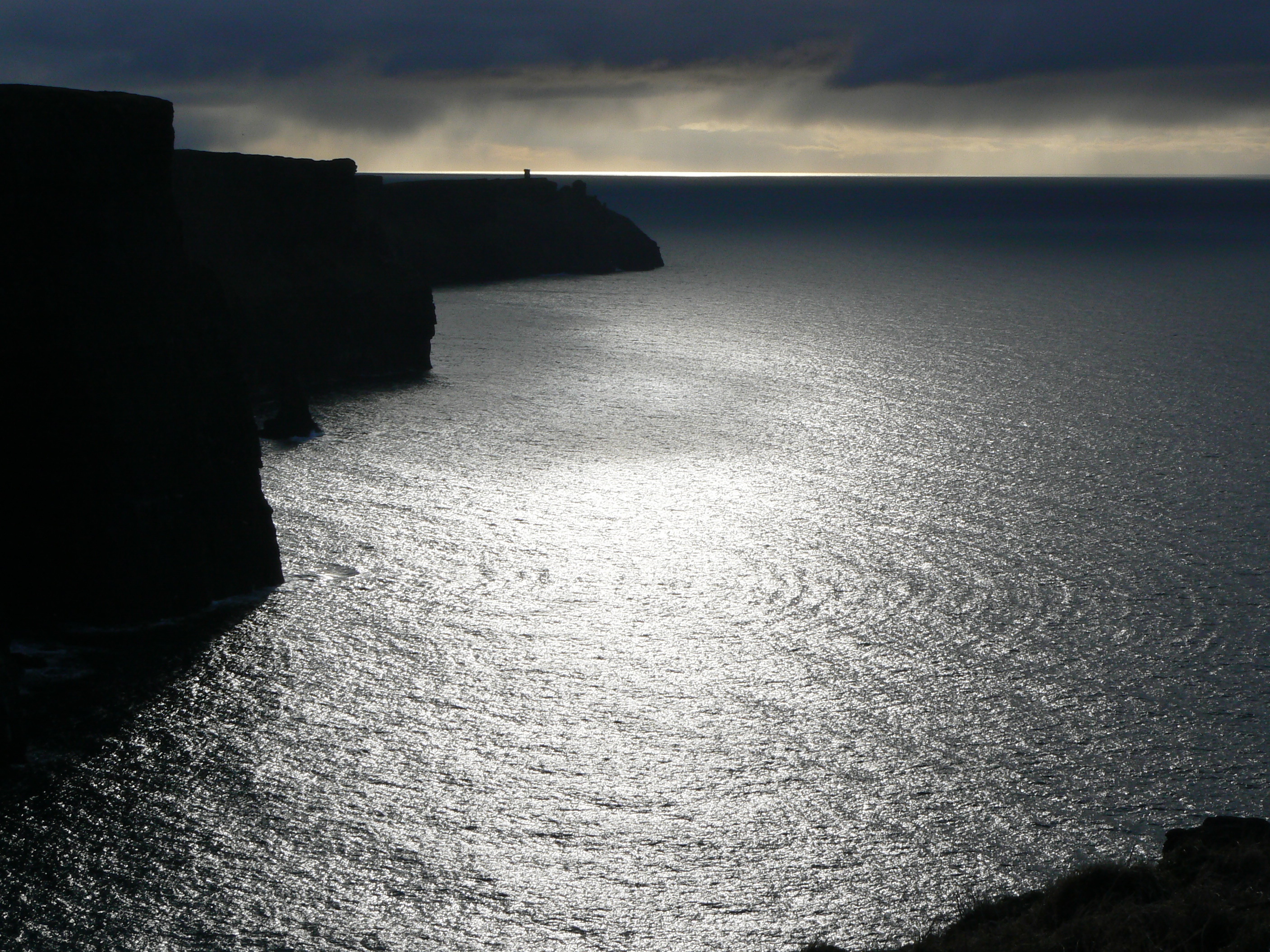
A silver bird flies over the autumn lake.

When it has passed,

the lake’s surface does not try to hold on to the image of the bird.

Huong Hai

Fearlessness

True fearlessness is wise action, not false bravado or blind reactivity. It requires that we take time and exercise discernment. Zen teacher Joan Halifax speaks about the “practice of non-denial.” When we feel afraid, we don’t deny the fear. Instead, we acknowledge that we’re scared. But we don’t flee. We stay where we are and bravely encounter our fear. We turn toward it, we become curious about it, its causes, its dimensions. We keep moving closer, until we’re in relationship with it. And then, fear changes. Most often, it disappears. [There are] many quotes from different traditions that speak to this wonder of fear dissolving. “If you can’t get out of it, get into it.” “The only way out is through.” “Put your head in the mouth of the demon, and the demon disappears.”

Margaret Wheatley, Can I be Fearless?

Prolonging the gap

It does not really get explained any more simply than this:

One day when our master Jamyang Khyentse was watching a lama dance in front of the Palace Temple in Gangtok…he was chuckling at the antics of the … clown who provides light entertainment between dances. [A Student] Ana Pant kept pestering him, asking him again and again how to meditate, so this time when my master replied, it was in such a way as to let him know that he was telling him once and for all: “Look, it’s like this: When the past thought has ceased, and the future thought has not yet risen, isn’t there a gap?” “Yes” said Ana Pant. “Well,  prolong it. That is meditation”.

Sogyal Rinpoche, Glimpse after Glimpse.