Everything comes down to how we work with time

Everything comes down to time in the end – to the passing of time, to changing. Ever thought of that? Anything that makes you happy or sad, isn’t it all based on minutes going by? Isn’t happiness expecting something time is going to bring you? Isn’t sadness wishing time back again? 

Anne Tyler, Dinner at the Homesick Restaurant

Letting the breath be

We are all breathing. The first instruction is just to know that we are, not in an intellectual sense, but to be aware of the simple sensation of, the in-breath and the out-breath. Even in this instruction we are learning something extremely important, to allow the breathing follow its own nature, to breath itself. We are not trying to make the breath simple or keep it shallow. We are seeing how it is.That flies in the face of our lifelong conditioning to control, direct and orchestrate everything. We’re terrified of chaos, afraid that if we don’t keep things in their place they will all fall apart. Most of us are quite good at controlling, and what we’d really like is to be even better at it. Our tendency is to ride the breath, push it along, help it out…..

That isn’t the instruction. The instruction is to let it be, to surrender to the breathing. We are learning even in this first instruction the art of surrender.

Larry Rosenberg, Breath by Breath

Not out of reach

Our true nature is not some ideal that we have to live up to .

It’s who we are right now,

and that ‘s what we can make friends with and celebrate.

Pema Chodron

When you see fear today

When you are frightened by something, you have to relate with fear, explore why you are frightened, and develop some sense of conviction. You can actually look at fear. Then fear ceases to be the dominant situation that is going to defeat you. Fear can be conquered. You can be free from fear if you realize that fear is not the ogre. You can step on fear, and therefore, you can attain what is known as fearlessness. But that requires that, when you see fear, you smile.

Chogyam Trungpa Rinpoche

Always putting labels

All my life right and wrong, false and real,  tangled.

Playing with the moon, ridiculing wind, listening to birds….

Many years wasted seeing the mountain covered with snow.

This winter I suddenly realize snow makes a mountain.

Dogen

Giving the mind a break

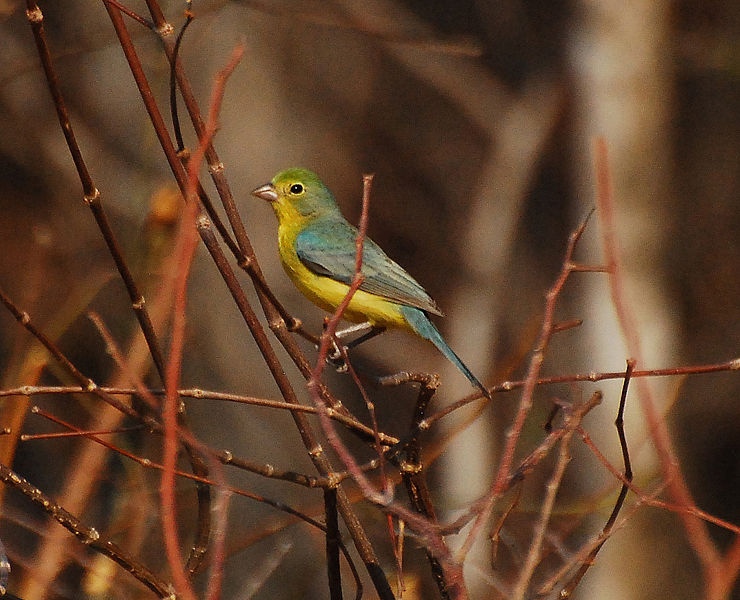
The first of the basic practices to which I was introduced as a child – which most teachers introduce to beginning students … is known as “shamatha”. “Shama” may be understood in a variety of ways, including “peace”, “rest” or “cooling down” from a state of mental, emotional or sensory excitement. Maybe a modern equivalent would be “chilling out”. In other words, “shamatha” means abiding in a state that is rested or “chilled out”, which allows the little bird to just sit on one branch for a while.

Most of us, when we look at something, hear something, or watch a thought or emotion, have some sort of judgment about the experience. This judgment can be understood in terms of three basic “branches”: the “I like it” branch, the “I don’t like it” branch or the “I don’t know” branch. Each of these branches spread out into smaller branches: “good” branch;  “bad” branch; “pleasant” branch; “unpleasant” branch; “I like it because…” branch; “I don’t like it because…” branch; “could be nice or not” branch; “could be good and bad, pleasant and unpleasant” branch; and the “neither good nor bad, pleasant nor unpleasant” branch. The possibilities presented by all these branches tempt the little bird to flutter between them, investigating each one.

The practice of shamatha involves letting go of our judgments and opinions and just looking at, or paying attention to, what we see from whatever branch we’re sitting on…. Rest there on one branch. Attending to our experience in this way allows us to distinguish our judgments and opinions from the simple experience of seeing.

Yongey Mingyour Rinpoche, Joyful Wisdom