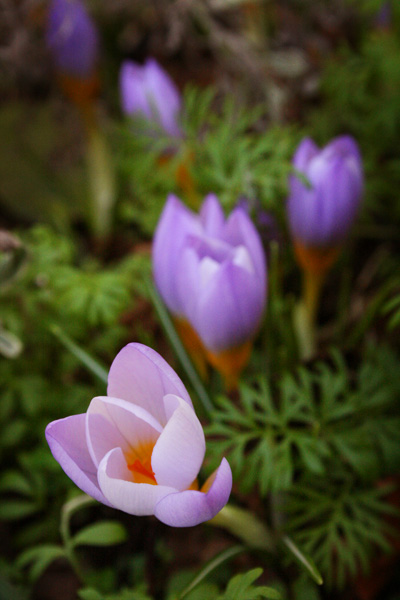
May you receive great encouragement
when new frontiers beckon.
May you take time to celebrate
the quiet miracles that seek no attention.
May you experience each day
as a sacred gift
woven around the heart of wonder.
John O’Donoghue, Benedictus
May you receive great encouragement
when new frontiers beckon.
May you take time to celebrate
the quiet miracles that seek no attention.
May you experience each day
as a sacred gift
woven around the heart of wonder.
John O’Donoghue, Benedictus
 Many poets are not poets for the same reason that many religious men are not saints: they never succeed in being themselves. They never get around to being the particular poet or the particular monk they are intended to be by God. They never become the man or the artist who is called for by all the circumstances of their individual lives. They waste their years in vain efforts to be some other poet, some other saint…They wear out their minds and bodies in a hopeless endeavor to have somebody else’s experiences or write somebody else’s poems.
Thomas Merton
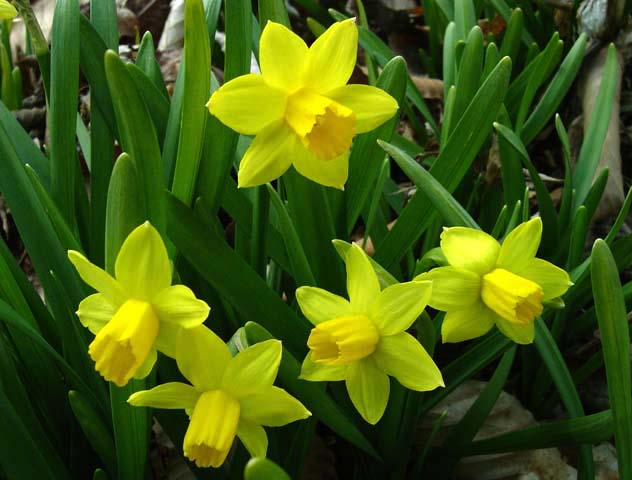 Today I rose early and the weather had cleared after yesterday’s rain. It was a lovely fresh morning, before the cloud and mist moved in again. The birds are beginning to sing again and there was a sense of light and joy. Bright mornings make it easy to feel clear and spacious within. And when we do, we find it not so difficult to be kind. It makes it possible to believe in the natural goodness deep inside us. However, even with bright starts on days like this we can still see that the mind has brief moments when it can get confused and dark. When a combination of circumstances come together that frighten us, we can become flustered and defensive. It is always interesting to see the mind’s capacity to wander from the way things are and live in thoughts and wonderings and wishing things were other, with the potential narrowing that this brings.
In sitting practice we are reminded to practice “starting over” – to return again and again to the breath when the mind wanders, without being harsh with ourselves. It is a lesson for life also. We frequently get distracted. We sometimes get lost. And then we wander away from the natural kindness that exists when we are calm. So the practice is to simply try to start over again, by dropping into this moment, noticing what we are doing, becoming conscious of the breath or of the sensations in our body. We do not need to add the extra judgment about how unworthy our behaviour makes us to the existing situation. We do not make a drama out of it. We acknowledge honestly and simply that we have gotten lost, or are in the wrong, and then go back to start over again.
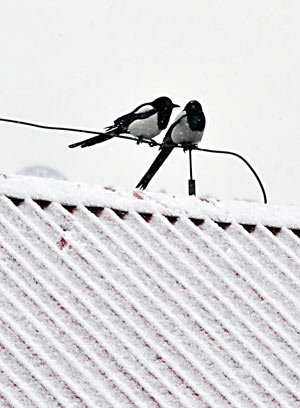
God sends ten thousand truths, which come about us like birds seeking inlet, but we are shut up to them, and so they bring us nothing, but sit and sing awhile upon the roof, and then fly away.
Henry Ward Beecher
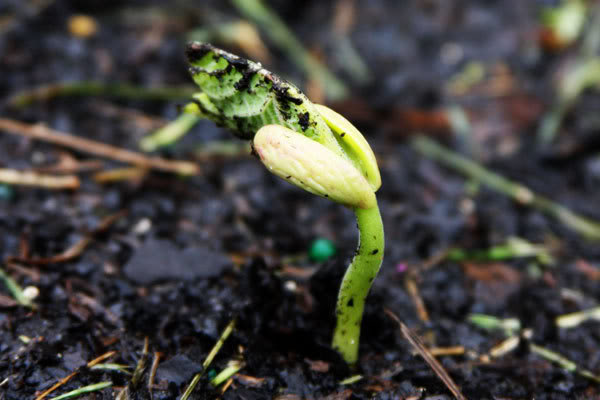
There is no such thing as an isolated event. Everything we experience, and the choices we make, impact on the way our life will be in the future. Thus, the best way to live a full life is to pay attention to and appreciate each passing moment, living them in kindness and openness, not closing the heart.
Every moment and every event of everyone’s life on earth plants something in their soul.
Thomas Merton
 Cheerfulness comes naturally with meditation. It is a quality of space created within the mind. When there’s space in the mind, the mind relaxes, and we feel a simple sense of delight. We experience the possibility of living a life in which we aren’t continuously bombarded by emotions, discursiveness and concepts about the nature of things. Lack of genuine cheerfulness is a result of claustrophobia in our mind and heart. There is simply too much going on; we feel overwhelmed and speedy. We were somehow under the impression that life was meant to be happy, and now we’re getting the short end of the stick. The harder we try to contort reality into our fantasy of happiness, the less happy we are, and the more chaotic our mind seems.
We can depend on random experiences to remind us of these truths, or we can go about it in a systematic way by engaging in a daily meditation practice. When we practice meditation, we are encouraging this natural state of cheerfulness. We don’t have to regard meditating as a somber activity; we can think of it as sitting there and being cheerful. We are using a technique to build clarity, strength and flexibility of mind. In training our mind in pliability and power, we’re learning to relax, to loosen up, so that we can change our attitude on a dime.
Sakyong Mipham Rinpoche

