Facing the unfelt parts

File:Bald Eagle Looking Forward (20266064642).jpg

For many of us, when our particular place of insecurity or woundedness is touched, we easily regress into the fullness of trance. At these times there seems to be no choice as to what we feel, think, say or do. Rather, we “go on automatic,” reacting in our most habitual way to defend ourselves, to cover over the rawness of our hurt. Yet, the very behaviors we use to keep us from pain only fuel our suffering. Not only do our escape strategies amplify the feeling that something is wrong with us, they stop us from attending to the very parts of ourselves that most need our attention to heal.

As Carl Jung states in one of his key insights, the unfaced and unfelt parts of our psyche are the source of all neurosis and suffering. The good news is that when we can learn to feel and face the fear and shame we habitually avoid,  with compassion, wisdom, and courage, we can begin to awaken from trance; we can begin to free ourselves to respond to our circumstances in ways that bring genuine peace and happiness.

Tara Brach, Radical Acceptance

photo eric kilby

Go through your vulnerability

File:Second Doorway.JPG

The only choice we have as we mature is how we inhabit our vulnerability, how we become larger and more courageous and more compassionate through our intimacy with disappearance, our choice is to inhabit vulnerability as generous citizens of loss, robustly and fully, or conversely, as misers and complainers, reluctant and fearful, always at the gates of existence, but never bravely and completely attempting to enter, never wanting to risk ourselves, never walking fully through the door.

David Whyte, Vulnerability

photo aditya maurya

Becoming free from those places we are stuck

File:Narrow gorge carved in the sandstone of Escalante Canyon, 05-1972. (6919674170).jpg

More on the desert theme which is central to Lent.

The original desert experience was that of the Hebrew slaves who escaped from Egypt. But Egypt has always been understood as more than just a place. Indeed the word for “Egypt” in Hebrew – Mitzraim – means “a narrow place.” So “going out from Egypt” can mean going from a narrow place where we are stuck, from repeating patterns of behaviour, from a sense of ourselves as weak or defective, to a wider sense,  a place where we are free. The desert is a symbol for the space to face what holds us back, which we often think cannot be changed and will keep us stuck forever: 

The only permanent thing about our behaviour patterns

is our belief that they are so

Moshe Feldenkrais 

Sunday Quote : Life is always changing

You live,

not by securing yourself against impermanence, 

but by finding yourself as impermanence

Michael Stone, Awake in the World

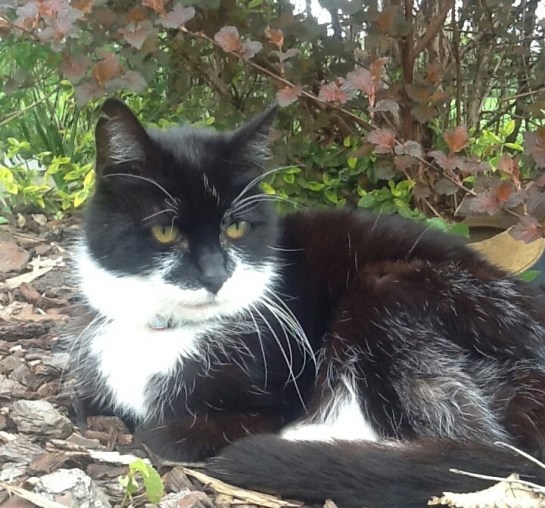
Our cat Barney  who died on Tuesday, aged 19

Saturday: Finding ourselves again

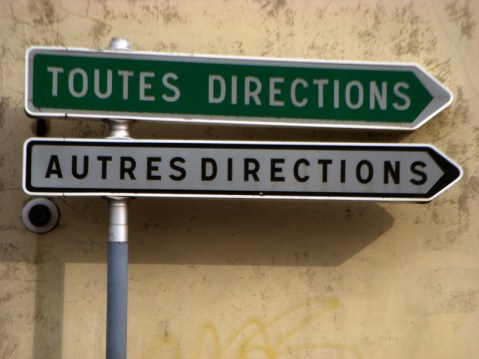
directions

One of the nice things about a Saturday after an intense week is that we can come back to ourselves, and find within us a centre that is always there, even when we lose sight of it:

I lost my way, I forgot to call on your name. The raw heart beat against the world, and the tears were for my lost victory. But you are here. You have always been here. The world is all forgetting, and the heart is a rage of directions, but your name unifies the heart, and the world is lifted into its place.

Blessed is the one who waits in the traveller’s heart for his turning

Leonard Cohen, Poem#50 from The Book of Mercy

Today…Just let it be

File:Hands and the Hat (8222190418).jpg

An inner voice asked, ‘What would happen if, in this moment, I didn’t try to do anything, to make anything different?’ I immediately felt the visceral grip of fear and then a familiar sinking hole of shame – the very feelings I had been trying to avoid for as long as I could remember.

But then the same inner voice whispered very quietly, familiar refrain, ‘Just let it be.

Tara Brach

photo alex proimos