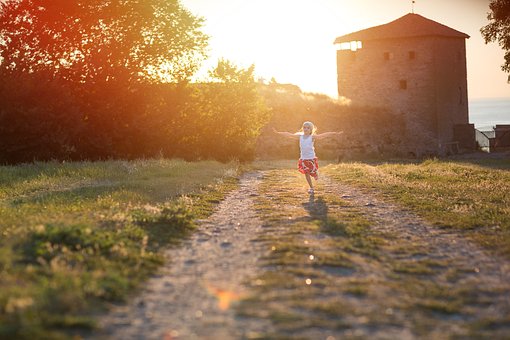
The aim of life is to live,
and to live means to be awake, joyously, drunkenly, serenely, divinely awake.
Henry Miller
The aim of life is to live,
and to live means to be awake, joyously, drunkenly, serenely, divinely awake.
Henry Miller
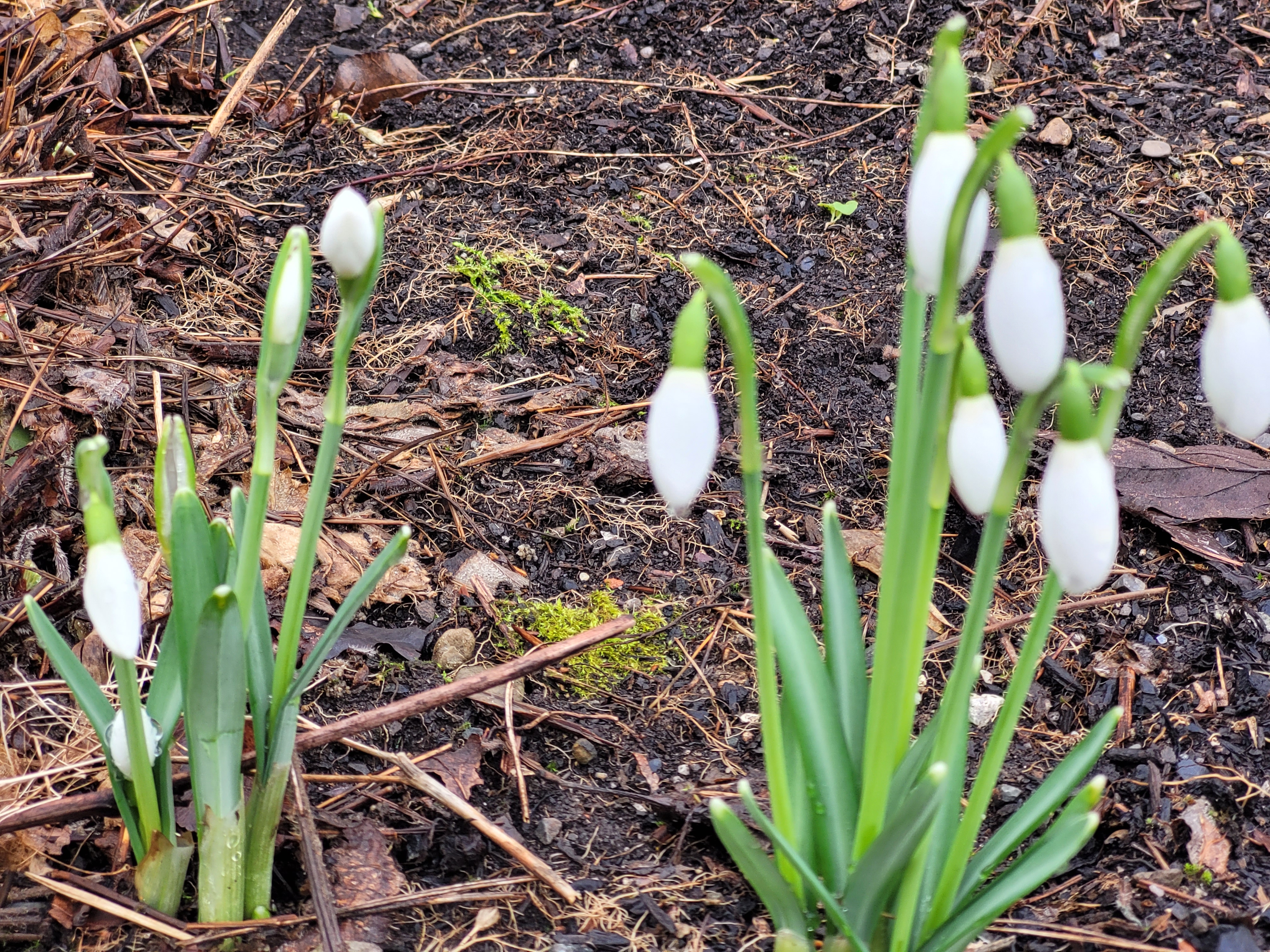
The first snowdrops in my garden, a very welcome sign of life in this pandemic winter.
If we were not so single-minded about keeping our lives moving and for once could do nothing perhaps a huge silence might interrupt this sadness of never understanding ourselves and threatening ourselves with death. Perhaps the earth can teach us, as when everything seems dead and later proves to be alive.
Pablo Nerudo, Keeping Quiet

You begin to see that there are seasons in your life, in the same way as there as seasons in nature.
They weave into one another as day follows night, bringing, not messages of hope and fear,
but messages of how things are.
Chogram Trungpa Rinpoche, How to Rule
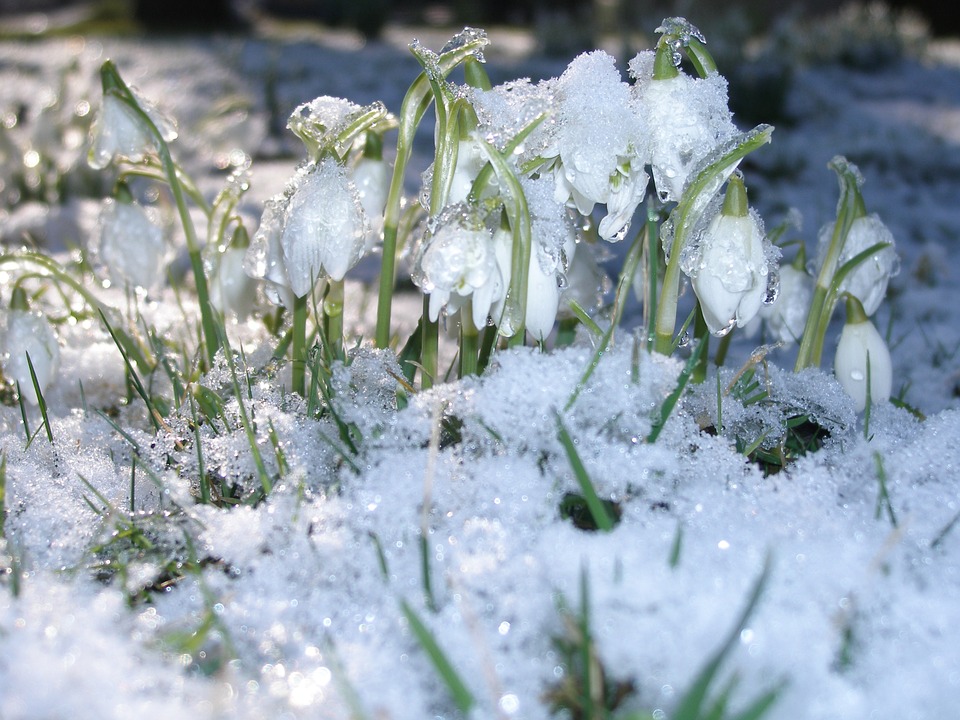
Tighter restrictions imposed again after the brief respite of Christmas. Noticing small moments of beauty nourish the spirit
Friend, we’re travelling together.
Throw off your tiredness.
Let me show you one tiny spot of the beauty that cannot be spoken.
Rumi
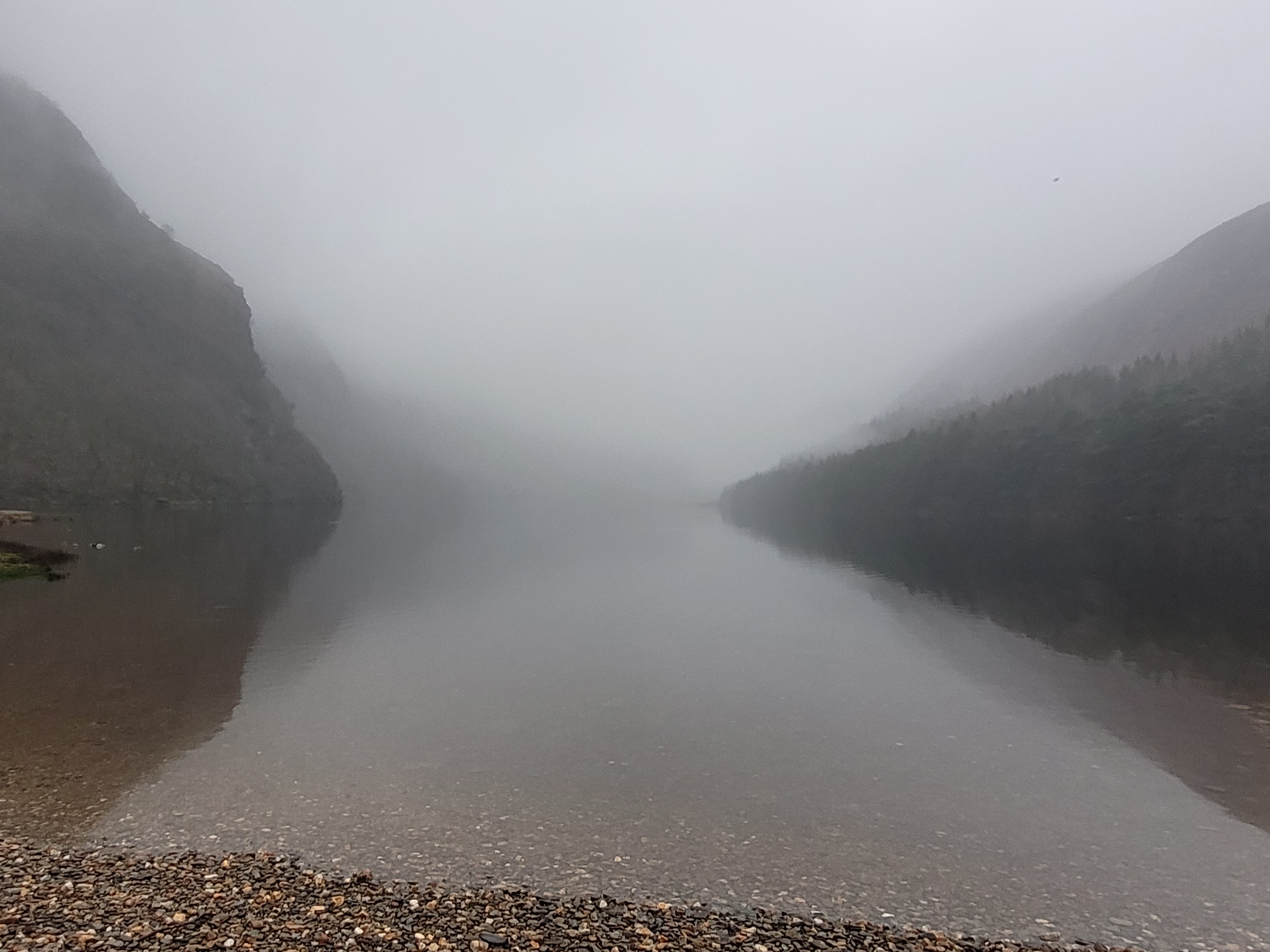
At first, we are children of the darkness. Your body and your face were formed first in the kind darkness of your mother’s womb. You lived the first nine months in there. Your birth was the first journey from darkness into light. All your life, your mind lives within the darkness of your body. Every thought you have is a flint moment, a spark of light from your inner darkness. The miracle of thought is its presence in the night side of your soul; the brilliance of thought is born of darkness. Each day is a journey. We come out of the night into the day. All creativity awakens at this primal threshold where light and darkness test and bless each other. You only discover the balance in your life when you learn to trust the flow of this ancient rhythm
John O’Donohue
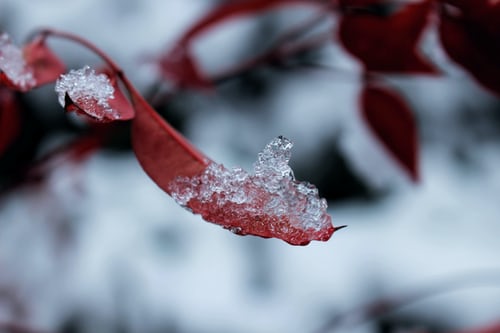
Nature teaches us that the moment when darkness is greatest is also the moment that light is about to return.
[In Iran] On the winter solstice families gather for a feast and surround themselves with candles, eat pomegranates and nuts, and recite poetry. “It is a beautiful way of assuring you that you have lived through long nights before. It is precisely at the point that the night is longest and darkest that you’ve actually turned a corner.”
Medieval Persian writings suggested that if one could not afford a feast, it is enough to bring a flower, “Look for the smallest bit of beauty around you. That very much resonates today, at a time where it seems like the mega-systems are all broken or falling apart, to return your gaze to the small.”
Omid Safi, professor of Iranian studies at Duke University, describing the 2,500 year old Iranian winter tradition of Yalda in the New York Times
 Mindfulbalance