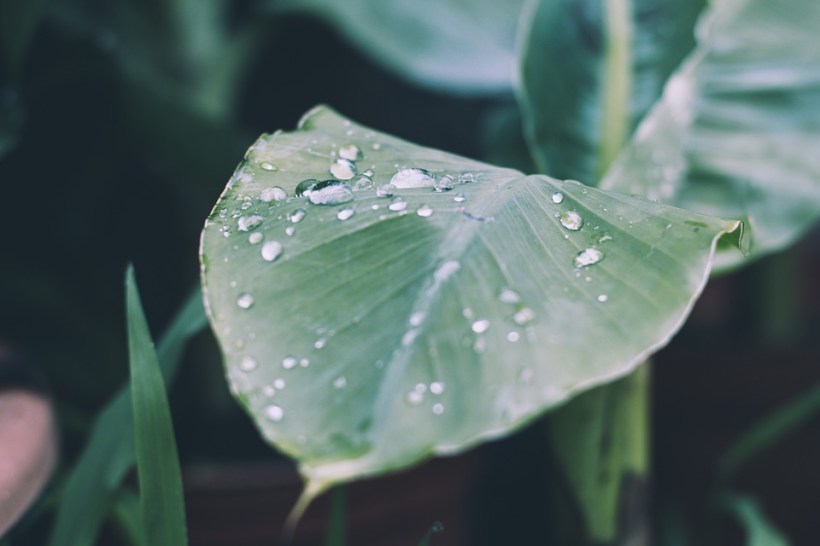
If there are mountains, I look at the mountains;
On days it is raining, I listen to the rain.
Spring, summer, autumn, winter.
Tomorrow too will be good.
Tonight too will be good.
Santoka, Japanese author and haiku poet, 1882 -1940
If there are mountains, I look at the mountains;
On days it is raining, I listen to the rain.
Spring, summer, autumn, winter.
Tomorrow too will be good.
Tonight too will be good.
Santoka, Japanese author and haiku poet, 1882 -1940
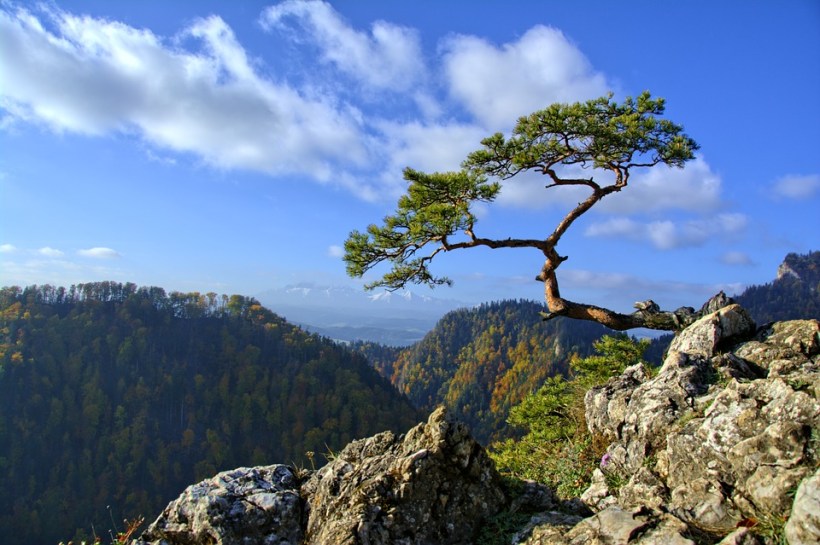
The mark of a moderate man
is freedom from his own ideas.
Tolerant like the sky,
all-pervading like sunlight,
firm like a mountain,
supple like a tree in the wind,
he has no destination in view
and makes use of anything
life happens to bring his way.
Lao Tzu, Tao Te Ching, 59, translated Stephen Mitchell

Everything is ceremony
in the wild garden of childhood
Pablo Neruda
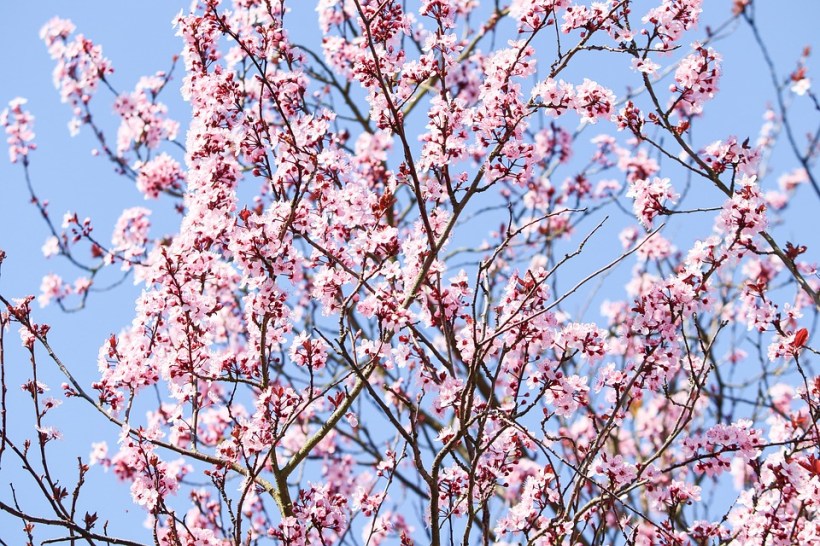
I was reminded of these texts – one Christian, one zen – driving to work on Monday and seeing the blossoms and buds return to the trees. Both speak of profound inner experiences – one when just 18, the other after 30 years of searching – just on seeing the blossoms bloom, the leaves fall, the branches grow, and the new leaves appearing. Miracles in everyday life which we rush past each day.
In the winter I saw a tree stripped of its leaves and I knew that within a little time the leaves would be renewed, and that afterwards the flowers and the fruit would appear. From this I received a profound view of the care of God which has never since left my soul. The view I grasped that day freed me completely and kindled in me such a love for God that I cannot say that it has increased during the more than forty years since that time.
Brother Lawrence, 1693, The Practice of the Presence of God.
For thirty years, I have been looking for the sword,
How many times have the leaves fallen and the branches grown anew?
But then once I saw the peach blossoms,
and from then up to now, I have never had any more doubts.
Lingyun Zhiqin, dates unknown, Searching for Thirty Years
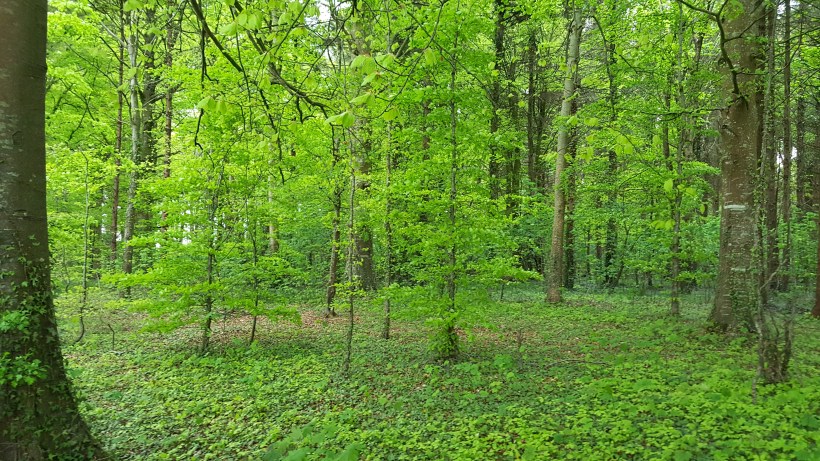
All beings are encompassed within one all-encompassing great energy:
This I understood from the coolness of this morning’s passing breeze
Wu-men Hui-k’ai, 1183 -1260, Chinese Chan Master

If you only walk on sunny days you’ll never reach your destination.
Paolo Coehlo
 Mindfulbalance