Autumn and maturity

It’s no coincidence that autumn and authenticity are linguistic cousins. Both share the Latin root aut-, meaning [to increase or grow.] Autumn brings the harvest bounty: the earth’s increase. Authenticity brings the reward of increased self-knowledge and awareness, of a life augmented (another word cousin!) through integrity. As autumn represents the ripening of the crops, so authenticity represents the coming into maturity of our characters. The link is gratitude, which allows us to ground ourselves in humility and recognize our authentic nature. When we live gratefully, we become more truly ourselves.

Alan Jones et al., Seasons of Grace: The Life-Giving Practice of Gratitude.

Autumn Dawns

The ancient rhythms of the earth have insinuated themselves into the rhythms of the human heart. The earth is not outside us; it is within: the clay from where the tree of the body grows. When we emerge from our offices, rooms and houses, we enter our natural element. We are children of the earth: people to whom the outdoors is home. Nothing can separate us from the vigor and vibrancy of this inheritance. In contract to our frenetic, saturated lives, the earth offers a calming stillness. Movement and growth in nature takes its time. The patience of nature enjoys the ease of trust and hope. There is something in our clay nature that needs to continually experience this ancient, outer ease of the world. It helps us remember who we are and why we are here.

John O’Donohue

Noticing the sun shine today

Creatures of a day,  what is anyone? What are they not?

We are just a dream of a shadow.

But when there comes,  as a gift from heaven,  a gleam of sunshine

Then rests on the heart a light of glory,

And blessed are the days.

Pindar (518-438 BCE)

…and not in the present

Origins of Plum Trees thumbnailMy work is loving the world.
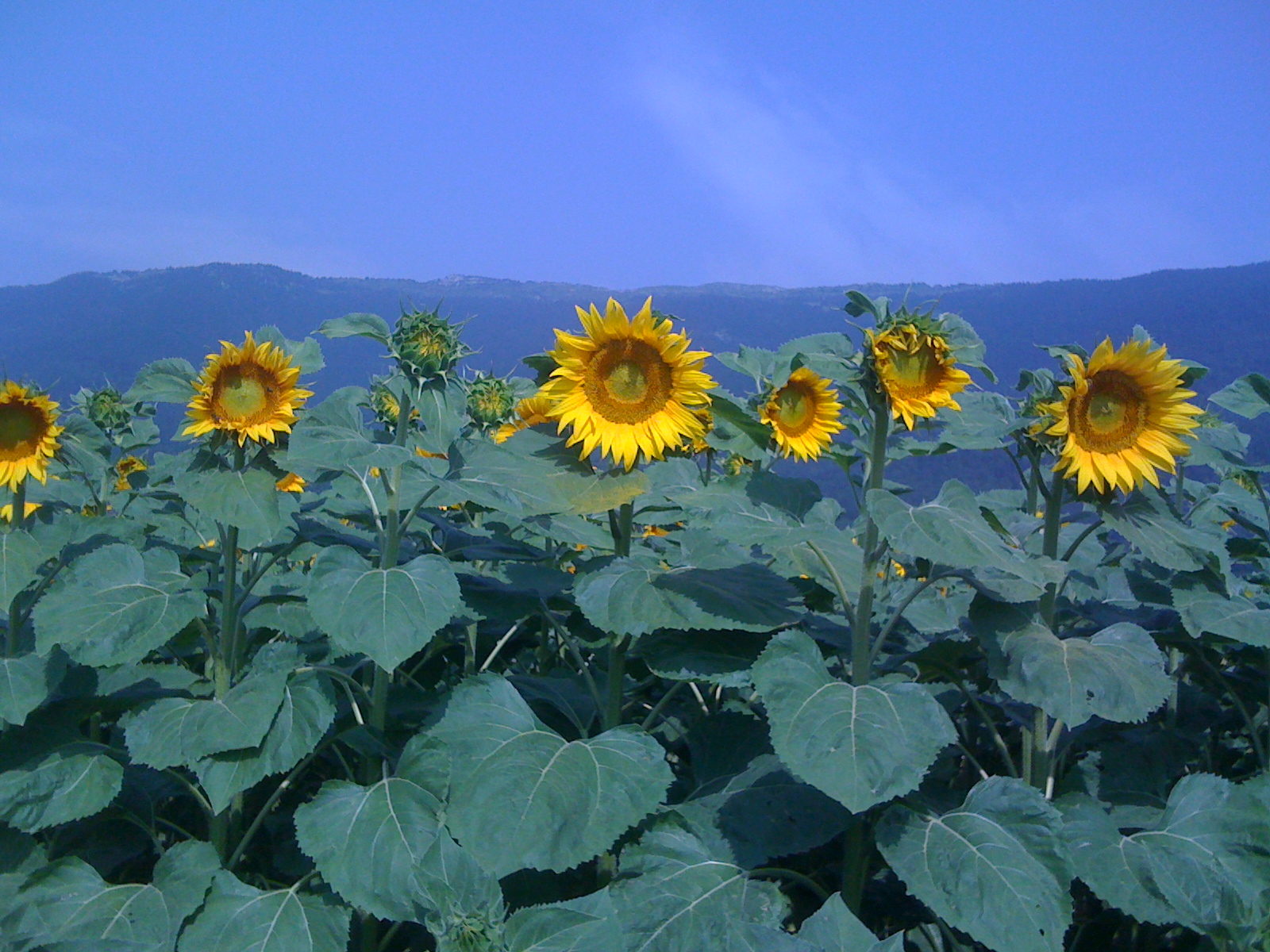
Here the sunflowers, there the hummingbird—
equal seekers of sweetness.
Here the quickening yeast; there the blue plums.
Here the clam deep in the speckled sand.

Are my boots old? Is my coat torn?
Am I no longer young, and still half-perfect? Let me
keep my mind on what matters,
which is my work,

which is mostly standing still and learning to be
astonished.

Mary Oliver, Messenger

On seeing some beautiful flowers


We are dust and to dust return.
In the end we’re
neither air, nor fire, nor water,
just
dirt,
neither more nor less, just dirt,
and maybe
some yellow flowers.

Pablo Neruda, Ode to Some Yellow Flowers

Walking in a distracted poverty

Strolling in a large park one day I was startled by how many people were walking without looking up, or walking in a myopic daze while talking on their “cells,” as we say in shorthand, as if spoken words were paddling through the body from one saltwater lagoon to another.

As a species, we’ve somehow survived large and small ice ages, genetic bottlenecks, plagues, world wars and all manner of natural disasters, but I sometimes wonder if we’ll survive our own ingenuity. At first glance, it seems as if we may be living in sensory overload. The new technology, for all its boons, also bedevils us with alluring distractors, cyberbullies, thought-nabbers, calm-frayers, and a spiky wad of miscellaneous news. Some days it feels like we’re drowning in a twittering bog of information.

But, at exactly the same time, we’re living in sensory poverty, learning about the world without experiencing it up close, right here, right now, in all its messy, majestic, riotous detail. The further we distance ourselves from the spell of the present, explored by our senses, the harder it will be to understand and protect nature’s precarious balance, let alone the balance of our own human nature…As an antidote I wish schools would teach the value of cultivating presence. As people complain more and more these days, attention spans are growing shorter, and we’ve begun living in attention blinks. More social than ever before, we’re spending less time alone with our thoughts, and even less relating to other animals and nature. Too often we’re missing in action, brain busy, working or playing indoors, while completely unaware of the world around us.

On the periodic table of the heart, somewhere between wonderon and unattainium, lies presence, which one doesn’t so much take as engage in, like a romance, and without which one can live just fine, but not thrive.

Diane Ackerman, Are We Living in Sensory Overload or Sensory Poverty?, New York Times, June 10, 2012