Making space for the words under the words

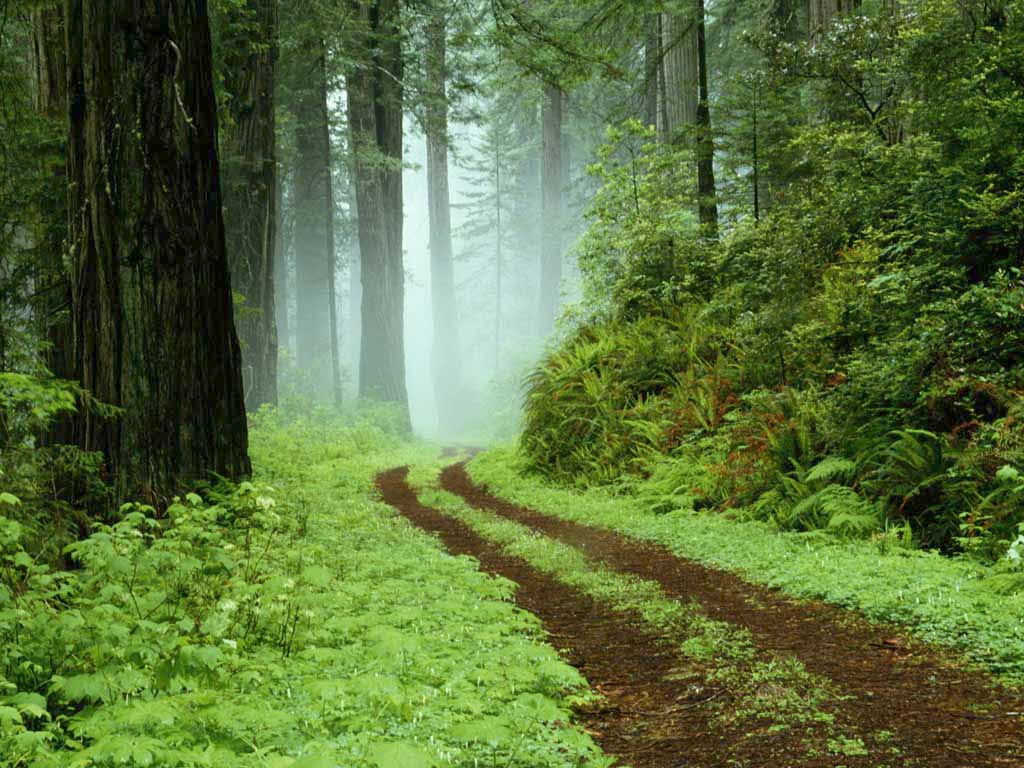
A morning walk in the cool woods, with the sounds of the birds and the sight of the poppies flourishing at the sides of the fields. Summer is incredible early and beautiful this year. Walking without expectation or goal. The Eastern idea of apranihita –  aimlessness. No need to have a purpose or to run after something. Making light space on the journey after some full, rich days. What is important is not necessarily what we are experiencing,  but how we relate to it.

My grandmother’s voice says nothing can surprise her.

She knows the spaces we travel through,  the messages we cannot send — our voices are short  and would get lost on the journey.

Farewell to the husband’s coat, the ones she has loved and nourished, who fly from her like seeds into a deep sky.   They will plant themselves. We will all die.

My grandmother’s eyes say Allah is everywhere, even in death.  

When she talks of the orchard and the new olive press,  

when she tells the stories of Joha and his foolish wisdoms,  

He is her first thought, what she really thinks of is His name.

Answer, if you hear the words under the words—

otherwise it is just a world with a lot of rough edges,  

difficult to get through, and our pockets full of stones.

Naomi Shihab Nye, The Words Under the Words


It is the heart that notices

The weather has changed these days. Not as settled or as consistently warm as it has been in the previous weeks. However, the wind brings a different texture. Why do we prefer one thing to another? Things are different, but equally beautiful.

The dance of the flower in the wind, in the sun, in the rain,

cannot be understood by the head;

the heart has to be open for it.

Osho

Sunday freshness after the rain

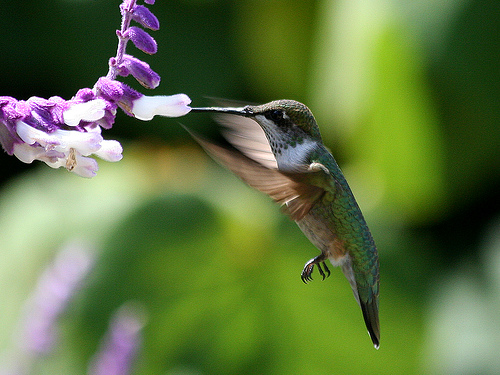
After the warmth of the  past weeks we have had  one or two days of welcome rain showers. This morning one can see the meadows and hedgerows filled with an abundance of wild flowers, their movement and colour contrasting with the formality of the fields of wheat and barley.  Butterflies are also moving everywhere, flitting from flower to flower, or keeping ahead on the path as you walk.  Nature has a deep-down energy at this time – as Manley Hopkins says – and is not confined to straight lines.  We too have this capacity within, we adapt and move on, continually seeking out the light and new places to grow. Mary Oliver sees this life in the small hummingbird,  and she too realizes how rich we are when we take time to notice the little moments of each day and be moved by such sights.

When the hummingbird sinks its face
into the trumpet vine,
into the funnels

of the blossoms and the tongue leaps out
and throbs,

I am scorched to realize once again
how many small, available things
are in this world

that aren’t pieces of gold or power –
that nobody owns

or could but even for a hillside of money

that just float in the world, or drift over the fields,
or into the gardens,
and into the tents of the vines,
and now here I am

spending my time, as the saying goes,
watching until the watching turns into feeling,
so that I feel I am myself

a small bird with a terrible hunger,
with a thin beak probing and dipping
and a heart that races so fast

it is only a heart beat ahead of breaking –
and I am the hunger and the assuagement,
and also I am the leaves and the blossoms,
and, like them, I am full of delight, and shaking.

Summer Story

Using the weather today as a metaphor for life

The warmth of the Spring weather this year means that plants and fruits are in bloom ahead of time and any memories of winter is far behind. We can look at the weather and nature today and be reminded of a number of lessons, which help us live our life mindfully:

Spring is a metaphor for transitions. It moves from lifelessness to life and we move from lifelessness to life in each cycle of breathing. If we know change is going to occur we are in a better place to accept it. If we expect things to stay constant we are vulnerable to frustration, disappointment, and resistance.

Spring is also a metaphor for forgiveness. Whatever happened in the last season, life begins anew with no carryover resentment from the past. Spring reminds us, as Pema Chodron says, to start where we are.

Spring shows us the cycle of living and dying on a bigger scale do. Everything comes into being and goes out of being — changing its form.  Spring invites us not to become attached to things, even the most precious things in our life. The invitation is to love things wholeheartedly with the awareness that they will not be with us forever. And, indeed, we, ourselves, will not be here forever. The invitation is to not be afraid to grieve when that grief becomes necessary. Grief is, at times, the admission price to the present moment.

The renewal of spring is the healing from grief, from the inexorable impermanence of things. Spring also demonstrates the tenacity of life and encourages us to persist in whatever we are doing.

So welcome spring and your multifaceted metaphors for mindful living!

Arnie Kozak, on Beliefnet

Another sunny morning in Geneva

Another beautiful day of sunshine dawns. We have been so blessed these past weeks.  LIfe starts over again with new possibilities, new experiences, and is lavish in its possibilities. This day is exactly as it should be; are we open to receive it, or too preoccupied with other concerns?
Have you ever seen
anything in your life more wonderful
than the way the sun, every evening,
relaxed and easy, floats toward the horizon  and into the clouds or the hills, or the rumpled sea, and is gone—
and how it slides again
out of the blackness,
every morning, on the other side of the world,
like a red flower streaming upward on its heavenly oils,
say, on a morning in early summer,
at its perfect imperial distance—
and have you ever felt for anything such wild love—
do you think there is anywhere, in any language,
a word billowing enough for the pleasure
that fills you,  as the sun reaches out,
as it warms you as you stand there,
empty-handed—
or have you too turned from this world—
or have you too gone crazy  for power,  for things?

Mary Oliver, The Sun

Reach out today

You often say “I would give, but only to the deserving” . The trees in the orchard say not so, nor the flocks in the pastures. They give that they may live,  for to withhold is to perish.

Kahlil Gibran