 Be melting snow. Wash yourself of yourself.
A white flower grows in quietness.
Let your tongue become that flower
Rumi
Be melting snow. Wash yourself of yourself.
A white flower grows in quietness.
Let your tongue become that flower
Rumi
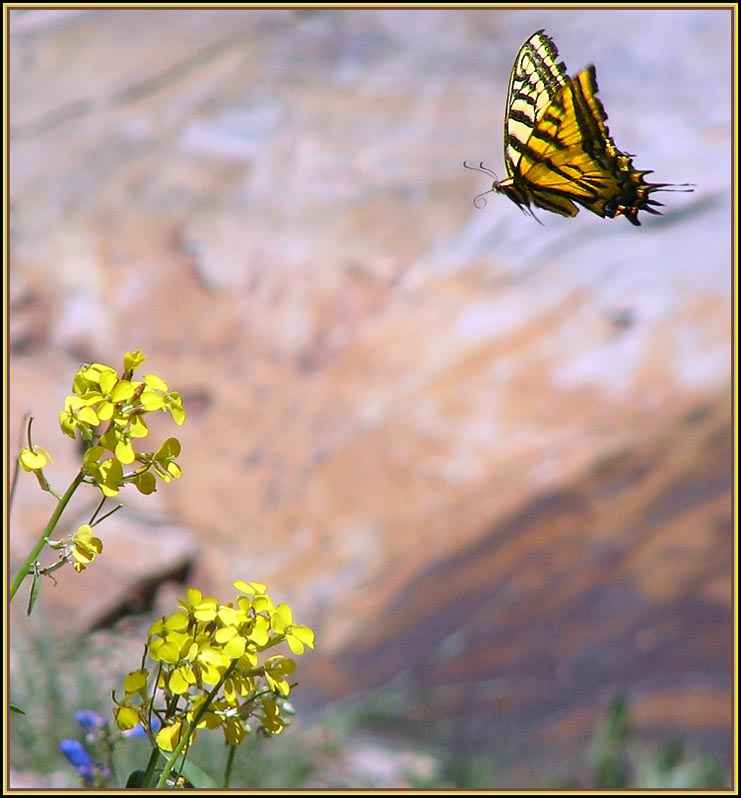 Même pour le simple envol d’un papillon,
tout le ciel est nécessaire.
(Even for the simple flight of a butterfly,
all of the sky is necessary.)
Paul Claudel
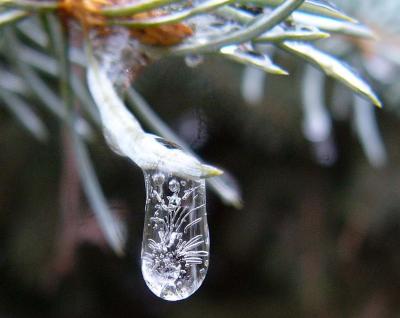 Try it today:
One kind word can warm three winter months
Japanese Proverb
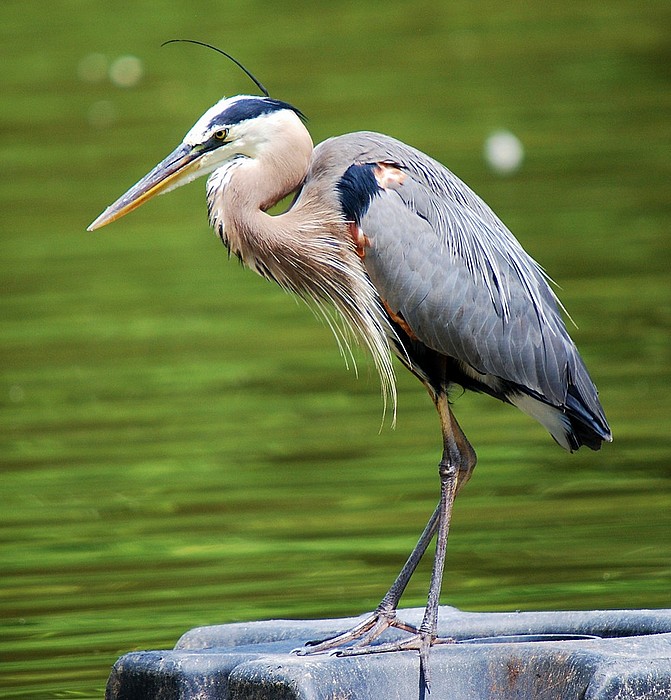 Judith sent me this beautiful poem, by a Canadian poet. Again, the action of a heron – this time its almost “monastic” stillness – confronts the poet and prompts reflections on how some moments contain everything:
A hunched grey shape
framed by leaves
with lake water behind
standing on our
little point of land
like a small monk
in a green monastery
meditating
almost sculpture
except that it’s alive
brooding immobile permanent
for half an hour
a blue heron
and it occurs to me
that if I were to die at this moment
that picture would accompany me
wherever I am going
for part of the way
Al Purdy, The last picture in the world
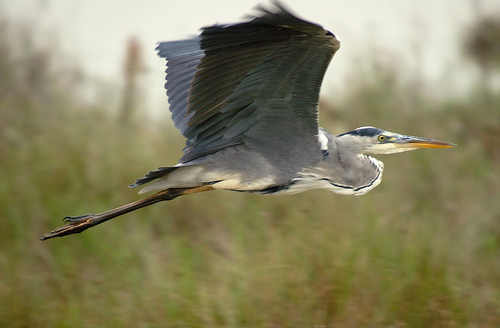 Last week, walking, I was startled by a heron taking off. This beautiful large bird rose up with very graceful slow beats of its wings, its long neck folded into a “s” shape, and flew away, letting out a loud squawk as it got further away. I looked after this bird as it vanished into the distance, leaving silence behind. Normally herons do not draw much attention to themselves, as they stand, solitary and still, for hours in fields or water, waiting to catch a frog or fish.
Because of this, for the ancient Celts the heron symbolized independence, patience and intelligence. They saw them as special creatures, who dwelt between the different realms of land, water and sky. Maybe because of its solitary nature, the heron was also seen as a messenger from the gods. And moments when we come accross the beauty of nature close up often feel like blessed moments, especially as we stand in the silence looking after them.
I admire the heron’s capacity to stand still, to stay focused, to draw on inner resources. It reminds me to trust myself, to nurture my own roots, ones that nothing and nobody can take away. I do not need to “produce” something in order to be happy. Looking at it standing there prompts me to see that I have a responsibility to befriend myself first of all, to be be comfortable my own solitude before any interactions with others and with the world. I see that I need to deconnect more, to quieten the noise, to simplify this increasingly complicated life, and resist the truth advanced today that being always connected means being more fruitful.
It is only from this place of solitude, from having our own wells, that we can really listen to others and relate to their deepest needs. As Mary Oliver reflected when she saw a heron rise up, new life rises up from the depths of the dark pools in which we stand. We have to descend before we can arise.
So heavy is the long-necked, long-bodied heron,open
and she turns from the thick water,
from the black sticks
of the summer pond,
and slowly rises into the air
and is gone.
Then, not for the first or the last time,
I take the deep breath
of happiness, and I think how unlikely it is
that death is a hole in the ground,
how improbable
that ascension is not possible,
though everything seems so inert, so nailed
back into itself–
the muskrat and his lumpy lodge,
the turtle, the fallen gate.
And especially it is wonderful
that the summers are long
and the ponds so dark and so many,
and therefore it isn’t a miracle
but the common thing,
this decision,
this trailing of the long legs in the water,
this opening up of the heavy body
into a new life: see how the sudden
gray-blue sheets of her wings
strive toward the wind; see how the clasp of nothing
takes her in.
Mary Oliver, Heron rises from the Dark Summer Pond
 You ask me why I dwell in the green mountains
I smile and make no reply, for my heart is free of care
As the peach blossom flows downstream and is gone into the unknown
I have a world apart that is not among men
Li Po

