
The world is full of magic things
patiently waiting for our senses to grow sharper.
W. B. Yeats
The world is full of magic things
patiently waiting for our senses to grow sharper.
W. B. Yeats

The golden moments in the stream of life rush past us
and we see nothing but sand;
The angels come to visit us,
and we only know them when they are gone.
George Eliot, Janet’s Repentance,
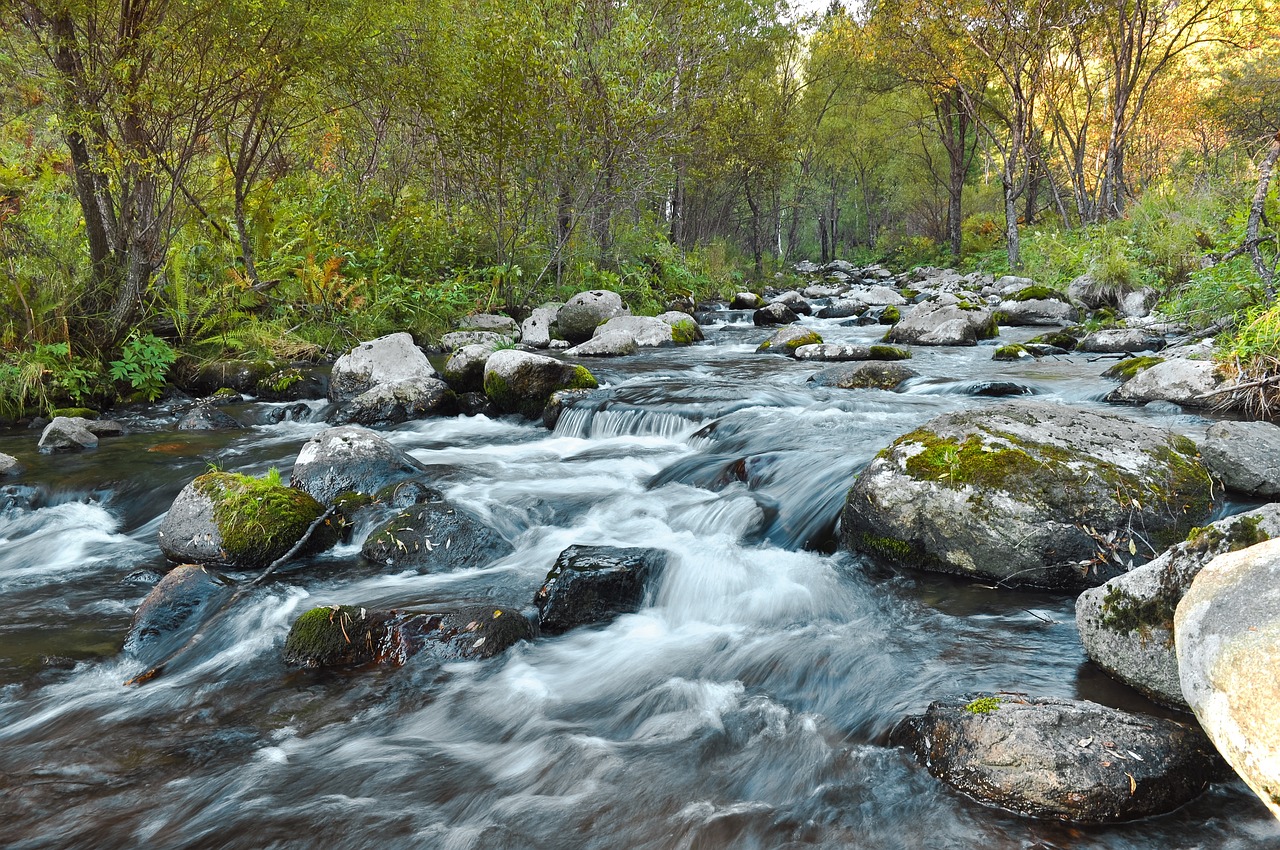
Move back and forth into the change…
In this uncontainable night,
be the mystery at the crossroads of your senses,
the meaning discovered there.
And if the world has ceased to hear you,
say to the silent Earth: I flow.
To the rushing water, speak: I Am.
Rilke, Sonnets to Orpheus II, 29.

So, how can we achieve inner contentment?
There are two methods. One method is to obtain everything that we want and desire – all the money, houses, and cars; the perfect mate; and the perfect body. The Dalai Lama has already pointed out the disadvantage of this approach; if our wants and desires remain unchecked, sooner or later we will run up against something that we want but can’t have.
The second, and more reliable, method is not to have what we want but rather to want and appreciate what we have.
The Dalai Lama and Howard C. Cutler, The Art of Happiness: A Handbook for Living

Quite often a flash of enlightenment will give you this message:
Go back to where you started and learn to love it more.
Thaddeus Golas, 1924 – 1997, American author

Like Magellan, let us find our islands
To die in, far from home, from anywhere
Familiar. Let us risk the wildest places,
Lest we go down in comfort, and despair.
Mary Oliver, Magellan [extract]

