Not getting burnt

A fire reflected in a lake cannot burn the water. Neither can emotions disturb the mind when you don’t get involved in them. Don’t identify an emotion as your self. The fear or anger is not you, only an impersonal phenomenon.

Mentally pull back from the emotion and turn your awareness around to observe it. When in the grip of negative emotion we tend to believe it will never end. But emotions are no more permanent than thoughts.

Cynthia Thatcher, Just Seeing: Insight Mediation and Sense-Perception

Sunday Quote: Wholeness

Non est vivere, sed valere vita est

Life is not just a matter of being alive, but living well

Martial, Roman Poet, c 40 – 102 AD, Epigrams Book VI, 70:15)

The windblown clouds

No matter how long you live,
the result is not altered.
Who will not end up as a skeleton?
Cast off the notion that “I exist.”

Entrust yourself to the windblown clouds,
and do not wish to live forever.

Ikkyu, Japanese Zen Buddhist monk and poet.1394 – 1481

The paths we choose

As a single footstep will not make a path on the earth, so a single thought will not make a pathway in the mind. To make a deep physical path, we walk again and again. To make a deep mental path, we must think over and over the kind of thoughts we wish to dominate our lives.

Thoreau

Ordinary

Many of the great Zen and Taoist teachers emphasized the ordinary and the dangers of spiritual importance:

Emperor Wu: ‘I have built many temples, copied innumerable Sutras and ordained many monks since becoming Emperor. Therefore, I ask you, what is my merit?’

Bodhidharma: ‘None whatsoever!’

Emperor Wu: ‘Why no merit?’

Bodhidharma: ‘Doing things for merit has an impure motive and will only bear the puny fruit of rebirth.’

Emperor Wu, a little put out: ‘Well, what then is the most important principle of Buddhism?’

Bodhidharma: ‘Vast emptiness. Nothing sacred.’

Emperor Wu, by now bewildered, and not a little indignant: ‘Who is this that stands before me?’

Bodhidharma: ‘I do not know.’

If we can allow ourselves to live an ordinary life while also staying awake to the great void at the center of all that is, then we can be this intermediary place between that intoxicating, mystical bliss of oblivion and the wonder of how the Divine creates and reveals Itself in all the forms of life. Our lives are the expression of this bridge – ordinary and extraordinary, all things in their place, everything free to be as it is, and our consciousness, our heart, free to be used as needed.

Llewellyn Vaughan-Lee, The Extraordinary in the Ordinary

Your echo depends on you

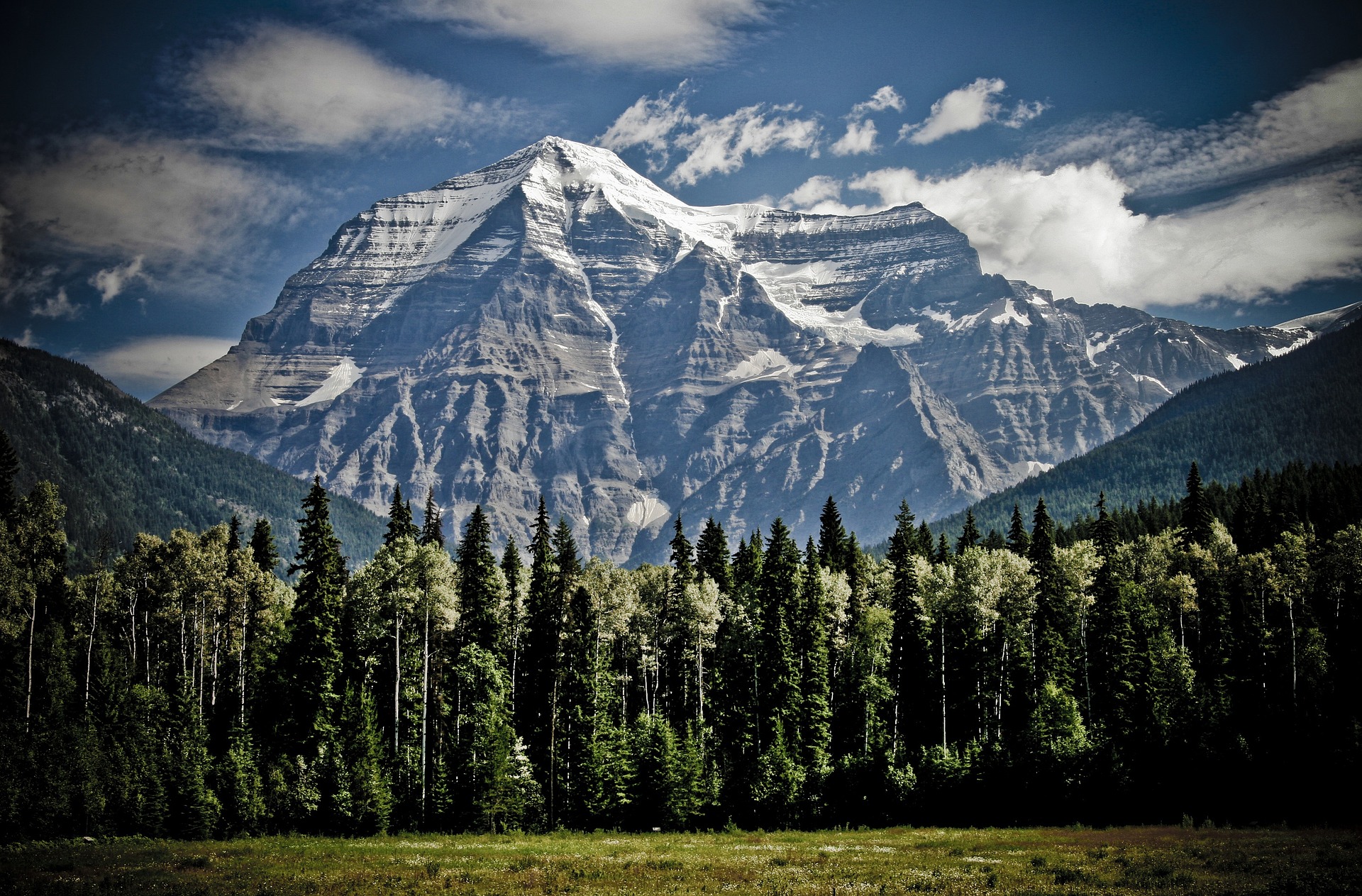
This world is like a mountain. Your echo depends on you. If you scream good things, the world will give it back. If you scream bad things, the world will give it back. Even if someone says badly about you, speak well about him.

Change your heart to change the world

Shams-i Tabrīzī, 1185 – 1248 Shams-i Tabrīzī, Persian Shafi’ite poet, credited as the spiritual instructor of Rumi