The key is to relax

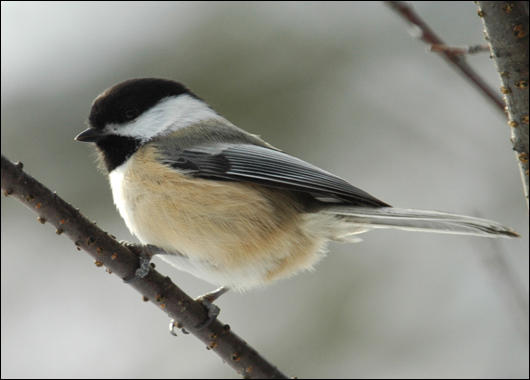
This fundamental richness is available in each moment. The key is to relax: relax to a cloud in the sky, relax to a tiny bird with grey wings, relax to the sound of a telephone ringing. We can see the simplicity in things as they are. We can smell things, taste things, feel emotions and have memories. When we are able to be there without saying “I certainly agree with that” or “I definitely don’t agree with that”  but just be here very directly, then we find fundamental richness everywhere. It is not our or theirs but is available to everyone. In raindrops, in blood drops, in heartache and delight, this wealth is in the nature of everything. It is like the sun that shines on everyone without discrimination.

Pema Chodron, When Things Fall Apart

What being silent means


Being silent for me doesn’t require being in a quiet place, and it doesn’t mean not saying words. It means “receiving in a balanced, noncombative way what is happening”. With or without words, the hope of my heart is that I will be able to relax and acknowledge the truth of my situation with compassion.

Sylvia Boorstein, That’s funny, you don’t look Buddhist

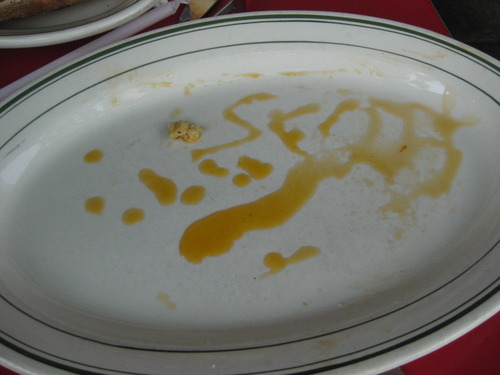
A greasy plate

We gradually cut through the habit of identifying with each emotional wave that passes through our awareness. We can be angry, jealous, or scared without having to act on those emotions or let them take over our lives. All too often, the emotions we experience, along with the thoughts and behaviors that accompany them, become part of our internal and social story lines.  Anger, anxiety, jealousy, fear, and other emotions become part of who we believe we are, creating what I would call a “greasy” residue, like the oily stuff left on a plate after eating greasy food. If that residue is left on the plate, eventually everything served on that plate starts to taste alike; bits of food start to accumulate too, stuck to layers and layers of greasy residue. All in all, a very unhealthy situation!

When we allow space into our practice, though, we begin to see the impermanent nature of the thoughts and feelings that arise within our experience — as well as of the conditions, over many of which we have no control. That greasy residue doesn’t build up, because there’s no “plate” for it to cling to. If we can allow some space within our awareness and rest there, we can respect our troubling thoughts and emotions, allow them to come, and let them go. Our lives may be complicated on the outside, but we remain simple, easy, and open on the inside

Tsoknyi Rinpoche, Allow for Space

The foundation of all: How to nourish your inner life


This is the first, the wildest and the wisest thing I know:

that the soul exists and is built entirely out of attentiveness

Mary Oliver

The easiest way to cultivate happiness today

We often ask, ‘what’s wrong?’  Doing so, we invite painful seeds of sorrow to come up and manifest. We feel suffering, anger, and depression, and produce more such seeds. We would be much happier if we tried to stay in touch with the healthy, joyful seeds inside of us and around us. We should learn to ask, ‘what’s not wrong?’ and be in touch with that.”

Thich Nhat Hahn

Hitting the pause button

A reporter asked a boy who was participating in the [mindfulness training] program to describe mindfulness. “It’s not hitting someone in the mouth”, the eleven year-old said.

His answer is wise, wide and deep. It illustrates one of the most important uses of mindfulness – helping us to deal with difficult emotions. It suggests the possibility of finding the gap between a trigger event and our usual conditioned response to it, and of using that pause to collect ourselves and change our response. And it demonstrates in a very real way that we can learn to make better choices……Working with emotions during our meditation session sharpens our ability to recognise a feeling just as it begins not fifteen consequential actions later. We can then go on to develop a more balanced relationship with it – neither letting it overwhelm us so we lash out rashly, nor ignoring it because we are ashamed or afraid of it.

Sharon Salzberg, True Happiness.