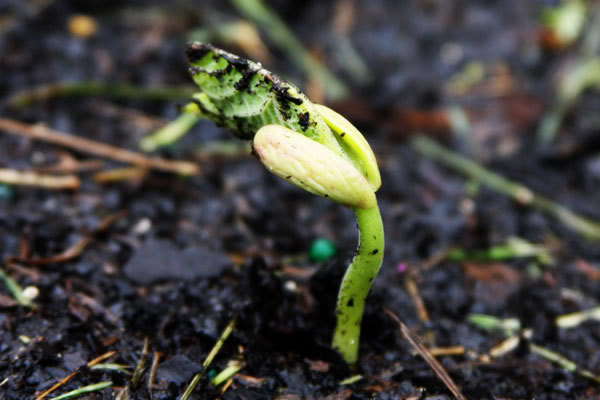
 Today I rose early and the weather had cleared after yesterday’s rain. It was a lovely fresh morning, before the cloud and mist moved in again. The birds are beginning to sing again and there was a sense of light and joy. Bright mornings make it easy to feel clear and spacious within. And when we do, we find it not so difficult to be kind. It makes it possible to believe in the natural goodness deep inside us. However, even with bright starts on days like this we can still see that the mind has brief moments when it can get confused and dark. When a combination of circumstances come together that frighten us, we can become flustered and defensive. It is always interesting to see the mind’s capacity to wander from the way things are and live in thoughts and wonderings and wishing things were other, with the potential narrowing that this brings.
In sitting practice we are reminded to practice “starting over” – to return again and again to the breath when the mind wanders, without being harsh with ourselves. It is a lesson for life also. We frequently get distracted. We sometimes get lost. And then we wander away from the natural kindness that exists when we are calm. So the practice is to simply try to start over again, by dropping into this moment, noticing what we are doing, becoming conscious of the breath or of the sensations in our body. We do not need to add the extra judgment about how unworthy our behaviour makes us to the existing situation. We do not make a drama out of it. We acknowledge honestly and simply that we have gotten lost, or are in the wrong, and then go back to start over again.
 A similar idea to yesterday’s one posted about Saint David. We make our future happiness by taking care of the present moment.