Light after darkness

dawn33

It was a nice bright morning here in Ireland and it is always heartening when we see the sun beginning to brighten the sky. So, here are another few words from Mary Oliver, on how darkness, in different senses, can give way to light, and how nature can soothe the spirit. Often at night the fixing side of our mind gets stuck in some problems or challenges we face and it can seem very dark. The light of morning or of nature can sometimes put things into perspective:

All night my heart makes its way
however it can over the rough ground
of uncertainties, but only until night
meets and then is overwhelmed by
morning, the light deepening, the
wind easing and just waiting, as I
too wait (and when have I ever been
disappointed?) for redbird to sing.

Mary Oliver, A Thousand Mornings

Take a break

Pause

Use those few seconds when you find yourself willing or even desiring just to take a break from the daily grind to observe your mind rather than drifting off into daydreams. Practicing like this, “one drip at a time,” you’ll find yourself gradually becoming free of the mental and emotional limitations that are the source of fatigue, disappointment, anger, and despair, and discover within yourself an unlimited source of clarity, wisdom, diligence, peace, and compassion.

Yongey Mingpur RInpoche, The Joy of Living

Noticing simple things

File:Flowingtap.jpg

By taking a moment to pay attention to something as simple as turning on the water tap, we give ourselves the opportunity to be aware of how things in our lives come, go, and transform, which makes us less likely to take them for granted.  Instead, we can, for even a moment, be awake to the transitory blessing they are.  And, certainly, we can carry this habit out into the larger world, applying it to whatever we find ourselves doing or encountering.

Turning on the Water:  Water flows from high mountain sources.

Water runs deep in the Earth.

Miraculously, water comes to us and sustains all life.

Thich Nhat Hanh

photo thegreenj

The two aspects of meditation

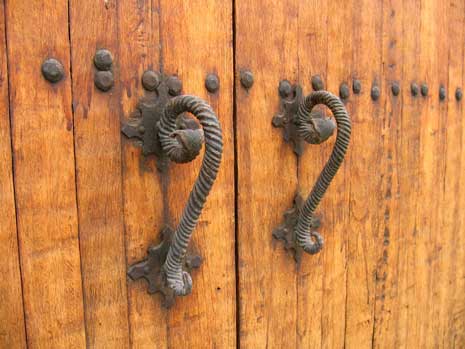
two handles

There are two types of meditation, namely, samatha and vipassana. Samatha is the development of concentration. Vipassana is the development of wisdom. Of these two, samatha is the important foundation of vipassana. Therefore, the Buddha said: ‘ you should cultivate concentration….. if you have enough concentration, you can understand phenomena as they really are.’  So beginners are encouraged to first practise samatha to develop deep and powerful concentration. Then they can practise vipassana and see phenomena in their real essence.

Pa-Auk Sayadaw

The end of suffering

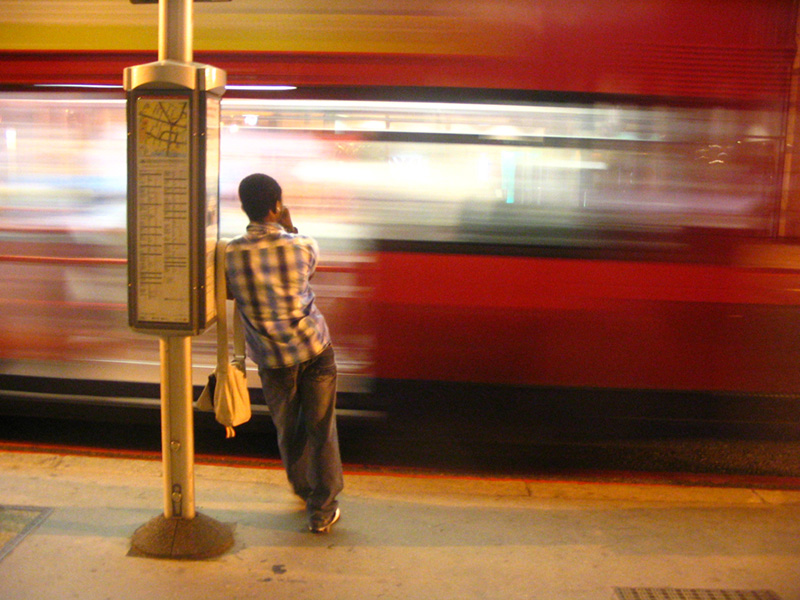
standing still

This is an interesting, important text, one of my absolute favourites, and merits some ongoing reflection. On first reading it seems strange – living in Ireland it is obvious we live on an earth, with plenty of water and wind! Obviously we come and go, either on holidays or as in relocating from country to country. It must mean something deeper about the causes of suffering.  There is a lot of evidence that people can benefit fairly immediately from some of the centering and calming practices that are found in meditation and mindfulness. They bring a certain release from the stresses and suffering of everyday life. However, texts like this suggest that real, lasting  and full liberation comes from coming to a felt knowledge of the dynamics beneath the human capacity for stress. It is somehow related to a stepping out of the continual movement of the mind towards or away from experiences –  what is referred to as the “shackles of constant becomings” – to a place that observes all comings and goings without judgment.

There is that sphere of being where there is no earth, no water, no fire, nor wind;

this sphere of being I call neither a coming nor a going nor a staying still,

neither a dying nor a reappearance; it has no basis, no evolution, and no support:

it is the end of suffering

The Buddha

Self-help, anxiety and the pressure to get better

I was in Dublin yesterday and took advantage by visiting the Hodges Figgis bookshop on Dawson Street, which I had not seen for a good number of months. I looked around the psychology  section and then sought out books on meditation, which I found spread across religion, and the ever-growing sections of “popular psychology”,  “Mind, Spirit and Body” and  “Self-Help”. One or two things struck me as I browsed. There is a real risk of making terms like “mindfulness” completely meaningless  as the state of mindfulness (which seems to increasingly simply mean an easy to develop calm  state or present-moment attention) is applied to all types of areas without a similar focus on the daily practice of mindfulness needed to slowly discover its benefits, or on the underlying vision of society and ethics which give it life.  A second problem is that it becomes part of an overall dissatisfaction with ourselves which is very prevalent today and leads us to find books which will help us create a  better version of ourself.  There are even more reasons now to be unhappy with myself – I am not only not rich enough, or not successful enough but I am also not mindful enough to get either.  The danger with this is that it sometimes only increases our dissatisfaction with who we actually are, and the sometimes, less exciting place, our lives are. Sometimes these versions of ourselves and the ideal how-we-would like-to-be can come from the way Western society places an emphasis on achievement and can take us away from the person we actually are.  We set up a juxtaposition between the “I” am now and the “I” I should be and believe that this is a good thing.  However, in many cases this type of  self-help and even spiritual practice can eventually increase our self of inadequacy. We have just shifted the method but we remain within the dynamic of winning and losing unless we begin to tackle the underlying cause and effect.  Instead of always moving on,  our practice can ask us at times to stay with what we have. It is there that we work out the unique person we are meant to be. It reminded me of Rabbi Zusya’s words,  a short while before his death : “In the world to come I shall not be asked, ‘Why where you not Moses?’ I shall be asked, ‘Why were you not Zusya?’