
There are no unsacred places;
There are only sacred places and desecrated places.
Wendall Berry, Given
There are no unsacred places;
There are only sacred places and desecrated places.
Wendall Berry, Given
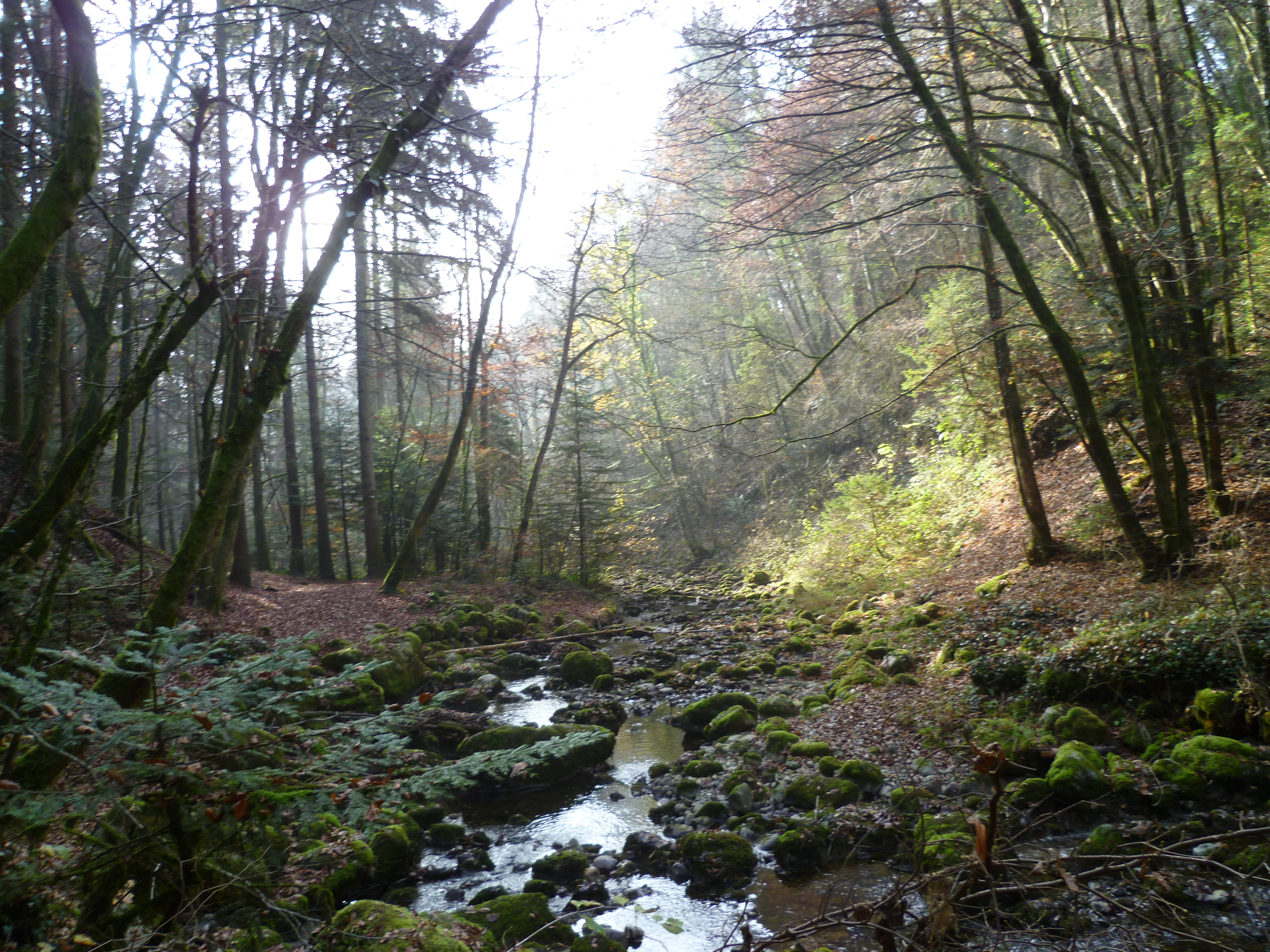 Masters of stillness, masters of light,
who, when cut by something
falling, go nowhere and heal,
teach me this nowhere,
who, when falling themselves,
simply wait to root in another direction,
teach me this falling.
Four hundred year old trees,
who draw aliveness from the earth
like smoke from the heart of God,
we come, not knowing you will hush our little want
to be big;
we come, not knowing
that all the work is so much
busyness of mind; all
the worry, so much
busyness of heart.
As the sun warms anything near,
being warms everything still
and the great still things
that outlast us
make us crack like leaves of laurel
releasing a fragrance
that has always been.
Mark Nepo, In Muir Woods

The birds have vanished
into the sky,
and now the last cloud
passes away.
We sit together,
the mountain and me,
until only the mountain remains.
Li Po
 or·di·nar·y/ˈôrdnˌerē/ Adjective: With no special or distinctive features; Normal
The Catholic liturgical tradition has long divided time in two: There are two kinds of days in life and two periods of the year. The days were either feast days or ferial days. The year was divided into “ordinary” time and …well, “extra-ordinary” time, I guess. This second segment of the year, come to think about it, I never heard anyone name at all. It was a number of times: Advent, Lent, the Christmas, Easter and Pentecost seasons. This kind of information may be boring stuff but it’s important stuff, too. Ordinary time, you see, was the longest period of all. It was the time when life went its long, dull way, predictable to the ultimate. Monday, we did the laundry; Tuesday, we did chapel, altar breads, and house-cleaning; Wednesday, Thursday, Friday and Saturday we did it all again. More of the same. Same old, same old. Week after week, month after month, year after year.
Every once in a while, of course, life was punctuated by a feast day with its special meals and polyphonic liturgies but, in the end, the normal, the daily predominated. As it does for all of us yet. The commute, the paperwork, the housework, the school run, eat up day after day with mind-numbing regularity. And yet, it is in “ordinary” time that the really important things happen: our children grow up, our marriages and relationships grow older, our sense of life changes, our vision expands, our soul ripens. No doubt about it, [my father’s] prayer card was right: To lose the glory of ordinary time is to suffer the loss of the greater part of life.
Joan Chittister, Ordinary Time
 The key element of practicing with this tendency is gentleness, and the method is mindfulness. Many of us practice in a speedy environment. In a sense, speed is the disease of our times. It’s always there and it’s very hard to extract ourselves from it. But we must realize that speed is in fact just a hallucination, a self-imposed reality. Being mindful cuts speed. Being present cuts speed. If we trust in basic goodness when we look at what’s going on in our life right now, kindness and patience naturally come about.
Sakyong Mipham Rinpoche
 Toward the end of his writings, the Catholic monk Thomas Merton seems to have come to a position which admitted the uselessness of us seeking a “true self” as a strategy, rather than just working with where we are in each moment at any given time. A lot of self-help books and even some psychology approaches set up this distinction between “me here” and “a better me there”, with a gap in-between and an emphasis on changing ourselves in order to get to that desired, truer place. Although ongoing reflection is a good thing, often all this urge for improvement reflects a type of aggression towards ourselves, rather than helping us with our fundamental task – befriending ourselves and life as it is. It paradoxically can even reduce any capacity for growth, which starts with self-acceptance.
The time has probably come to go back on all that I have said about one’s “true self”, etc., etc. And show that there is after all no hidden mysterious “real self” other than or hiding behind the self that one is, but what all the thinking does is to observe what is there or objectify it and thus falsify it. The “real self” is not an object, but I have betrayed it by seeming to promise a possibility of knowing it somewhere, sometimes as a reward for astuteness, fidelity and a quick-witted ability to stay one jump ahead of reality.
Thomas Merton
 Mindfulbalance