 Meditation is not about trying to get anywhere else.
It is about allowing yourself to be exactly where you are and as you are,
and the world exactly as it is in this moment , as well
Jon Kabat Zinn
Meditation is not about trying to get anywhere else.
It is about allowing yourself to be exactly where you are and as you are,
and the world exactly as it is in this moment , as well
Jon Kabat Zinn
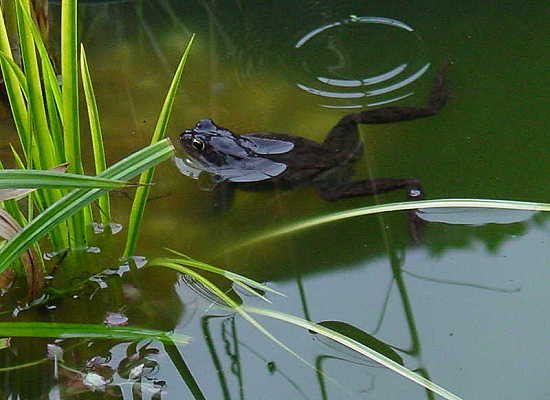
How do we tame our minds? How do we train ourselves to stay open to our experience from moment to moment? The answer lies in the mind state called “bare attention”. “Bare” means simple, direct, without trappings of judgment or interpretation. “Attention” means mindfulness, awareness; not forgetting to be present. A famous Zen haiku reads: “The old Pond. A Frog jumps in. Plop”
This is a wonderful description of bare attention. The old pond is not necessarily beautiful or covered with lily pods or green or blue. The poet, Basho, goes directly to the essence of his experience: the pond, frog, plop. We can say that in meditation we are developing “plop mind”. We are stripping away everything that is extraneous to our immediate experience and simply being present with what is happening. This is bare attention: direct, essential, noninterfering.
Joseph Goldstein, Bare Attention
 The challenge is to let go of our ideas about life, in order to more fully live. Our stories and mental images can often create a frame which dictates how we relate to each moment, or create expectations which we then use to judge how we are doing, causing frustration and self-doubt. The direct experience of each moment leads us into unfamiliar but rich territory. We practice letting go of our ideas and making room for what is here in this moment, a space to listen outside the confines of our fears and internal scripts.
We tell ourselves stories in order to live. We look for the sermon in the suicide, for the social or moral lesson in the murder of five. We interpret what we see, select the most workable of possible choices. We live entirely by the imposition of a narrative line upon disparate images, by the ideas by which we have learned to freeze the shifting phantasmagoria which is our actual experience.
Joan Didion, The White Album
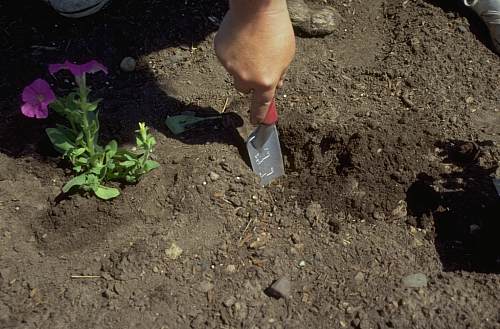 The present moment is all we have, and it becomes the doorway to true calm, your healing refuge. The only place you can love, or heal or awaken is here and now, the eternal present. Create life a day at a time. You cannot know the future. But you can plant beautiful seeds here and now and learn to tend them with the love, courage and survival instinct that is inborn in you. Somerset Maugham once said “There are three rules for writing the novel. Unfortunately, no one knows what they are”. He wrote marvellous novels, the only way we can, a page at a time.
Jack Kornfield, A Lamp in the Darkness
 To accept what is happening in this moment, this situation, this season of life, does not require us to like it. Acceptance is the simple act of acknowledging what is true – this sensation, this fear, this frustration, or this dread that we are experiencing right now. Avoiding it only adds sorrow and suffering to what is already painful.
William and Nancy Martin, The Caregivers Tao Te Ching.
 You can use relaxed attention and softening into awareness of your emotions to gain freedom from suffering. For example, the next time you’re feeling hurt and angry because you think your significant other doesn’t hear or appreciate you, rather than succumbing to these hindrances of mind, stay with them as body experiences. You may sense tightness in the belly and around the eyes from the hurt and some heat from the anger. Meet these body experiences with mindfulness and compassion by saying to yourself, “Hurt and anger feel like this.” This is softening into your emotions. You do not judge your feelings, nor do you try to get rid of the hurt or the anger; you simply stay with the sensations, and they will self-liberate in their own time.
Philip Moffitt, Awakening in the Body

