How we avoid meeting our deepest needs

“Hundreds of shoppers flood Oxford Street, London, before 7am” Daily Mail,  December 26th 2011
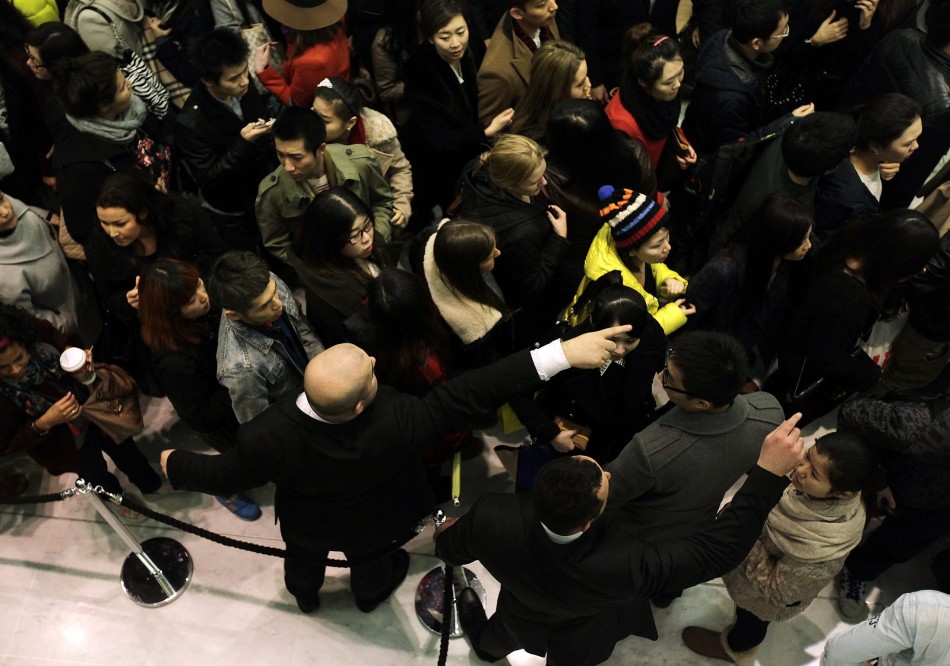
It is curious how modern people will go to almost any length to stay busy and thereby avoid examining unlived life. Contemporary people have an almost insatiable appetite for amusements and addictions – to drugs, food, television, shopping, wealth, power, and all the other diversions of our culture. For many years I believed that our avoidance of soulful engagement is the result of a fear of being overtaken by “uncivilized” qualities from the unconscious. But I have come to understand that we resist our highest potentials even more persistently than we reject our so-called primitive energies. Much of what remains undeveloped in us, psychologically speaking, is excluded because it is too good to bear. We often refuse to accept our most noble traits and instead find a shallow substitute for them. For example…. instead of our god-given right to the ecstatic, we settle for temporary highs from consuming something or possessing someone.

We all have places where we cut ourselves off from potentially exciting and fulfilling experiences due to habit, fear or laziness. A simple way to locate some fo your complexes (which are by definition, unconscious) is to reflect upon the past week and notice what situations disturbed you. Where did you have a run-in with someone? When and how did you procrastinate or avoid something? In what ways did you fail to engage life fully? There are a diverse number of complexes, as many as there are typical situations in life. These clusters of experiential energy are trying to protect you…by drawing on past experiences, but they also limit your freedom and bind you to the past.

Robert A Johnson, Jungian Analyst, Living your Unlived LIfe.
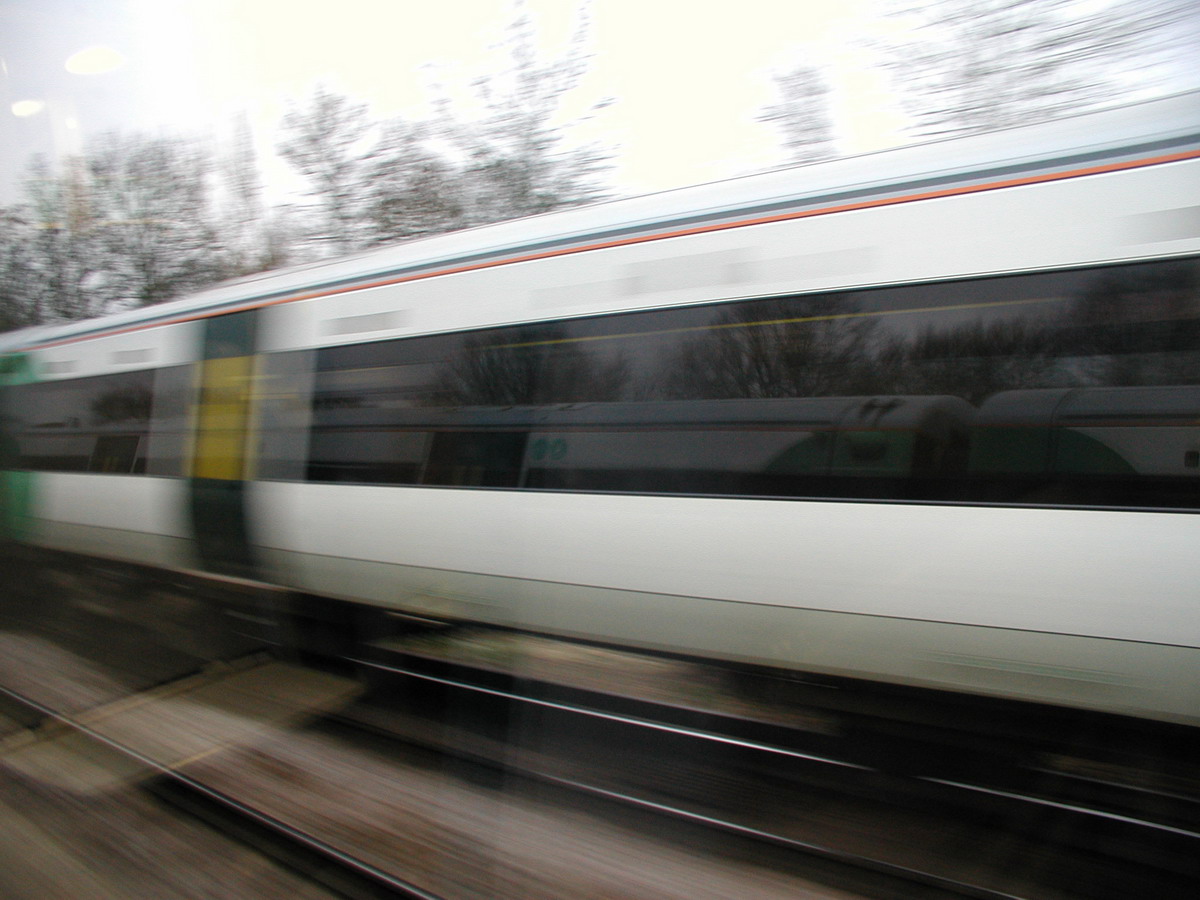
Running on tracks laid down by others

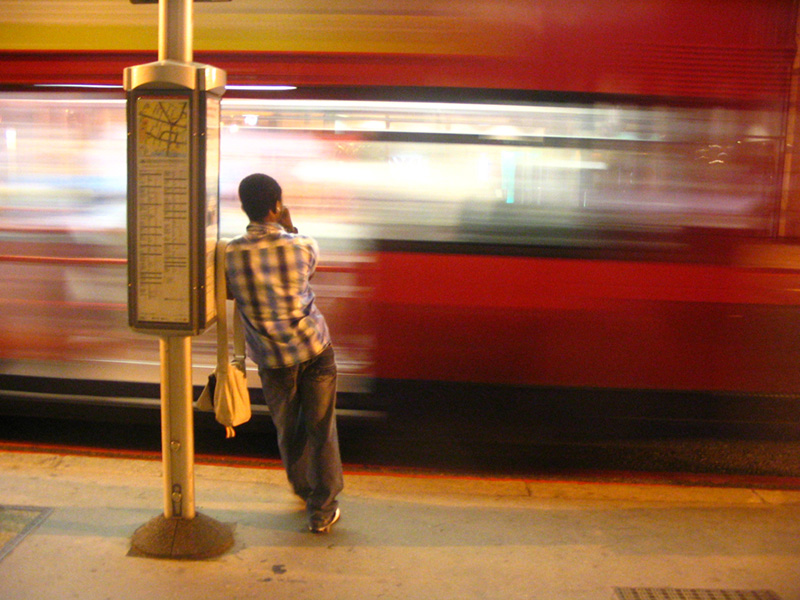
Like a lot of people I know, I struggle with taking too much on, with doing too many things, with moving too fast, with overcommitting, with overplanning. I have learnt that I  must move, quite simply, at the pace of what is real. While this pace may vary, life always seems vacant and diminished when I accelerate beyond my capacity to feel what is before me. It seems we run our lives like, trains, speeding along a track laid down by others, going so fast that what we pass blurs on by. The we say we’ve been there, done that. The truth is that blurring by something is not the same as experiencing it.

So, no matter how many wonderful experiences come my way, no matter the importance placed on these things by others who have my best interests at heart, I must somehow find a way to slow down the train that is me until what I pass by is again seeable, touchable, feel-able. Otherwise I will pass by everything – can put it all on my resume – but will have experienced and lived through nothing.

Mark Nepo, The Book of Awakening

How to get the most from the holidays: Slow down

There are four different kinds of patience: patience in action, in thought, in word, in the manner of feeling. There are two different acts of patience: the first is to stand firm against the activity of another person, the second to stand firm against one’s own activity. Not to resist the activity of another person is an act of patience of the former sort, and to control oneself when one wishes to do or say a certain thing is an act of patience of the latter sort.

The symbol of patience is the cross. The vertical line indicates activity, the horizontal line control. Patience is for the saint and the sage the first lesson and the last. The more one learns to bear the more one has to bear, such is the nature of life. Yet in reality patience is never wasted, patience always wins something great, even when to all appearance it loses….Every faculty has a tendency to act more and more quickly. Every activity starts from a rhythm that is productive, and when the activity is increased the rhythm becomes progressive, and if it is increased still more the rhythm becomes destructive. These three rhythms are called in Sanskrit satva, rajas, and tamas. It is only by control that one can keep the productive and progressive nature; lack of control allows destruction to set in.  When a person walks he wishes to walk faster, when he speaks to speak more quickly. It is the nature of activity to tend to increase its speed, and if this increase is permitted, very soon the destructive element comes about. The stronger this faculty of control becomes in a person the stronger the person becomes, and the more one loses the power of control the weaker one becomes.

Hazrat Inayat Khan, The Wisdom of Sufism: Sacred Readings from the Gathas 

How to get the most from the holidays: Holding who you are

All the Buddhas of all the ages have been telling you a very simple fact:  Be – don’t try to become.

Within these two words, be and becoming, your whole life is contained.

Being is enlightenment, becoming is ignorance.

Osho

Tenderly holding whatever you touch

Tenderness is the language of the body as a mother holds her child, as a nurse touches a patient’s wound, or as an assistant bathes someone with a disability. Recently in a buddhist monastery, I watched a sister as she served us food and tea with great delicacy; it was as if the meal itself was sacred, revealing a presence of God. And so it did, because it was treated so.

Tenderness is the language of the body speaking of respect: the body honours what it touches. It honours reality. It does not act as if reality has to be changed or possessed; reality belongs to humanity and to God. Is not this the way we should relate to all living beings, plants, animals and the earth?

Jean Vanier,  Becoming Human

Sunday Quote: Sitting, without speaking

The whole of practice can be simplified on this day: To be able to sit quietly with where our life is, and be at ease there.

Silence is pure and holy.

It draws people together

because only those who are comfortable with each other

can sit without speaking.

Nicholas Sparks, The Notebook