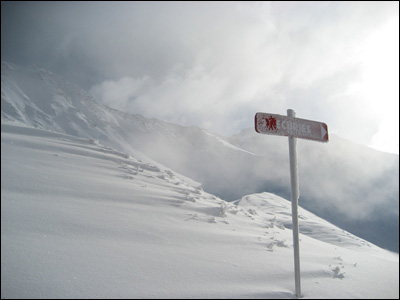
 One thing that we notice very quickly when we practice meditation is that our experience is always changing. Thus practice helps us develop a mental flexibility by keeping us in the present moment, accepting what is present in the body and in our lives. We work with life as it is, without always being able to see the overall picture. Sometimes things become clear only long after the event. We come to see that there is a larger context in which our life is unfolding and accept change as being one of the great realities of life. When we understand the impermanence of things, as the old saying tells us, we cease to struggle.
Why do you want to persecute yourself with the question of where all this is coming from and where it is going? Since you know, after all, that you are in the midst of transitions and you wished for nothing so much as to change.
Rilke, Letters to a Young Poet


 One of the more difficult paradoxes to accept is that this abundance of gifts is always quietly present and that it is we who
  Mindfulbalance