Be still

Why scurry about looking for the truth?
It vibrates in every thing and every not-thing, right off the tip of your nose.

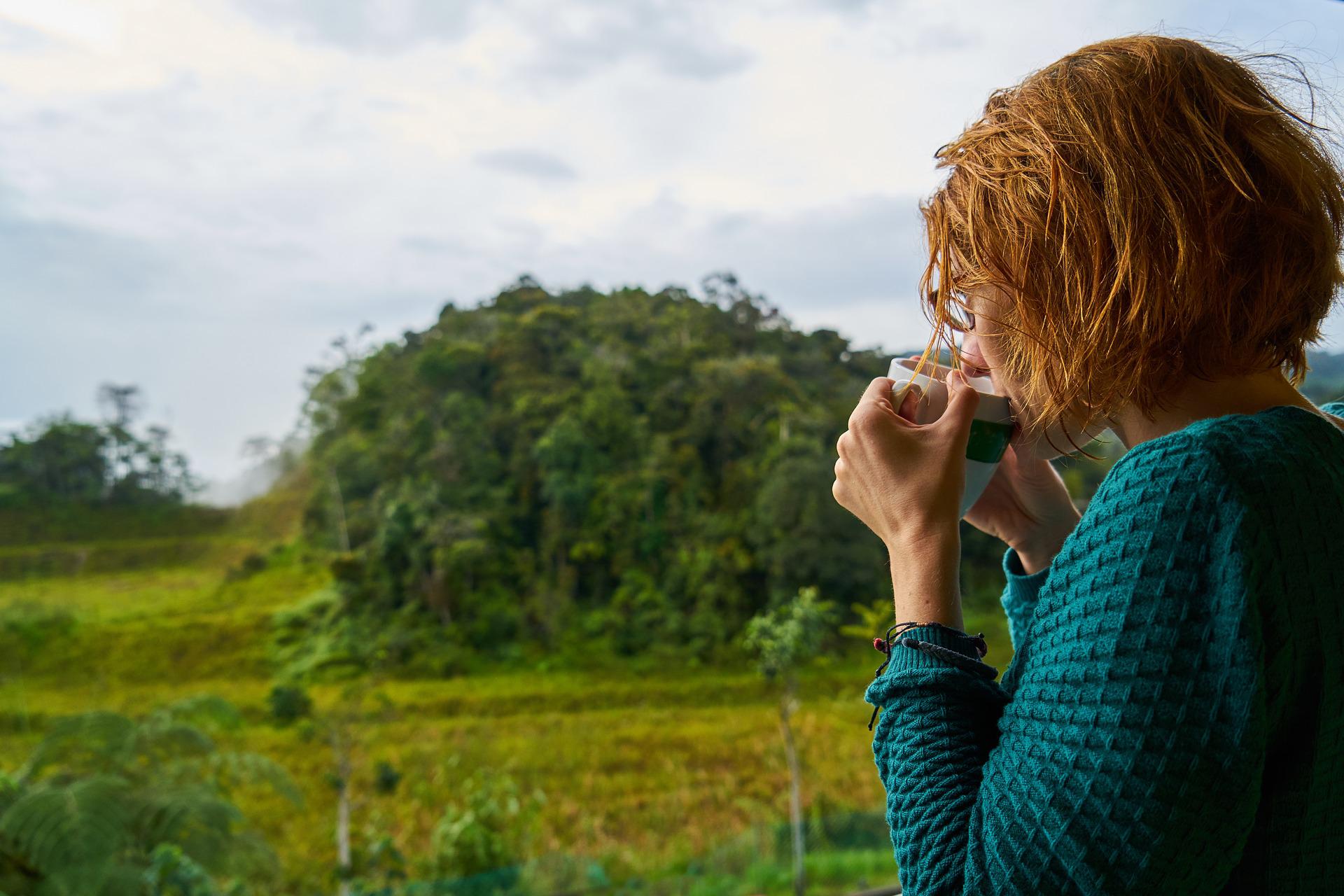
Can you be still and see it in the mountain? the pine tree? yourself?
Don’t imagine that you’ll discover it by accumulating more knowledge.
Knowledge creates doubt, and doubt makes you ravenous for more knowledge.


The wise person dines on something more subtle:
He finds this subtle truth inside his own self,
and becomes completely content.
So who can be still and watch the chess game of the world?
The foolish are always making impulsive moves,
but the wise know that victory and defeat are decided by something more subtle.
They see that something perfect exists before any move is made.


Remain quiet. Discover the harmony in your own being.
Embrace it.
If you can do this, you will gain everything,
and the world will become healthy again.
If you can’t, you will be lost in the shadows forever.

The Huahujing, traditionally attributed to Lao Tzu, translation Brian Walker 
As things are

Tathata, which means “suchness” or “like-this-ness,” is used in Buddhism to mean “reality,” or the way things really are. This poem by Dongshan (807-869) reminds us to work with things as they are in our lives, rather than our thoughts as to how our life should be.

The teaching of thusness has been intimately communicated by buddhas and ancestors.
Now you have it, so keep it well.

Filling a silver bowl with snow,
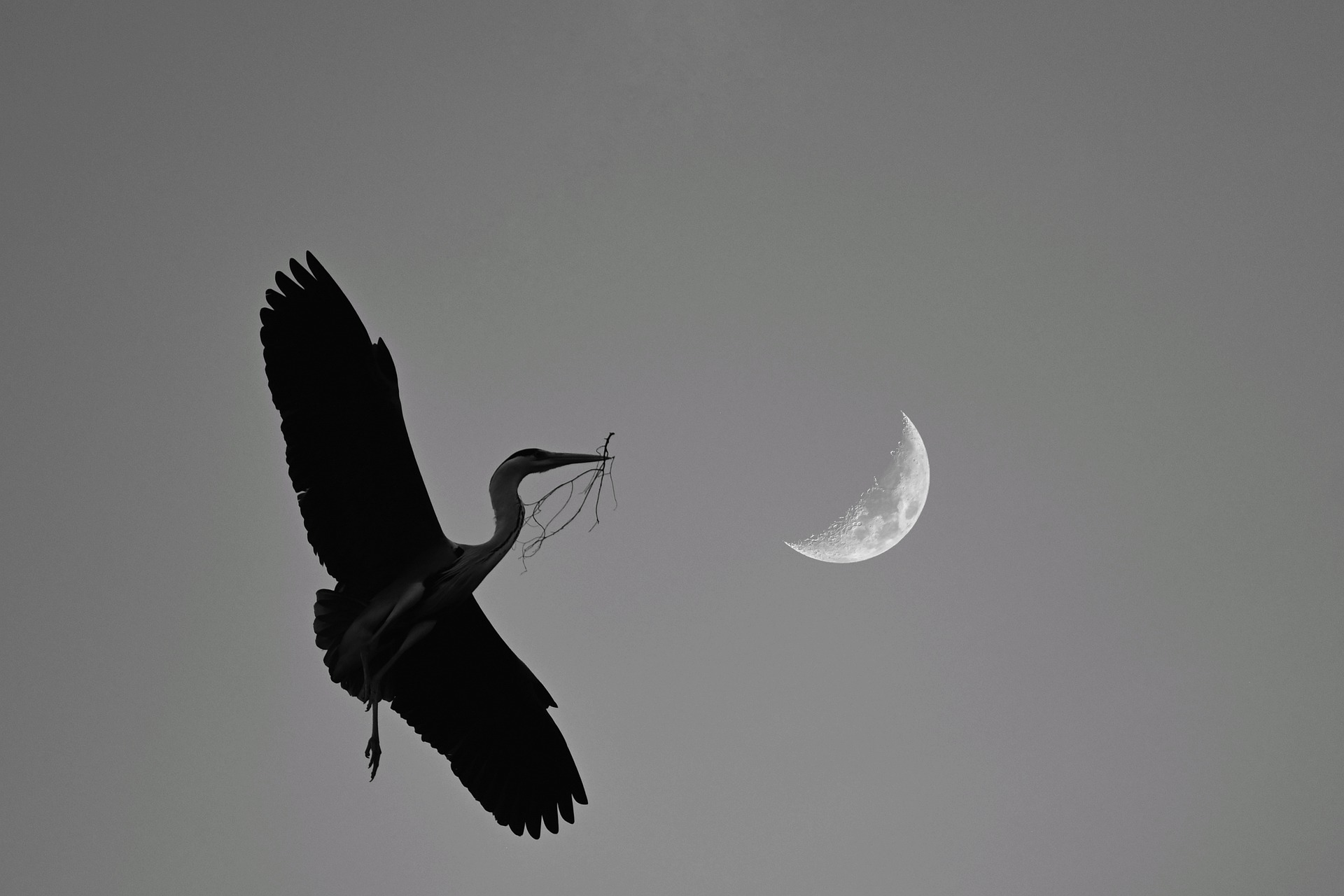
hiding a heron in the moonlight —
Taken as similar they’re not the same;
when you mix them, you know where they are.

It starts with you

Only one of our relationships is truly lifelong, from our first breath to our last. The one we have with ourselves. Imagine if it was characterised by compassion and warmth. By an ability to forgive, to forget our little missteps. Imagine if we could look at ourselves with gentle, kind eyes and view our faults with a sense of humour. Imagine if we could give ourselves the same loving care we give our children or other people we love without reservation. It would do us a world of good. And the divine emotions in us would thrive.

from this nice, heartfelt book which I am just finishing – Bjorn Natthiko Lindeblad, I May be Wrong, and other wisdoms from life as a Forest Monk.

Not the conditions

The mind exists in a state of “not enough” and so is always greedy for more. Boredom means the mind is hungry for more stimulus, more food for thought, and its hunger is not being satisfied. If you can stay bored and restless and observe what it feels like to be bored and restless, you bring awareness to the feeling and there is suddenly some space and stillness around it. So even boredom can teach you who you are and who you are not. You discover that a “bored person” is not who you are.

Boredom is simply a conditioned energy movement within you. Neither are you an angry, sad, or fearful person. Boredom, anger, sadness, or fear are not “yours”, not personal. They are conditions of the human mind. They come and go. Nothing that comes and goes is you. “I am bored.” Who knows this? “I am angry, sad, afraid.” Who knows this? You are the knowing, not the condition that is known.

Eckhart Tolle

Every moment

Recognizing and welcoming what is here in front of us, instead of always waiting for things to be “better” than the situation we are actually in:

The mind and external conditions are just as they are (“such”).

The gate of liberation is open.

Dogen, 1200-1253, founder of the Soto branch of Zen Buddhism, Commentary on the Precepts

Our natural home

The more I remove myself from nature and the more I increase my availability to the modern world, the more restless I become. I am no scientist and realize that I may be mistaken, but my experience is that feelings of insecurity, loneliness and depression to a large extent stem from the flattening of the world that occurs when we are alienated from nature. There is, of course, a lot to be said in favour of man-made environments and new technology, but our eyes, nose, ears, tongue, skin, brain, hands and feet were not created for choosing the road of least resistance.

Mother Nature is 4.54 billion years old, so it seems to me arrogant when we don’t listen to nature and instead blindly place our trust in human invention.

Erlinge Kagge, Philosophy for Polar Explorers