Afflictive mental states begin with self-centeredness, with an increase in the gap between self and others. These states are related to excessive self-importance and self-cherishing associated with fear or resentment towards others, and grasping for outer things as part of a hopeless pursuit of selfish happiness. A selfish pursuit of happiness is a lose-lose situation: you make yourself miserable and make others miserable as well. Inner conflicts are often linked with excessive rumination on the past and anticipation of the future. You are not truly paying attention to the present moment, but are engrossed in your thoughts, going on and on in a vicious circle.
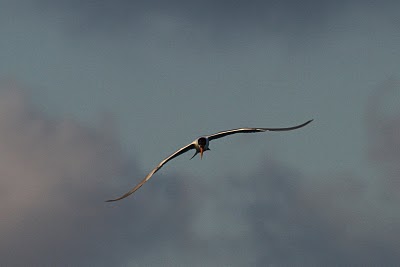
This is the opposite of bare attention. To turn your attention inside means to look at pure awareness itself and dwell without distraction, yet effortlessly, in the present moment. If you cultivate this mental skill, after a while you won’t need to apply contrived efforts anymore. You can deal with mental perturbations like the eagles I see from the window of my hermitage in the Himalayas deal with crows. The crows often attack them, diving at the eagles from above. But, instead of doing all kinds of acrobatics, the eagle simply retracts one wing at the last moment, lets the diving crow pass, and then extends its wing again. The whole thing requires minimal effort and causes little disturbance. Being experienced in dealing with the sudden arising of emotions in the mind works in a similar way.
Matthieu Richard

 My work is loving the world.