 “Make of yourself a light,” said the Buddha, before he died.
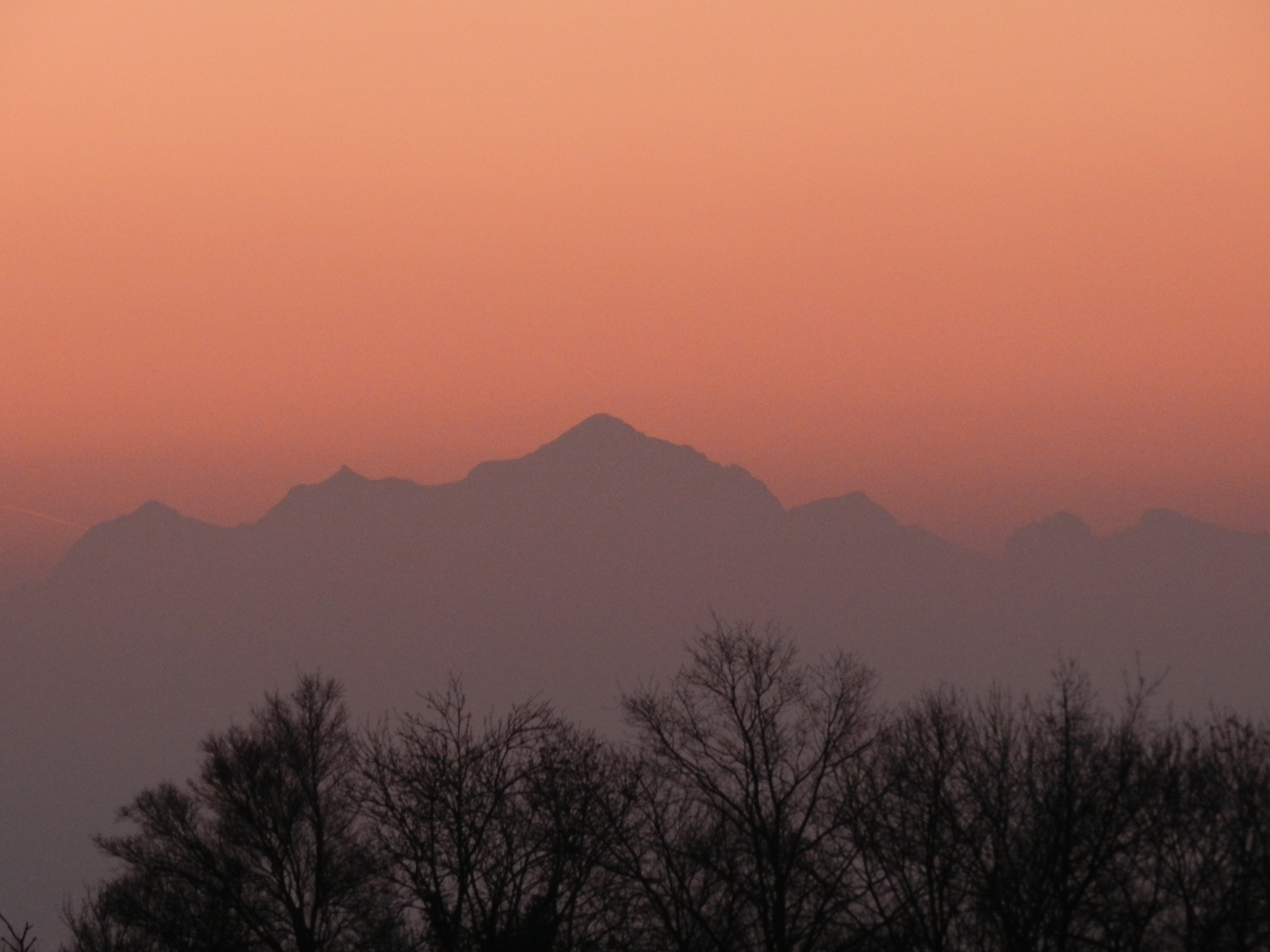
I think of this every morning as the east begins to tear off its many clouds
of darkness, to send up the first signal – a white fan streaked with pink and violet, even green.
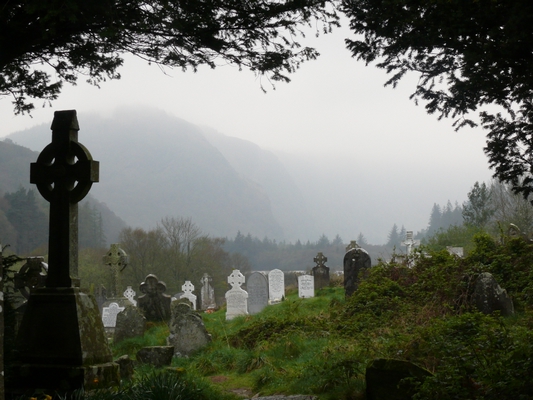
An old man, he lay down between two sala trees,
and he might have said anything, knowing it was his final hour.
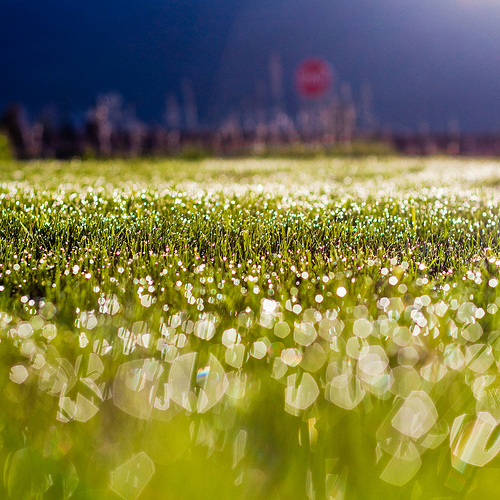
The light burns upward, it thickens and settles over the fields.
Around him, the villagers gathered and stretched forward to listen.
Even before the sun itself hangs, disattached, in the blue air,
I am touched everywhere by its ocean of yellow waves.
No doubt he thought of everything that had happened in his difficult life.
And then I feel the sun itself as it blazes over the hills,
like a million flowers on fire –
clearly I’m not needed,
yet I feel myself turning into something of inexplicable value.
Slowly, beneath the branches, he raised his head.
He looked into the faces of that frightened crowd.
Mary Oliver, The Buddha’s Last Instruction
 We can easily forgive a child who is afraid of the dark;
 Ordinariness is a simple presence in this moment that allows the mystery of life to show itself. When Thoreau warns us to “beware of any activity that requires the purchase of new clothes” he reminds us that simplicity is the way we open to everyday wonder. While consciousness can create a variety of forms, ordinariness is interested in what is here and now. This is the ordinary mystery of breathing or of walking, the mystery of trees on our streets or of loving someone near to us. It is not based on attaining mystical states or extraordinary powers. It does not seek to become something special, but is emptying, listening.