
We are what we think. All that we are arises with our thoughts.
With our thoughts we make the world.
Jack Kornfield
We are what we think. All that we are arises with our thoughts.
With our thoughts we make the world.
Jack Kornfield
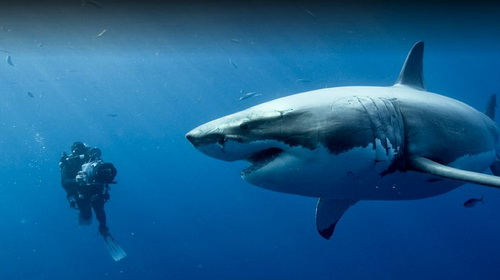 In mindfulness meditation we learn to be present for things as they are. In doing so, it can be useful to assume the attitude of a naturalist. A naturalist simply observes nature without interfering or imposing his or her views. If a wolf eats a deer, a naturalist watches without judgment. If a plant produces a stunningly beautiful blossom, a naturalist leaves it alone, not succumbing to the desire to take it home.
In meditation, we observe ourselves much as a naturalist observes nature: without repressing, denying, grasping, or defending anything. This means that we observe our life with a non-interfering presence. We can see anger, depression, fear, happiness, joy, pain, and pleasure directly, as they are, without complications. The naturalist’s perspective is one of respect for what is observed. The word “re-spect” is a nice synonym for mindfulness practice because it literally means to look again.
By cultivating a naturalist’s perspective during meditation, it is possible to develop a capacity to be non-reactive. For this non-reactive perspective, we can more easily explore how to respond wisely to whatever circumstances we find ourselves in.
Gil Fronsdal

When you listen to a thought, you are aware not only of the thought but also of yourself as the witness of the thought.
Eckhart Tolle, The Power of Being
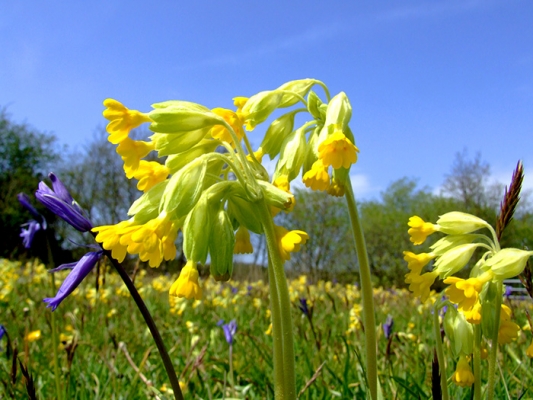
If my happiness at this moment consists largely in reviewing happy memories and expectations, I am but dimly aware of this present. I shall still be dimly aware of the present when the good things that I have been expecting come to pass. For I shall have formed a habit of looking behind and ahead, making it difficult for me to attend to the here and now. If, then , my awareness of the past and future makes me less aware of the present, I must begin to wonder whether I am actually living in the real world.
Alan Watts

The past is a memory… Remembering is a condition that arises and ceases. It has no core or substance. When you explore memories, you stop believing in them so strongly, and you no longer live in their world, assuming all kinds of things from just remembering. “Panna” in this sense is being aware of the way it is, rather than holding views, opinions and emotional reactions to memories. Or applying this to people : Where is that person right now? They are just a memory that arises. In the reality of this moment, what we remember of them is a condition of the mind that arises and ceases in the present. This way of reflecting helps us break down the illusion that people are permanently what we think.
Ajahn Sumedho
 Good practice is about fear. Fear takes the form of constantly thinking, speculating, analyzing, fantasizing. With all that activity we create a cloud to keep ourselves safe in make-believe practice. True practice is not safe; it’s anything but safe. But we don’t like that, so we obsess with our feverish efforts to achieve our version of the personal dream. Such obsessive practice is itself just another cloud between ourselves and reality. The only thing that matters is seeing with an impersonal spotlight: seeing things as they really are. When the personal barrier drops away, why do we have to call it anything? We just live our lives.
Charlotte Joko Beck

