
Peace is within oneself – to be found in the same place as agitation and suffering.
It is not found in a forest or on a hilltop, but within
Ajahn Chah
Peace is within oneself – to be found in the same place as agitation and suffering.
It is not found in a forest or on a hilltop, but within
Ajahn Chah

Do not become annoyed when faced with difficulties.
To do so merely adds difficulty to difficulty and further disturbs your mind.
By maintaining a mind of peace and non-opposition, difficulties will naturally fall away
Master Sheng-Yen

So many glimpses of heaven are in front of us each day, but we do not notice.
What do I know?
But this: it is heaven itself to take what is given,
to see what is plain; what the sun lights up willingly;
for example – I think this
as I reach down, not to pick but merely to touch —
the suitability of the field for the daisies, and the
daisies for the field.
Mary Oliver, Daisies
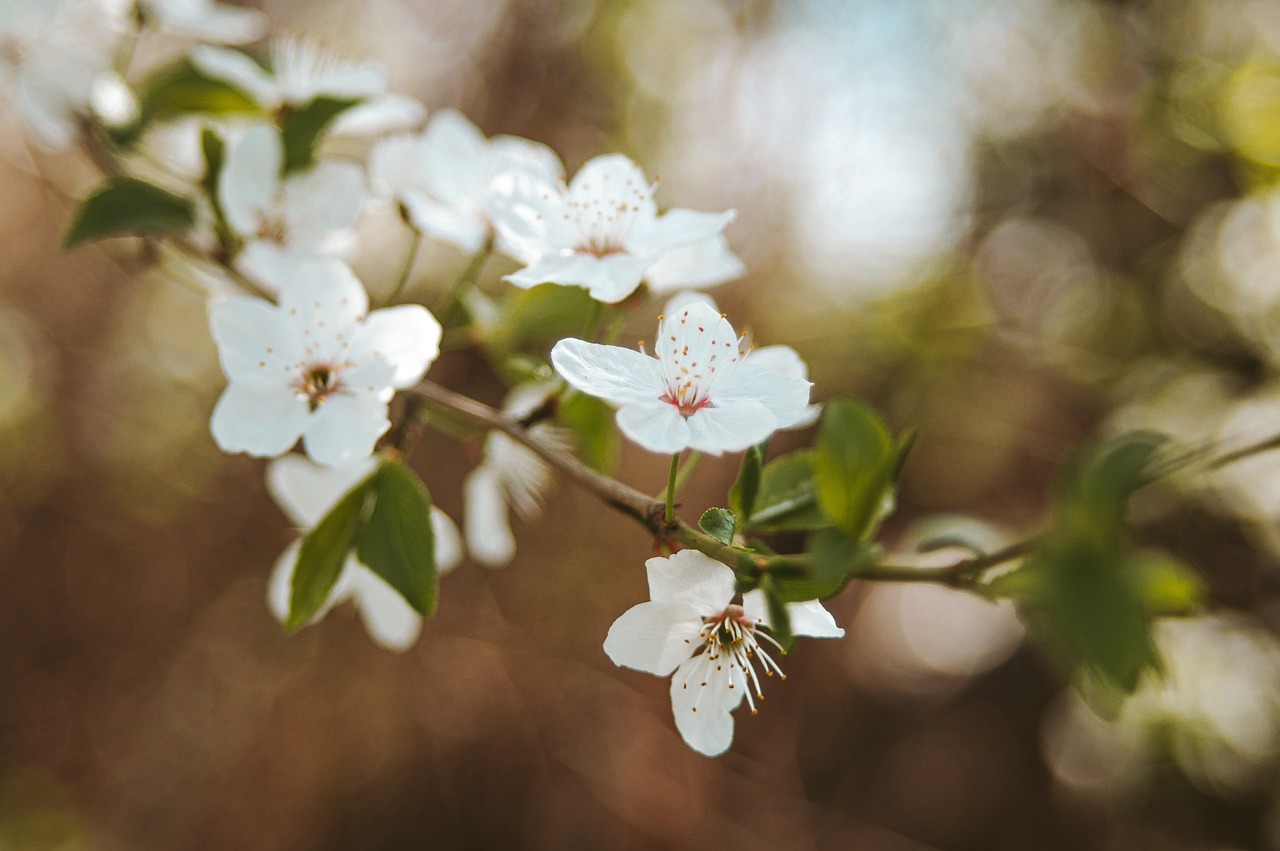
What carries us into living freedom
is not the holding of attention
so much as the holding of appreciation
Adyashanti

In these days of political and economic turmoil, fuelled by fear and disrespect, we need to learn from those who have faced similar times and touch into a space within.
The sky within me
is as wide as the one stretching above my head
Etty Hillesum, 1914 – 1943, deported by the Nazi regime to Auschwitz and killed there

We cling to our history with tenacity precisely because to think of ourselves in other ways is either intimidating or unimaginable. But the human psyche imagines more
The problem with complexes is that they have no imagination. They can only say over and over the phenomenological message of their origins.
But the psyche has a much larger perspective on our lives. It imagines much more for us than the ordinary ego can comprehend. …Just as we periodically clean the house, go through old clothes and discard the no longer germane, so we have to go through our accumulated histories, our driving attitudes, reflexes and responses and discard what is no longer useful, productive, relevant or serving growth.
James Hollis, Living an Examined Life: Wisdom for the second Half of the Journey

