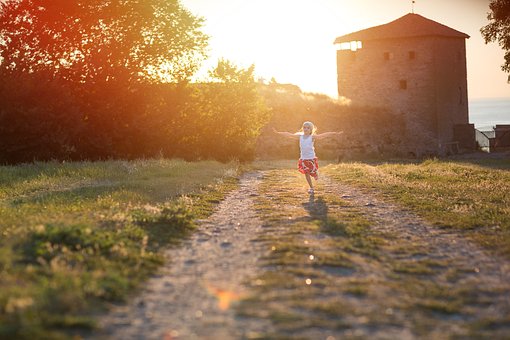
I don’t want to get to the end of my life
and find that I have lived just the length of it.
I want to have lived the width of it as well.
Diane Ackerman, 1948, American poet, essayist, and naturalist
I don’t want to get to the end of my life
and find that I have lived just the length of it.
I want to have lived the width of it as well.
Diane Ackerman, 1948, American poet, essayist, and naturalist
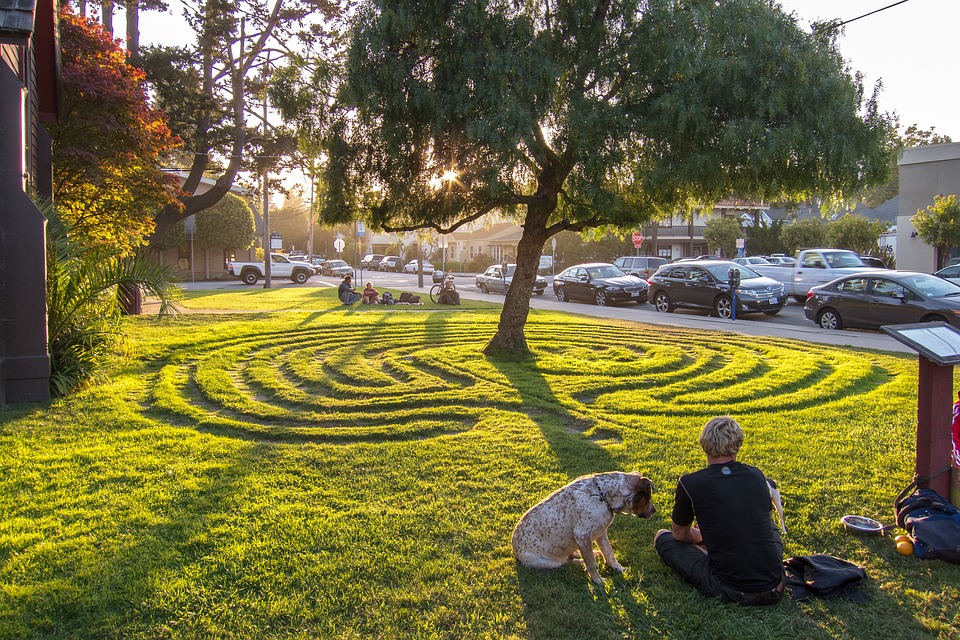
The world is sacred.
It can’t be improved.
If you tamper with it, you’ll ruin it.
If you treat it like an object, you’ll lose it.
There is a time for being ahead,
a time for being behind;
a time for being in motion,
a time for being at rest;
a time for being vigorous,
a time for being exhausted;
a time for being safe,
a time for being in danger.
The Master sees things as they are,
without trying to control them.
She lets them go their own way,
and resides at the center of the circle.
Lao Tzu, Tao Te Ching, 29 (Stephen Mitchell translation)
The first noble truth says simply that it’s part of being human to feel discomfort. We don’t even have to call it suffering anymore; we don’t even have to call it discomfort. It’s simply coming to know the fieriness of fire, the wildness of wind, the turbulence of water, the upheaval of earth, as well as the warmth of fire, the coolness and smoothness of water, the gentleness of the breezes, and the goodness, solidness, and dependability of the earth. Nothing in its essence is one way or the other. The first noble truth also recognizes that we change like the weather, we ebb and flow like the tides, we wax and wane like the moon. We do that and there’s no reason to resist it
Pema Chodron, Awakening Loving-Kindness

Be serene in the oneness of things
and erroneous views
will disappear by themselves.
Seng T’san, died 606 AD. Third Zen Patriarch, Hsin Hsin Ming
Only our searching for happiness
prevents us from seeing it.
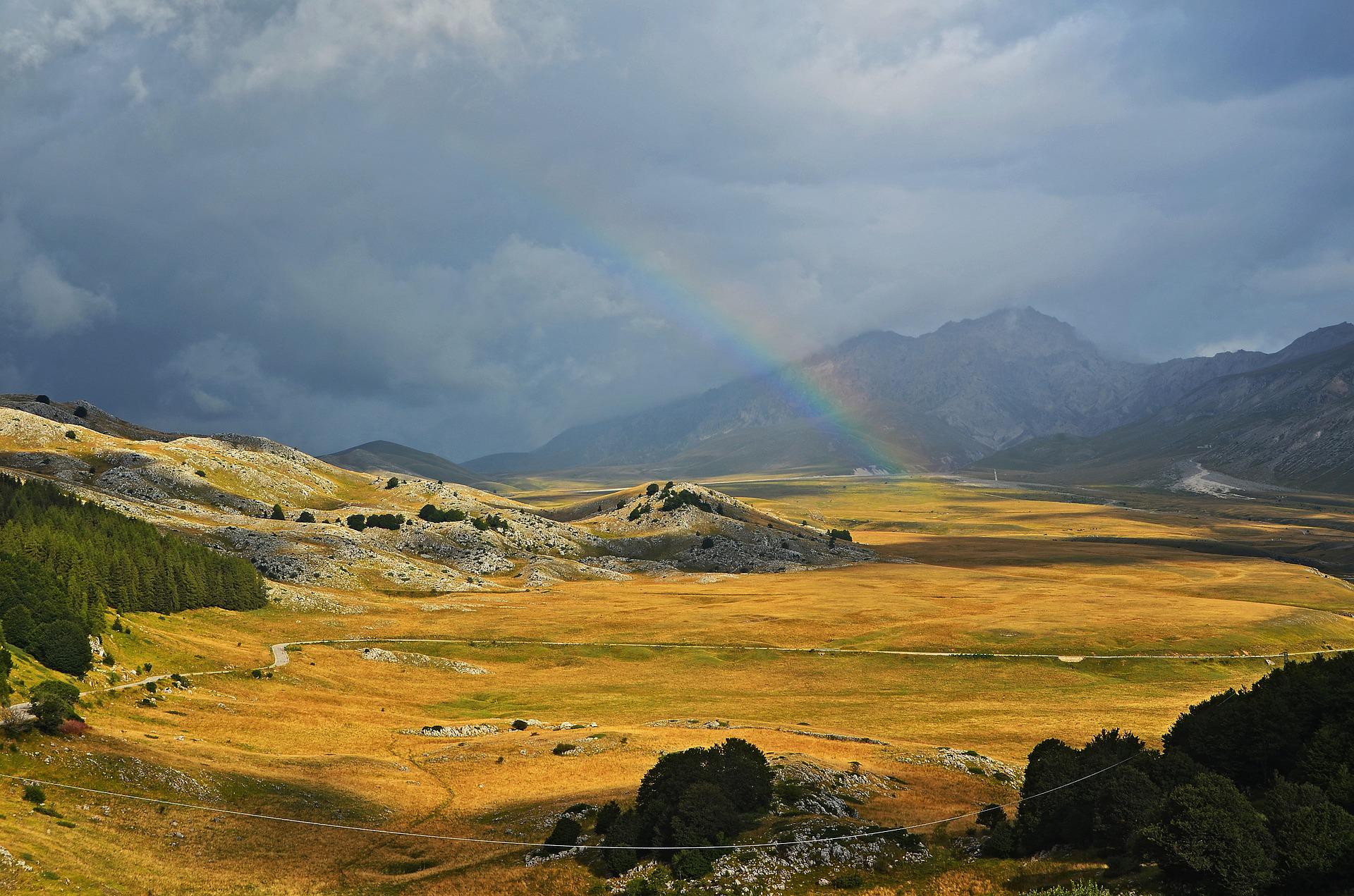
It’s like a vivid rainbow which you pursue
without ever catching,
or a dog chasing its own tail.
Although peace and happiness
do not exist as an actual thing or place,
it is always available and accompanies you every instant.
Don’t believe in the reality of good and bad experiences;
they are like today’s ephemeral weather,
like rainbows in the sky.
Wanting to grasp the ungraspable,
you exhaust yourself in vain.
As soon as you open and relax
this tight fist of grasping,
infinite space is there –
open, inviting and comfortable.
Make use of this spaciousness,
this freedom and natural ease.
Don’t search any further
looking for the great awakened elephant,
who is already resting quietly at home
in front of your own hearth.
from a ‘vajra poem’ by Lama Gendun Rinpoche, 1918-1997, Tibetan Buddhist teacher

Life is so full of mystery, answers are so few, I do not trust them. I prefer unanswered questions. At the end of the answers there is usually a person who enjoys the power of appearing to know.
I have come to like things that are left unfinished. Its the question that shines the light, that seeks. The answer’s often just a dim reflection of the vastness of the question. There are no answers that satisfy. This is a small life and everything comes to nothing at the end. I like that. I like the idea of smallness and the wonder of basic human things.
from the lovely little book, Marc Hamer, A Life in Nature, or how to catch a mole

