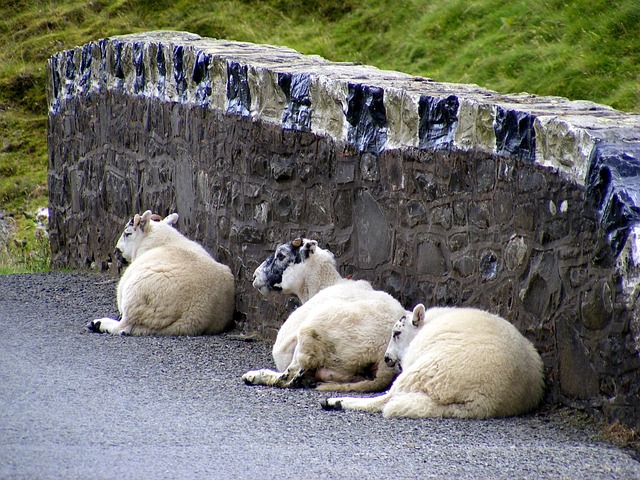
A time to be slow

Very cold weather here this past week.

This is the time to be slow,
Lie low to the wall
Until the bitter weather passes.

Try, as best you can, not to let
The wire brush of doubt
Scrape from your heart
All sense of yourself
And your hesitant light.

If you remain generous,
Time will come good;
And you will find your feet
Again on fresh pastures of promise,
Where the air will be kind
And blushed with beginning.

John O’Donohue, from Beannacht, Book of Blessings
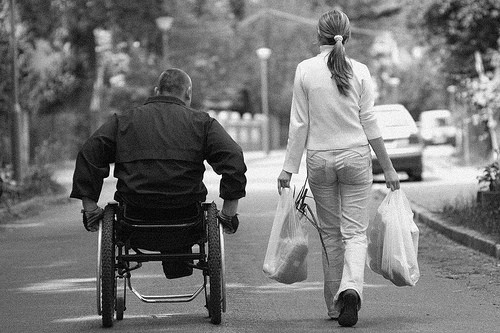
Just what’s in front of you

We must also remember that it is not our responsibility to fix all the brokenness of the world — only to fix what we can. Otherwise we become grandiose, as if we were put here to be the savior of the humanity around us.

Mindfulness and compassion are genuinely undertaken one step at a time, one person, one moment.

Jack Kornfield

Fabrications

If we take our vulnerable shell to be our true identity, if we think our mask is our true face, we will protect it with fabrications even at the cost of violating our own truth.

This seems to be the collective endeavor of society: the more busily we dedicate ourselves to it, the more certainly it becomes a collective illusion, until in the end we have the enormous, obsessive, uncontrollable dynamic of fabrications designed to protect mere fictitious identities – “selves”, that is to say, regarded as objects. Selves that can stand back and see themselves having fun (an illusion which reassures them they are real).

Thomas Merton, Raids on the Unspeakable

Becoming an observer

There is only one thing that all twelve stages [of the Four Noble Truths] have in common — they all present a highly subjective experience without mention of self. They are all expressed as: “There is; it is to be; it has been.”

The unenlightened perspective surely is: “I am; I should; I have…” If I was a mathematician, I could probably draw up an equation based upon these data which concludes: “I am” = “unenlightenment.”

The description of the practice of the Four Noble Truths does not suggest a process of becoming enlightened. It seems that a particular viewpoint is sustained, and understanding arises through it. The viewpoint is a focus upon dukkha [suffering/ stress] in an objective, dispassionate way. …This leads to a most powerful insight because it reveals that dukkha is structured, created and not absolute, and therefore possible to be dismantled or not created.

Ajahn Sucitto, The Dawn of the Dhamma

in motion

What the Buddha said is that you are a verb, not a noun. What you’re doing is what is real, not who’s doing it.

Buddha said this is the basic mistake we all make and is why we suffer.

For example, only walking is real, not the walker or the path. And, the more attached you are to yourself – “you” being a thing – the more trouble you get into. 

Mas Kodani, Jodo Shinshu Buddhist teacher

Sunday Quote: Built on Time

In his
eternal search for truth, the
poet is alone.

He tries to be timeless in a
society built on time.

Jack Kerouac, Lines Written